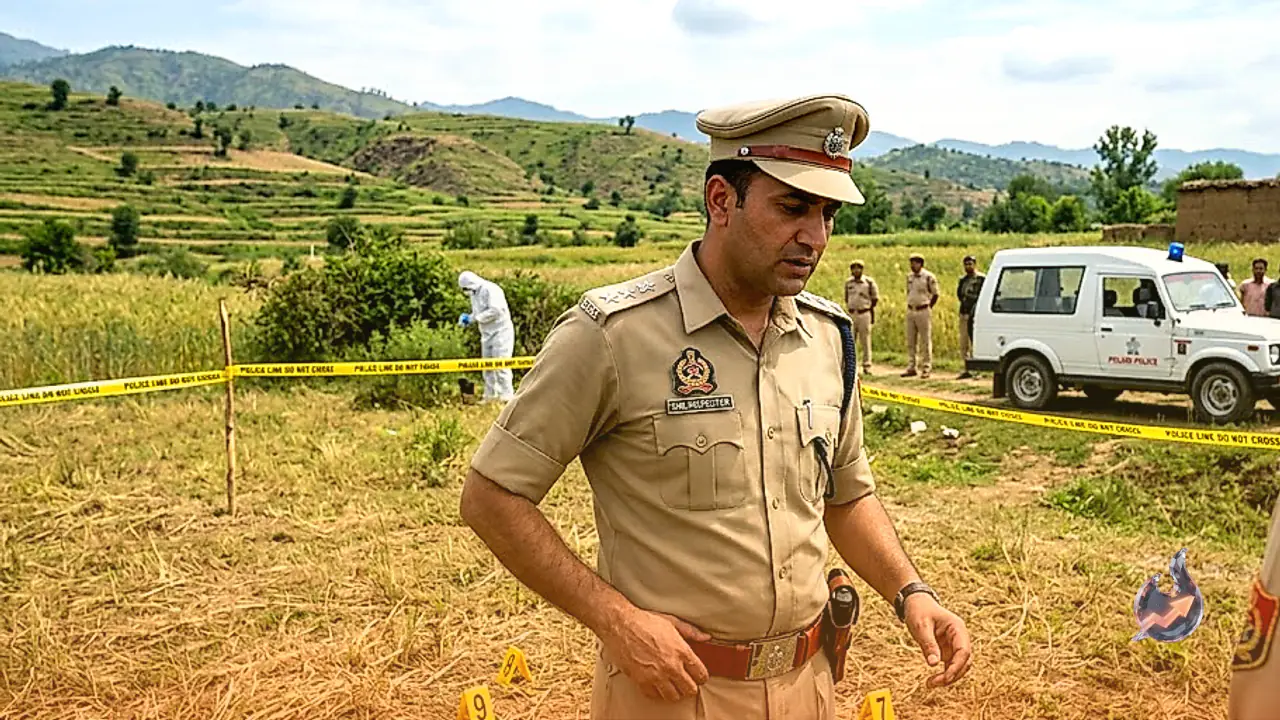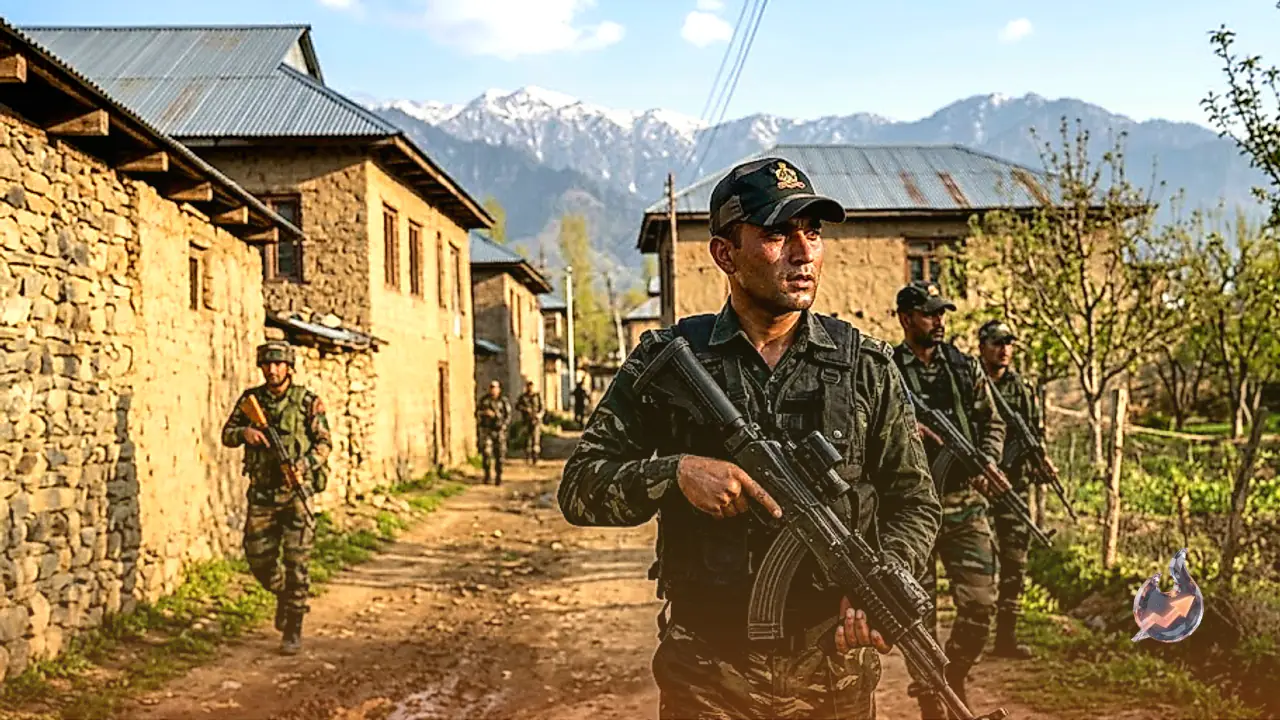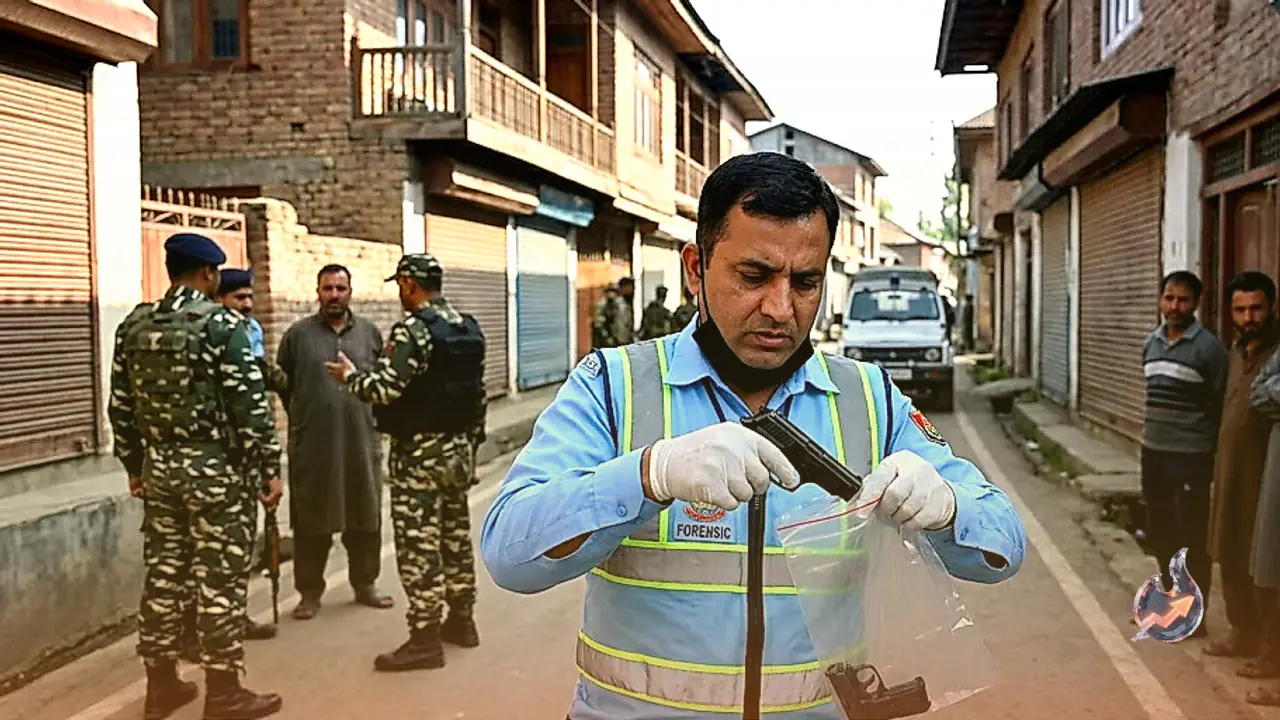
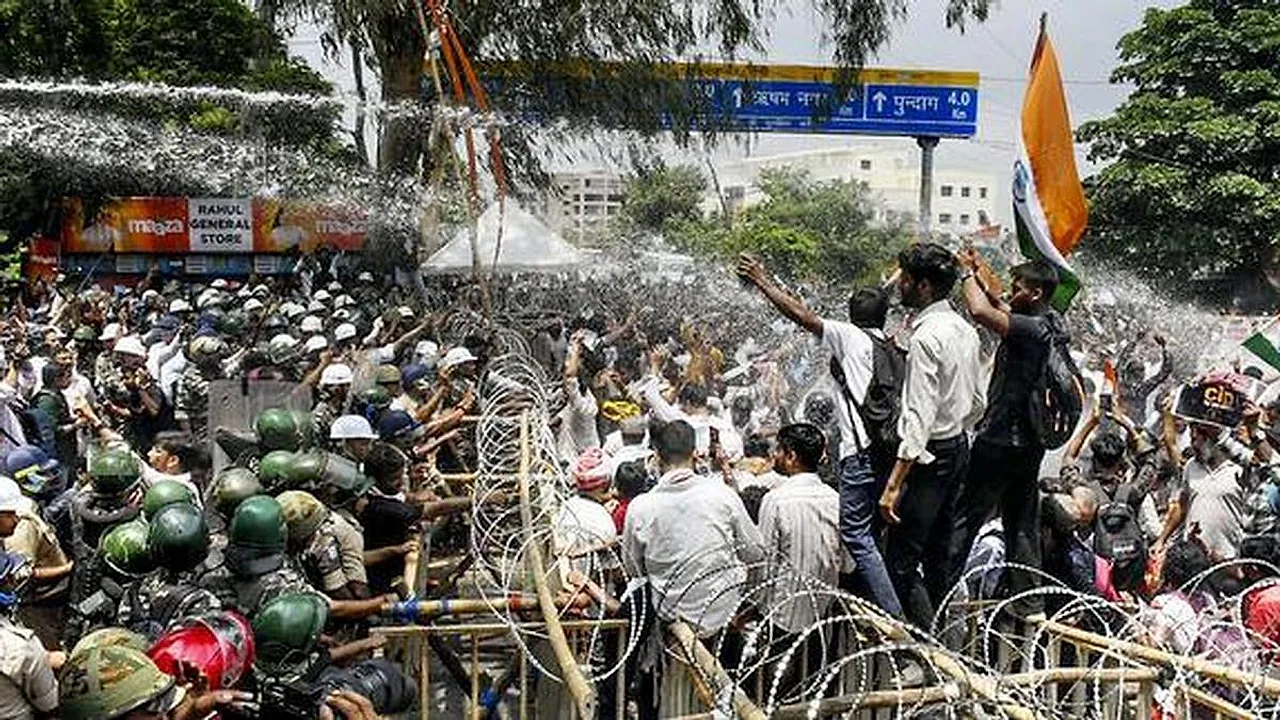

















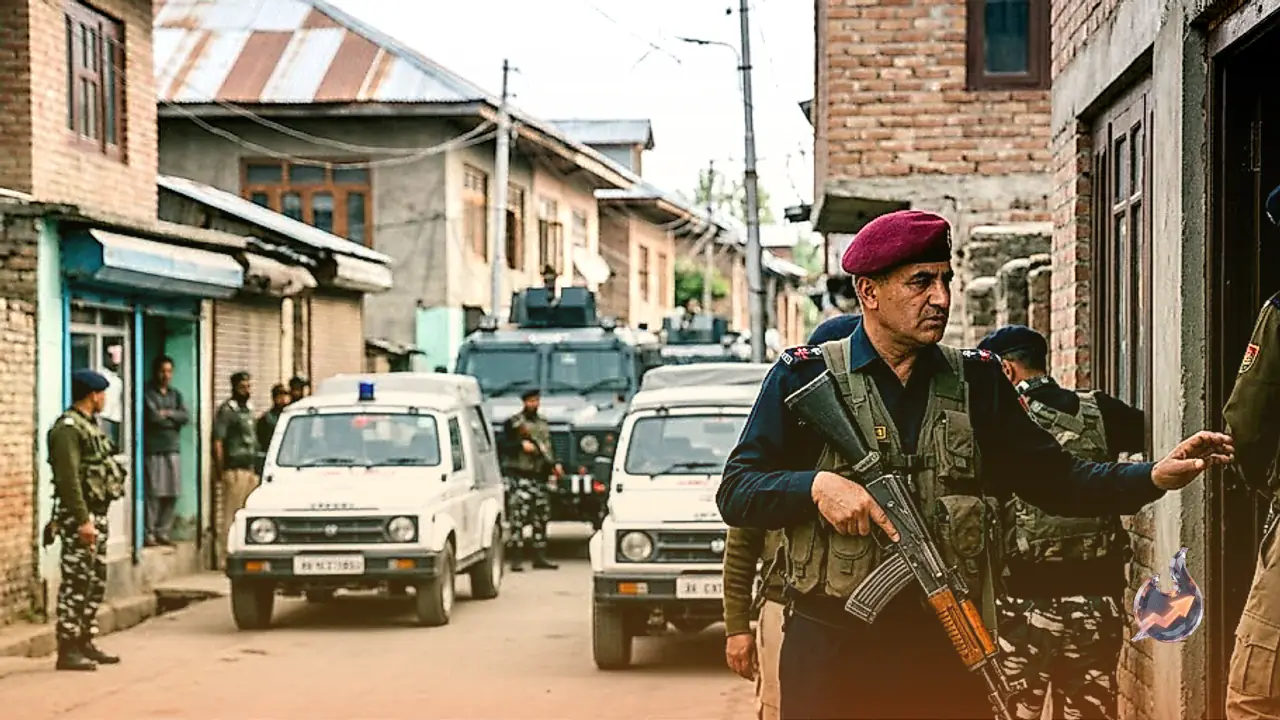

Jammu and Kashmir Police launched a major coordinated crackdown on Sunday, carrying out search operations at 26 separate locations across Sopore in connection with an ongoing anti-terror investigation. Executed under the stringent provisions of the Unlawful Activities (Prevention) Act, commonly known as UAPA, the multi-location raids were aimed at crippling the clandestine operational structure of the banned Jamaat-e-Islami (JeI) and recovering crucial evidentiary material linked to terror networks.
Background of the Ban and Government Stand
Jamaat-e-Islami stands designated as an unlawful association by the Ministry of Home Affairs (MHA) due to its sustained involvement in activities prejudicial to national sovereignty and territorial integrity. The Central Government originally imposed a blanket ban on the outfit following the tragic Pulwama terror attack in 2019, highlighting its role in fostering extremism and supporting separatist agendas. Recognizing the persistent threat posed by the cadre and its affiliated networks, the MHA further extended the prohibition for an additional period of five years in February 2024. Security authorities maintain that the organization continues to undermine regional security by covertly encouraging secessionist ideologies.
Historical Roots and Ideological Reach
The origins of Jamaat-e-Islami in Jammu and Kashmir trace back to the 1950s, when it emerged as an independent entity heavily influenced by the Islamic teachings of Syed Abul A'la Maududi. Over the decades, the group established a deep presence throughout the valley by building an extensive infrastructure of private schools and social welfare programs. While these institutions operated under the guise of community development, they were systematically utilized to propagate a hardline religious ideology. Politically, the entity has consistently framed Kashmir as a disputed territory. Maulana Saaduddin Tarabali formally established the organization in 1953 and served as its leader until 1985. During its early phase, JeI engaged in the democratic electoral process, a stance that dissolved with the onset of armed separatist violence in the 1990s.
Key Figures, Fractional Shifts, and Mainstream Offshoots
Among the most prominent and polarizing figures associated with Jamaat-e-Islami was Syed Ali Shah Geelani. Prior to the explosion of militant violence in the region, Geelani contested elections to the Jammu and Kashmir Legislative Assembly on eight occasions, securing victory three times while losing five. As the hardline face of the group, Geelani eventually broke away from the parent body to establish Tehreek-e-Hurriyat, adhering strictly to a pro-Pakistan position until his death in 2021. In recent times, the organizational landscape has experienced further shifts, including the emergence of the Justice and Development Front (JDF, J&K). Formed by former JeI activists, this splinter faction publicly announced its intention to operate within the constitutional framework of India.