



















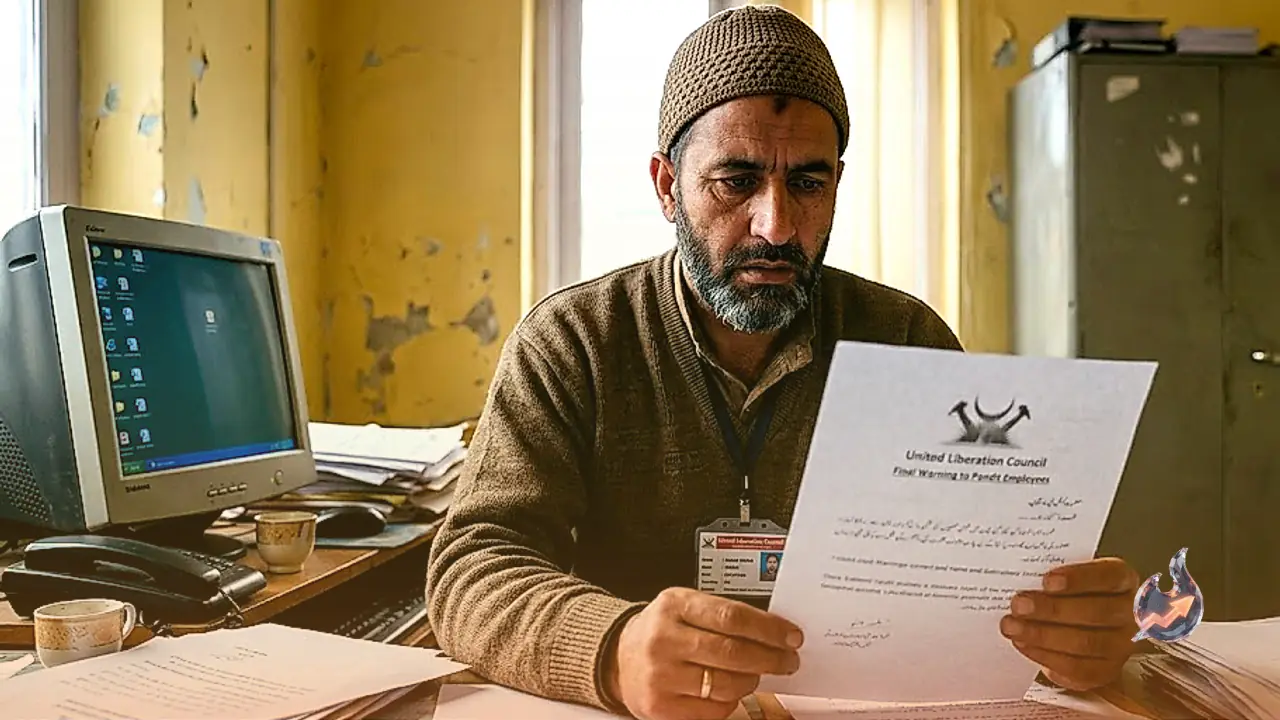

A severe security warning has been issued targeting Kashmiri Pandit government employees deployed across the Kashmir valley. A fresh threat letter circulating on social media platforms from an organization calling itself the United Liberation Council has explicitly warned these workers of dire consequences. Indian security agencies identify the United Liberation Council as a digital proxy front operating on behalf of the Pakistan-based terror group Lashkar-e-Taiba. The latest communique focuses on Kashmiri Pandit staff members who recently organized protests demanding secure housing and heightened protection in the region. This incident marks the fifth such threatening letter released over the past two months, heightening anxiety among state employees.
Claims and Directives in the Proxy Terror Communique
The terror note circulating online is dated around September 10, 2026, and carries the signature of "Ahmad Bilal, Media Coordinator, Soldier of Resistance." Opening with the traditional greeting "Assalamu Alaikum," the document adopts an aggressive stance against the protesting staff, describing them as "white-collar terrorist migrant Pandits." The letter explicitly rejects their demands for designated colonies and secure transit accommodation, characterizing these requests as a calculated strategy to establish a separate enclave or "state within a state."
Furthermore, the statement alleges that these housing initiatives are part of a deliberate campaign by the Indian government. It claims that the objective is to generate a false sense of vulnerability among Hindus residing alongside local Kashmiris, thereby providing security forces with grounds for unhindered actions against the local population. Drawing a parallel, the group compares the government initiative to an "Israeli settlement model," asserting that the rehabilitation of migrant Pandits and the issuance of domicile certificates are mechanisms designed to alter the demographic composition of the territory.
Doxxing of Personal Details, Addresses, and Photographs
The communique accuses the employees of relying on a victimhood narrative since the 1990s while allegedly assisting central authorities in implementing policy objectives across the region. The group claims to possess extensive details regarding the workers, including their exact living quarters, family connections, contact information, and daily routines, asserting an ability to launch strikes at will. The letter sets a limited timeframe for employees to issue an apology to local residents and reflect on their standing, warning that neither the Ministry of Home Affairs nor the central administration in Delhi will be able to protect them, even making threats against cremation sites.
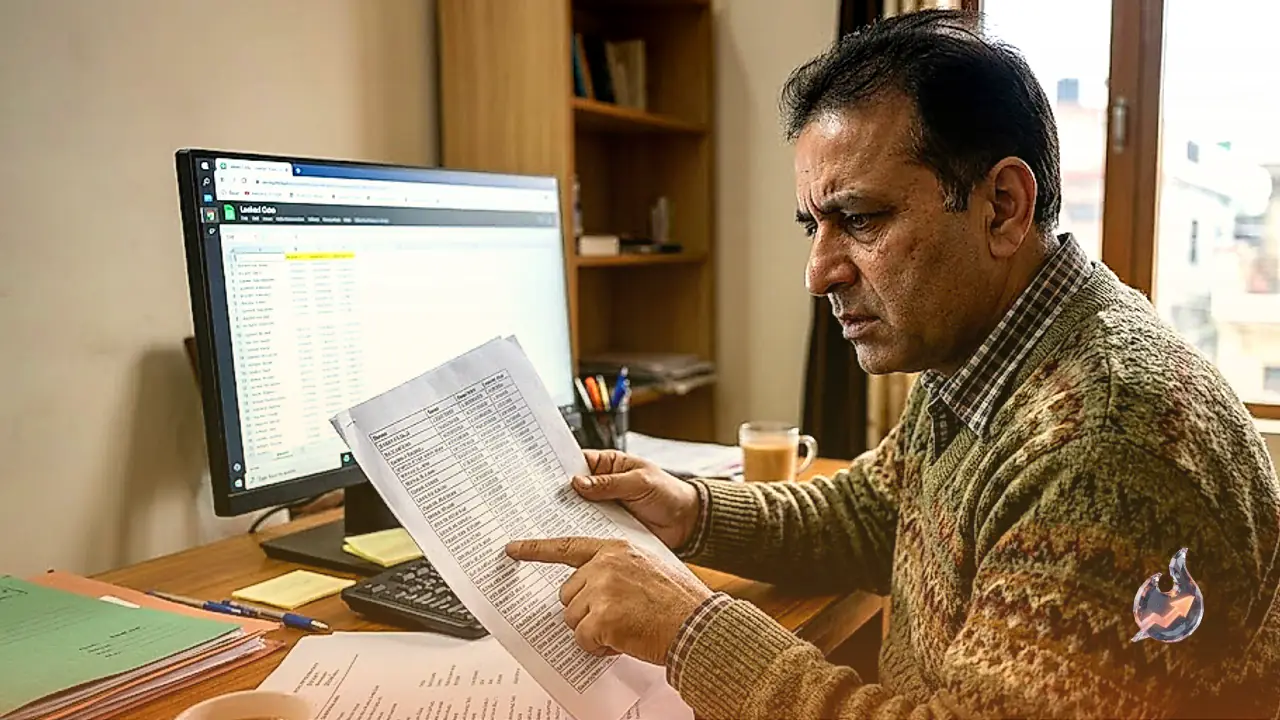
Security analysts have noted a troubling escalation in the specificity of the intelligence shared in these letters over the last two months. Four previously issued documents had already published detailed personal data belonging to Kashmiri Pandit personnel in crucial government sectors such as the Revenue and Transport departments. These publications exposed full names, mobile numbers, precise street addresses in both Jammu and Srinagar, and vehicle registration numbers. The latest letter has escalated matters further by leaking photographs of the employees, signaling the potential involvement of local informants. The message concludes with a warning of lethal outcomes should workers continue their duties under the Prime Minister's special employment and rehabilitation package.
Employee Protests at Srinagar Press Enclave
This wave of intimidation coincides with public demonstrations led by Kashmiri Pandit personnel who relocated to the valley under the Prime Minister's employment package. Many of these employees currently reside in private rented accommodation across various districts and report feeling increasingly vulnerable due to targeted threats. Gathering at the Press Enclave in Srinagar, the workers appealed to the administration for the immediate allocation and fast-tracked completion of secure transit housing complexes.
To underline their demands, the protesting staff members established a deadline of September 30 for administrative action. They warned that failure to meet this timeframe would compel them to initiate broader agitation, including sit-in demonstrations and hunger strikes. Additionally, the workers urged the cyber crime unit of the police to register formal cases against those responsible for leaking their personal information online, while requesting immediate enhancement of security arrangements at their workplaces, residential quarters, and transit routes.
Political Reactions and Ongoing Investigations
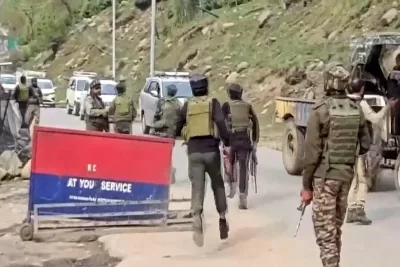
Government authorities and security agencies view these persistent communications as part of a coordinated campaign of terrorism and psychological warfare. Officials emphasize that the underlying objective of these threats is to disrupt the rehabilitation of Kashmiri Pandits, impede demographic normalization, and prevent their integration into the social and administrative fabric of the Kashmir valley. In response, security protocols surrounding minority employees and designated housing sites have been intensified across all districts.
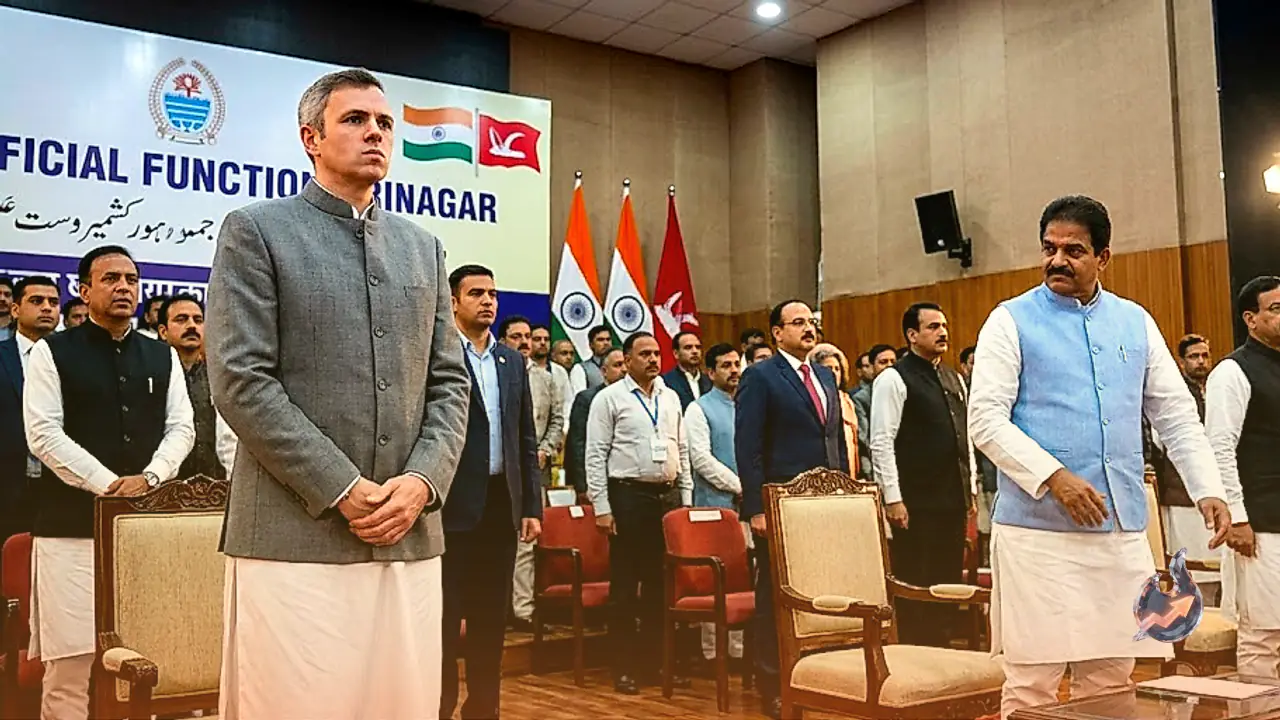
Concurrently, the issue has generated political commentary within Jammu and Kashmir. Certain local political figures, including representatives from the ruling National Conference, have raised questions regarding the precise timing and authenticity of these letters. Some leaders suggested that the emergence of these threats might be linked to ongoing political discussions regarding the restoration of statehood to Jammu and Kashmir. Nevertheless, counter-terrorism and cyber units continue to trace the digital trails of the United Liberation Council to identify cross-border handlers and uncover local accomplices responsible for compiling confidential personnel data.