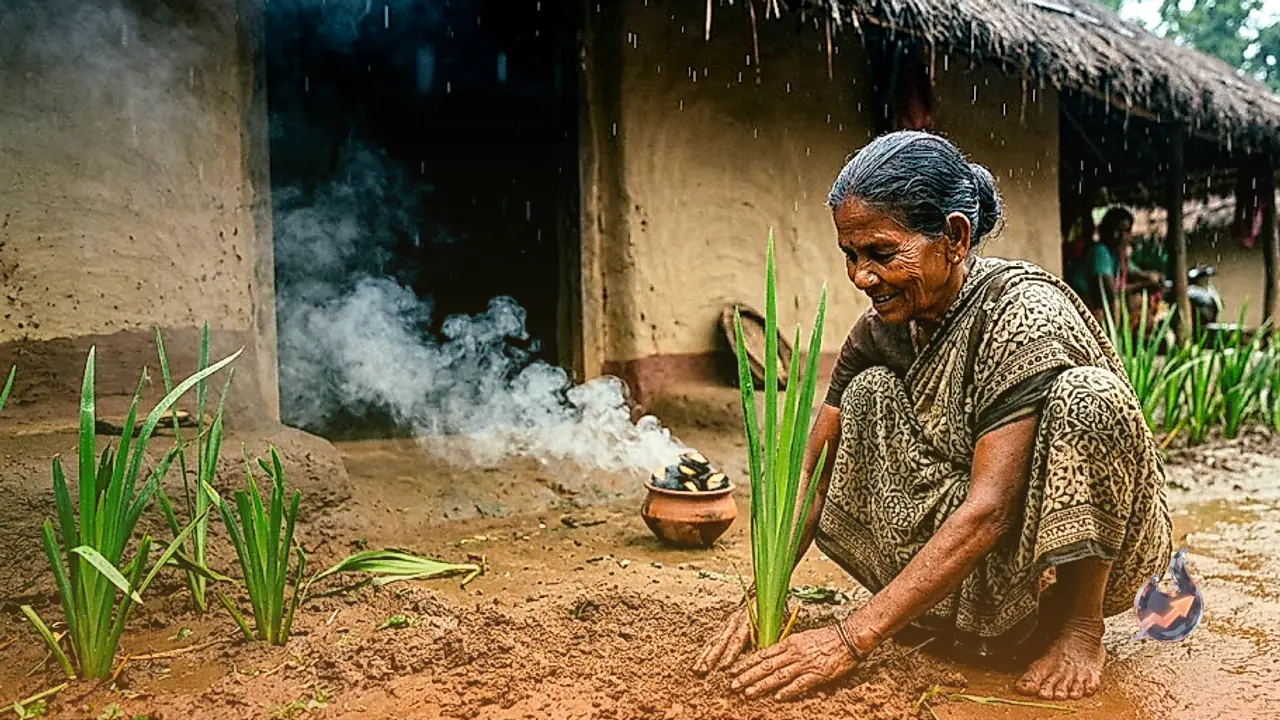





















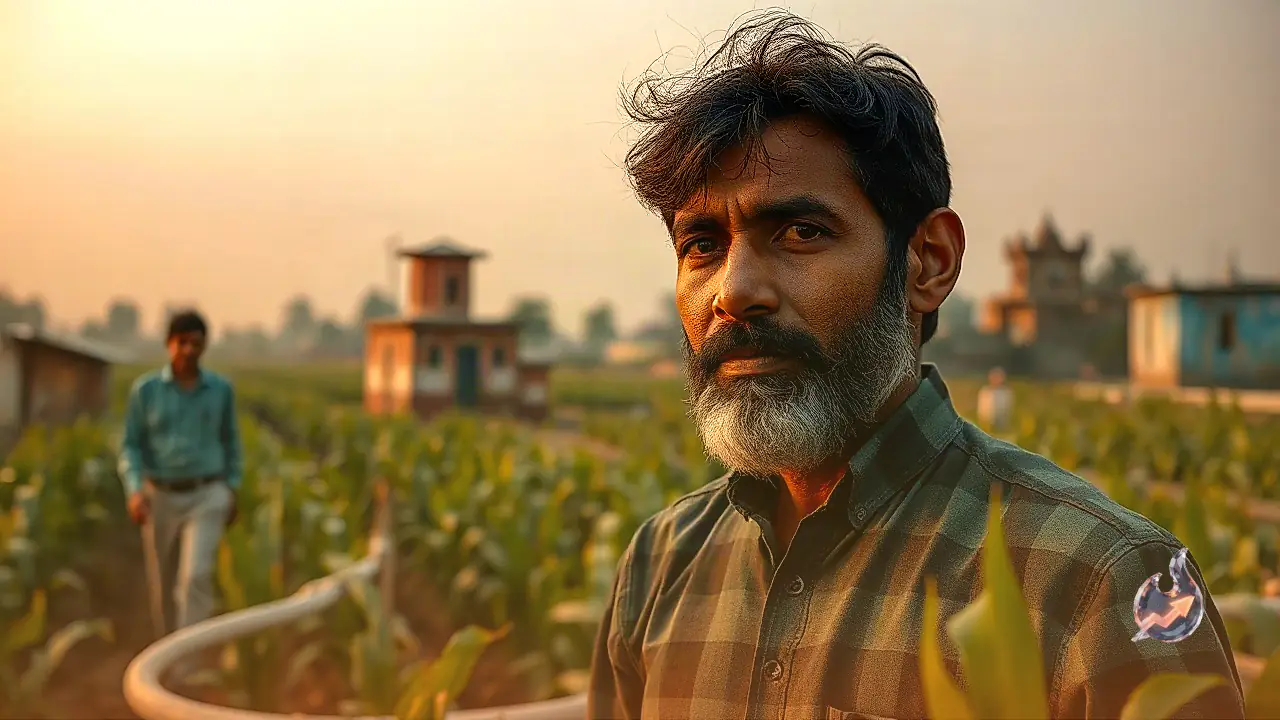

In Jharkhand's Bokaro district, Trilochan Koeri now earns close to Rs 1 lakh a year from sugarcane farming, and the spark for his farming journey did not come from any traditional training but from videos he watched on YouTube. He says his interest in farming grew purely from those videos, after which he decided to try his hand at cultivation himself.
From vegetables to sugarcane
Koeri began his farming journey around five years ago by growing vegetables. Through consistent hard work and by experimenting with different methods, he started earning a decent income from vegetable farming. That experience and confidence encouraged him to add sugarcane to his fields, and he now grows sugarcane alongside his vegetable crops.
Why sugarcane works for him
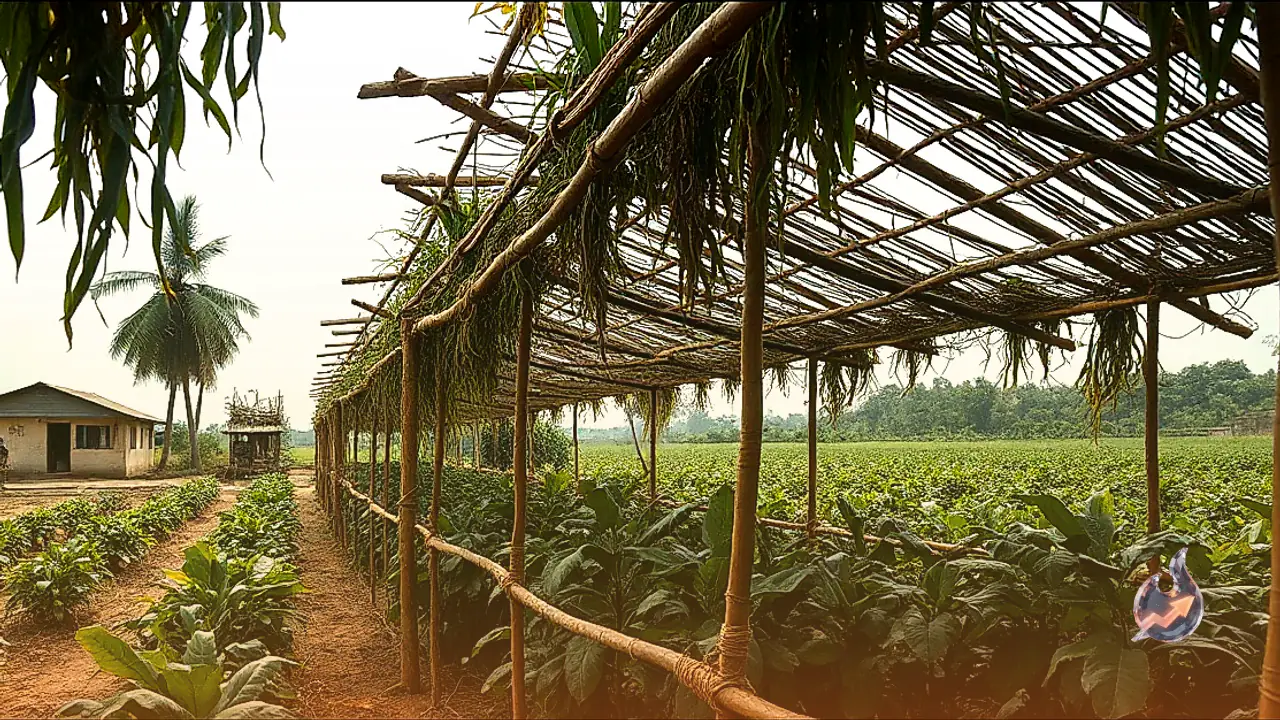
According to Koeri, sugarcane is a longer duration crop, but demand for it in the market remains steady, so selling the produce is rarely a problem. He has also found that sugarcane faces fewer pest and disease attacks compared to several other crops, which cuts down on extra spending on pesticides and care. On average, a sugarcane crop takes anywhere between 6 and 10 months to be ready for harvest.
Why he sowed in March
This time, Koeri sowed his sugarcane crop in the month of March. He explains that sowing at this time gives the crop favourable weather right from the early stage, helping the plants grow well and improving the chances of a good yield later.
The cost and profit math on one acre
Koeri says cultivating sugarcane on one acre of land costs around Rs 40,000. That investment typically produces about 350 quintals of sugarcane. If the market price comes to Rs 400 per quintal, selling 350 quintals can bring in a gross income of roughly Rs 1.40 lakh. After subtracting the Rs 40,000 cost, a farmer is left with a net profit of close to Rs 1 lakh. Koeri is also quick to point out that actual earnings can go up or down depending on the market price, the amount produced, and the cost of cultivation in a given season.
His advice on irrigation and drainage
Koeri advises farmers to pay close attention to both irrigation and drainage while growing sugarcane. Watering the crop on time, as per its needs, is important, but water standing in the field can damage the sugarcane crop. He says that during rain or excess irrigation, there should be a proper arrangement to drain out the extra water from the field. Getting irrigation management and drainage right, he believes, is what helps farmers achieve a good sugarcane yield.