





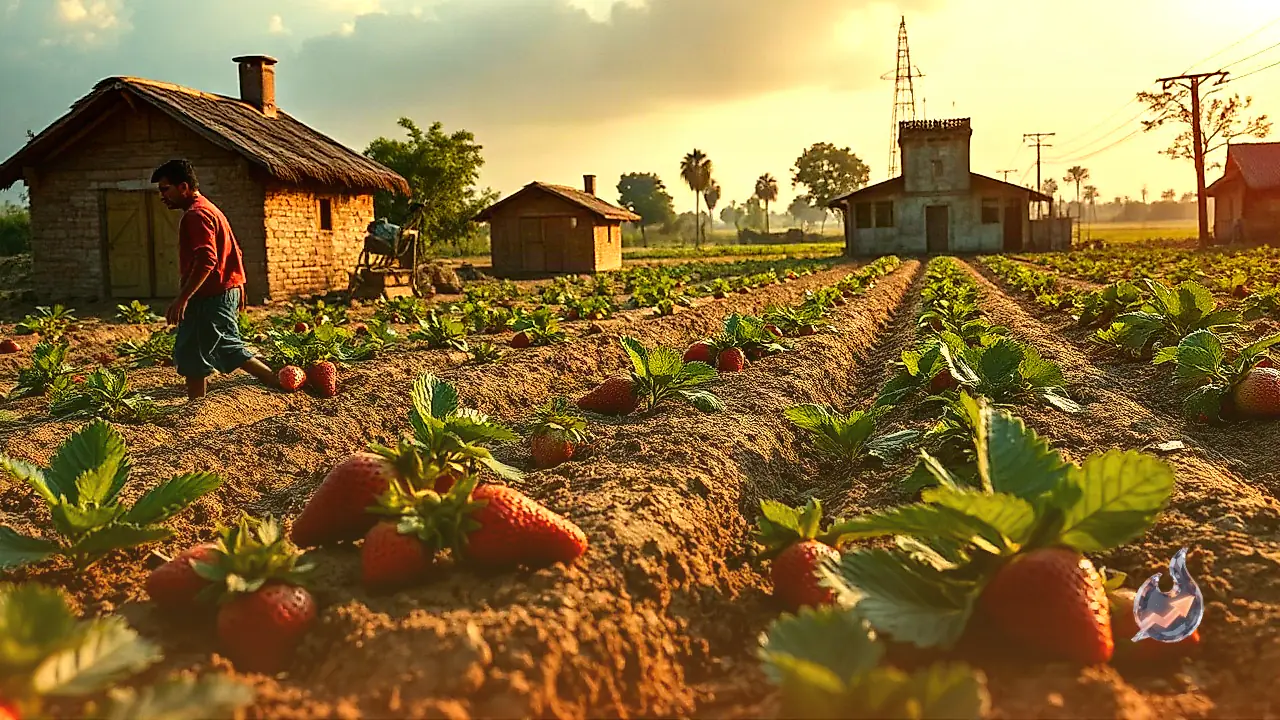

















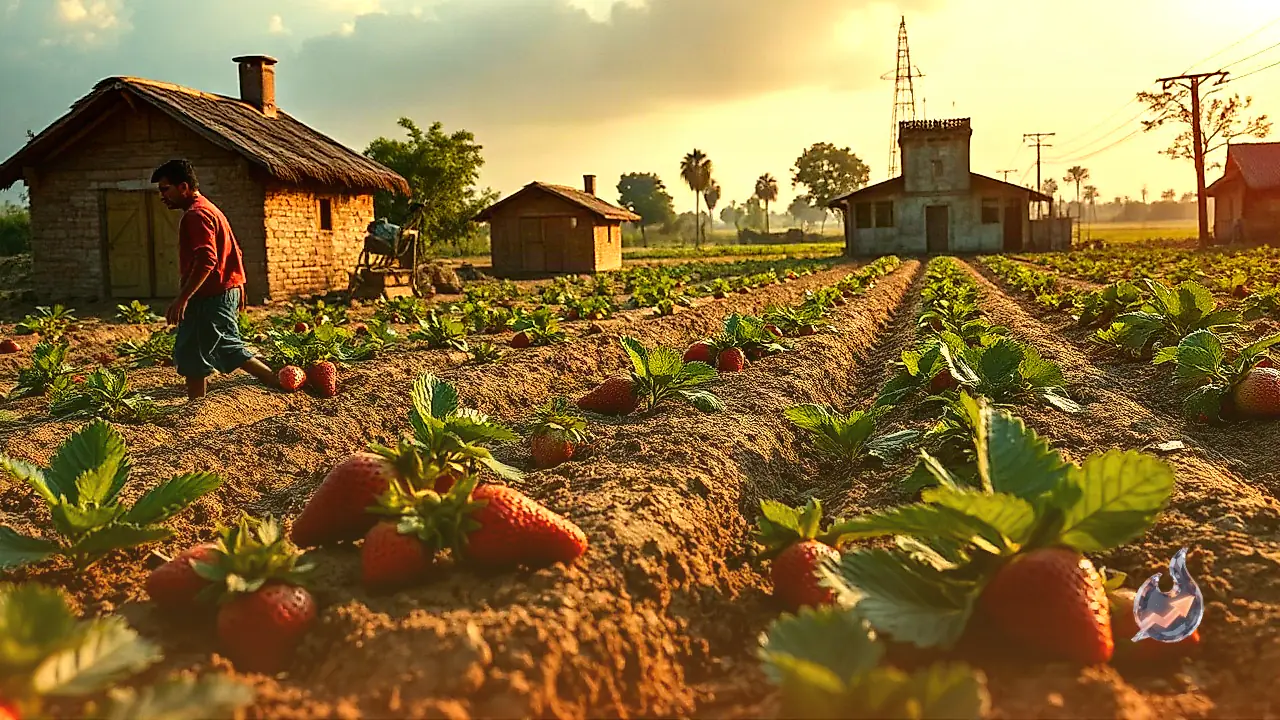

In the drought-prone district of Palamu in Jharkhand, farmers facing regular weather uncertainties are increasingly turning to cash crop strawberry farming as a lucrative alternative. With traditional crops often suffering due to erratic climate patterns, strawberries offer high returns in a relatively short period. Agricultural experts point out that by using scientific farming methods and proper timing, cultivators can generate income ranging from Rs 3 to 4 lakh per acre. Strawberry cultivation is gaining traction across several blocks in Palamu, supported by convenient local markets that ensure hassle-free sales.
Tissue Culture Plants and Ridge Bed Techniques
To achieve optimum yield, agricultural scientist Dr. Pramod Kumar emphasizes using tissue culture plants raised in specialized laboratories. Rather than planting these delicate saplings directly onto flat fields, farmers are advised to construct raised ridge beds.
The recommended ridge beds should measure between 2 and 2.5 feet in width with a height of around 25 centimeters. This raised design helps root systems absorb water and essential nutrients more efficiently while preventing waterlogging, which is critical for protecting strawberry plants from root rot. Utilizing drip irrigation alongside ridge beds ensures precise moisture delivery while significantly conserving water resources.
Soil pH Testing and Sandy Loam Requirements
Before commencing cultivation, conducting a soil pH test is vital to assess land suitability. Strawberries thrive best in slightly acidic soil with a pH level strictly between 5 and 6.5. If the soil is excessively acidic or alkaline, it hinders plant growth and reduces fruit yield, making preliminary soil testing and corrective soil treatment essential.
Sandy loam soil with excellent drainage infrastructure is ideal for strawberry cultivation. Standing water poses a major hazard to the root system, so setting up an effective drainage system before planting is crucial.
Optimal Planting Schedule and Crop Duration Until March
October plays a crucial role in the seasonal calendar for strawberry farming in Palamu. Experts advise completing the planting process by October 15 to allow the crop maximum exposure to favorable weather conditions. While late planting is possible, adhering to the mid-October deadline ensures superior crop development.
The harvest period typically lasts until March. As temperatures begin rising rapidly in Palamu after March, the heat negatively impacts plant health and fruit production, bringing the harvesting cycle to an end. Managing the planting timeline efficiently is key to maximizing profits.