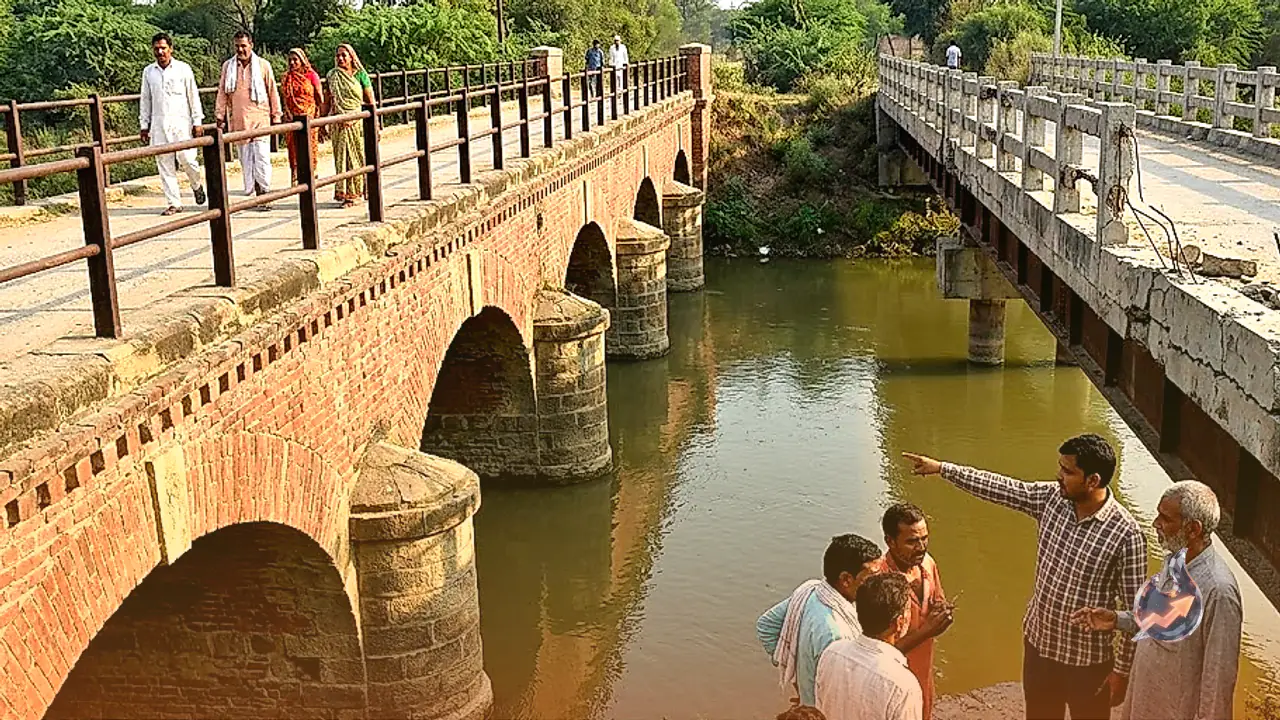


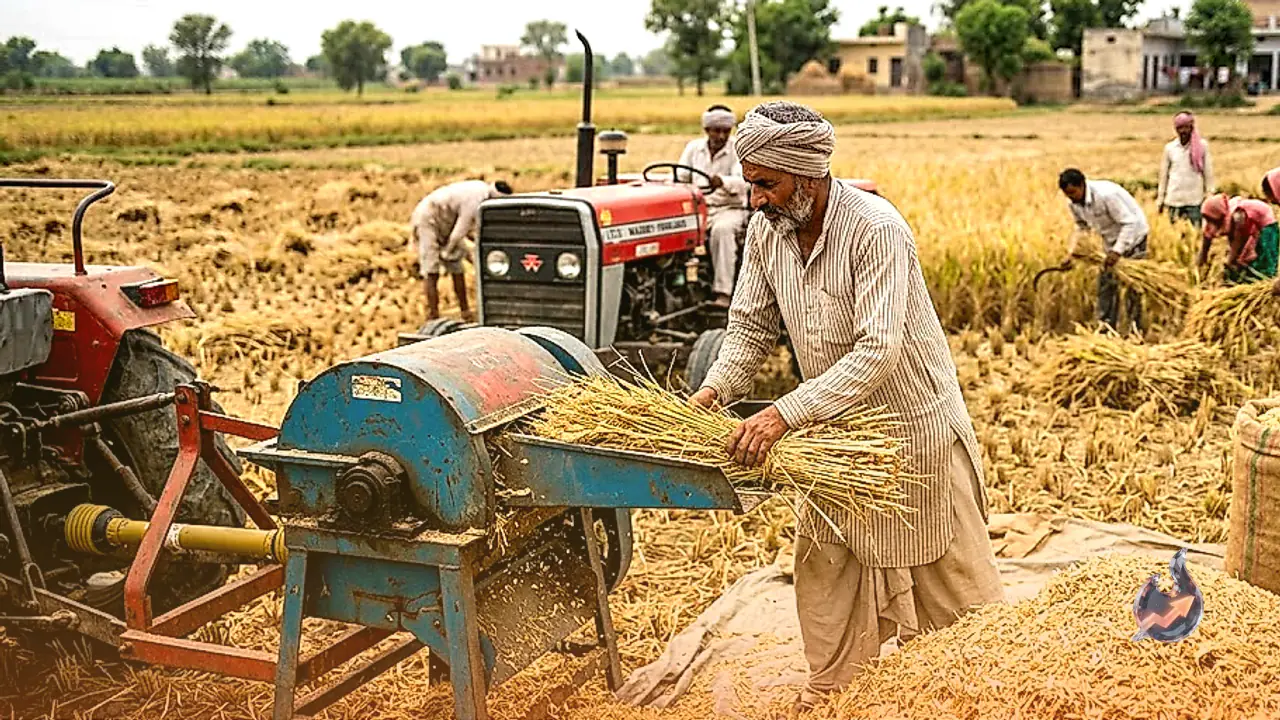
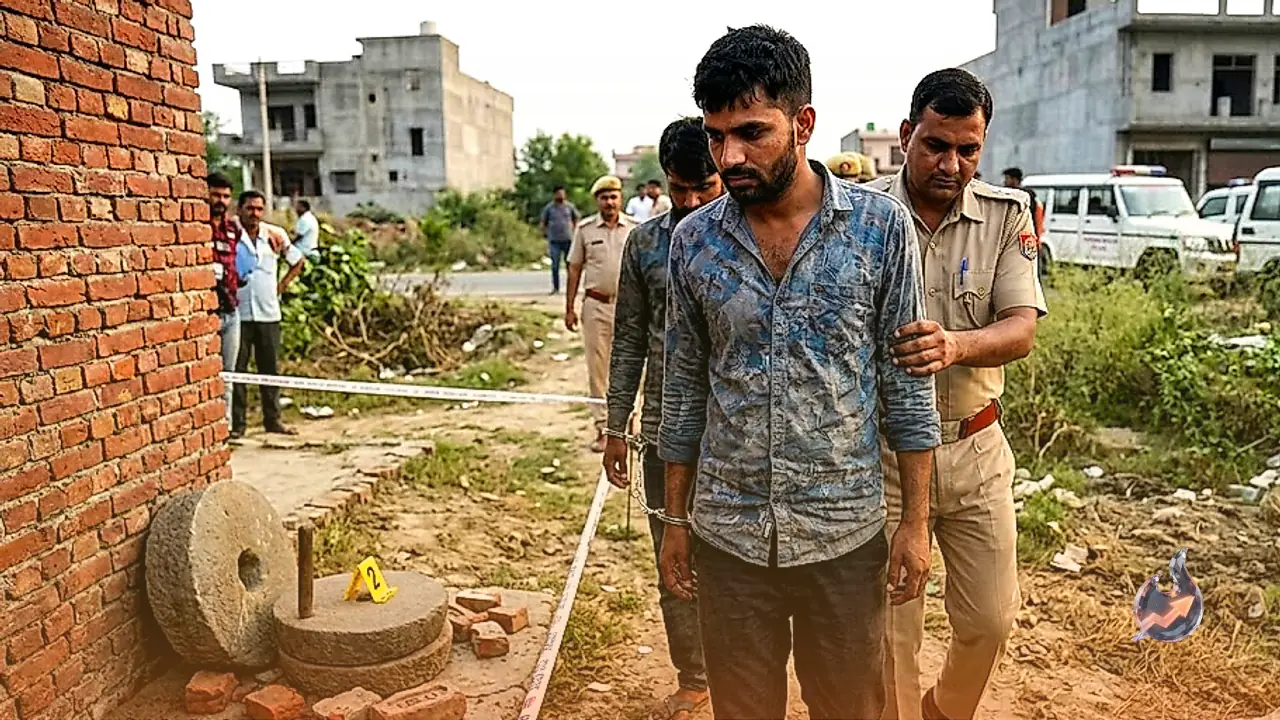
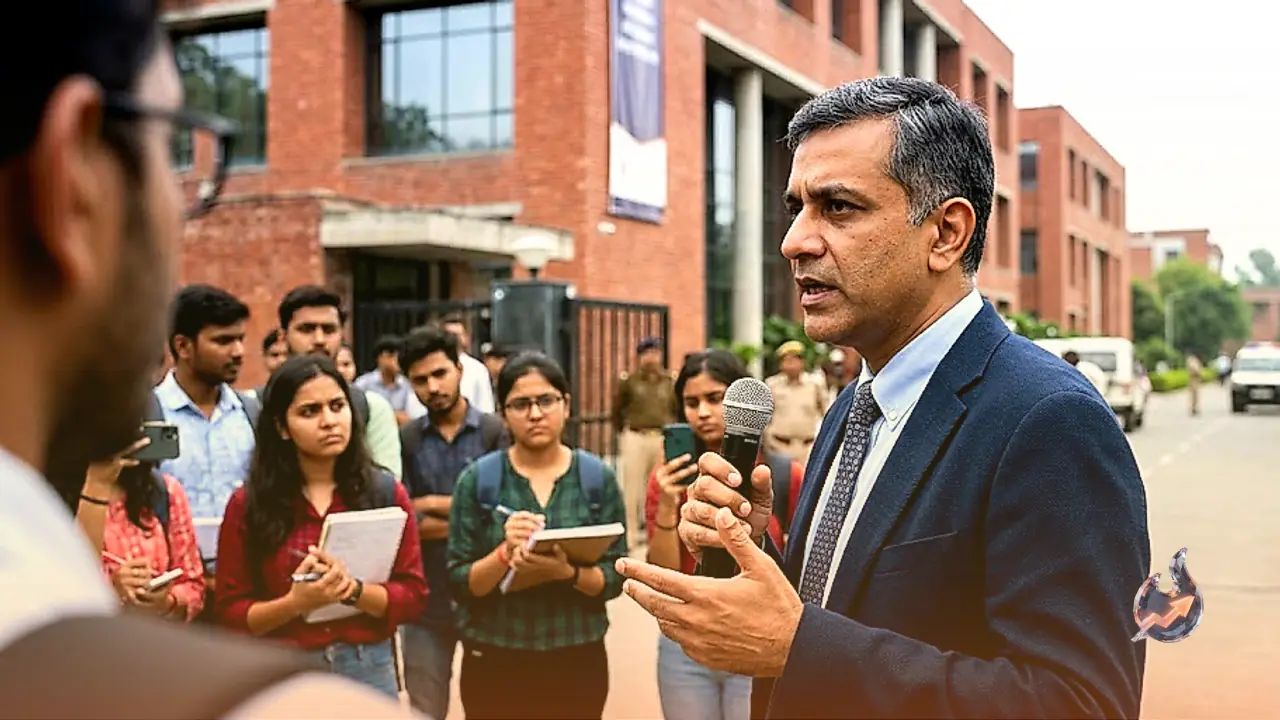
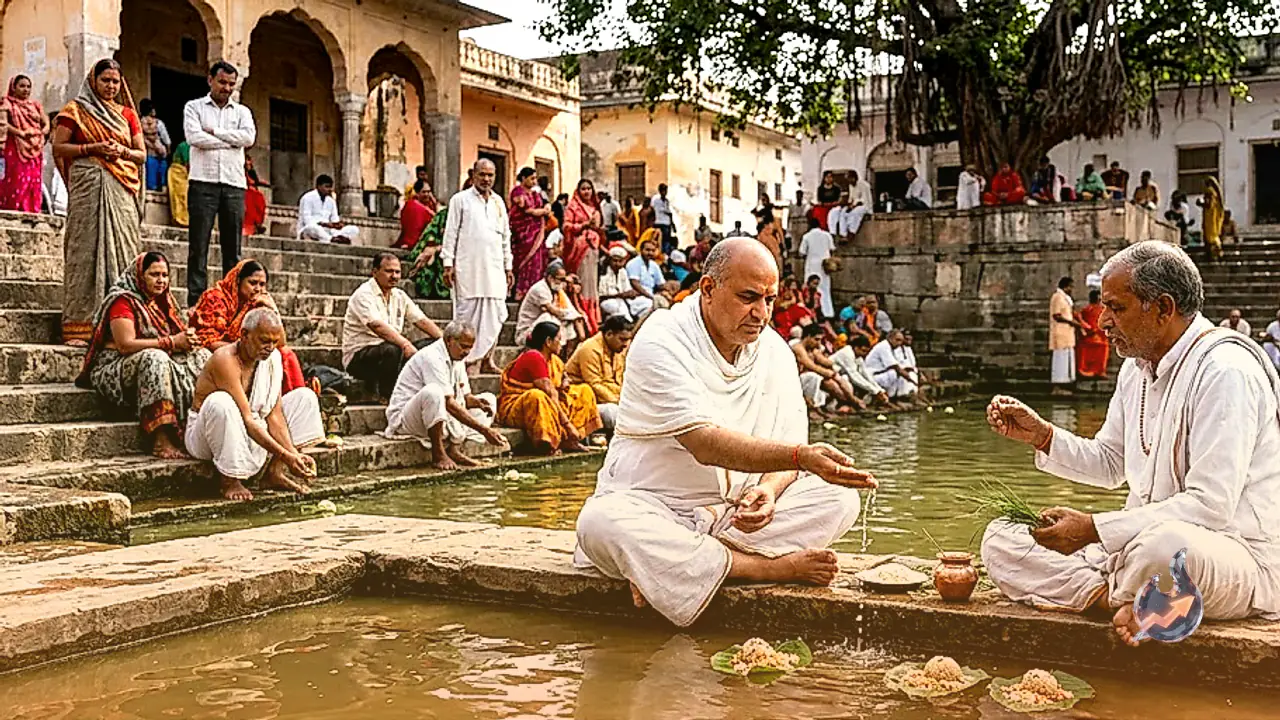














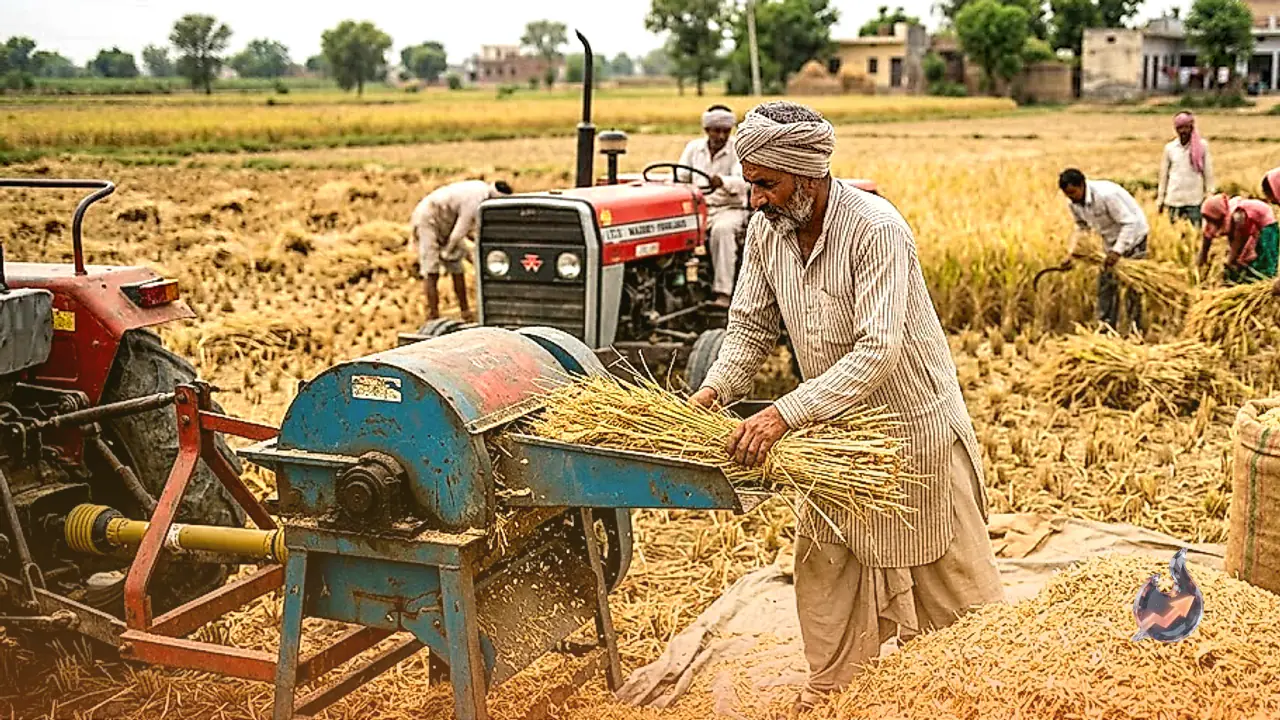

As Diwali approaches, the annual harvesting of the paddy crop in Faridabad has officially commenced, with fresh grains already arriving at local grain markets. In the coming weeks, harvesting activity is expected to accelerate significantly across the region. This seasonal phase typically coincides with escalating concerns over air pollution and toxic smog blanketed across Delhi and adjacent areas due to agricultural stubble burning. While farmers are frequently blamed for setting crop residues ablaze, several growers in the Faridabad district are actively bucking this trend by transforming agricultural residue into a productive and profitable resource rather than treating it as farm waste.
Manual Harvesting and Lucrative Fodder Sales
Kunwarpal, a progressive farmer operating on a large agricultural scale in Deeg village of Faridabad, has completely refrained from burning farm residue for many years. Instead of relying solely on heavy combine harvesters that shred straw irregularly, he prefers getting the majority of his paddy crop harvested manually by hand. Manual harvesting preserves the long stalks intact, resulting in high-quality dry fodder for cattle and dairy animals. Kunwarpal emphasizes that when crop residue can serve as vital animal nutrition and generate solid financial returns, burning it makes no economic or ecological sense.
The market demand for this preserved cattle fodder provides a steady stream of secondary revenue. Kunwarpal explains that the manual paddy straw sells for around Rs 400 to Rs 500 per quintal. Farmers who traditionally destroy this biomass incur losses while harming public health and regional air quality. By gathering, bundling, and marketing the straw, agricultural producers can capture direct cash earnings. Storing and selling stubble turns what is widely perceived as an agricultural liability into a dependable commercial product.
Nutrient Boost for Sugar Free Blue Potato Crops
Beyond traditional grain cultivation, Kunwarpal is widely recognized in the area for growing sugar free blue potatoes, a specialized crop he has cultivated for several seasons. The management of paddy straw plays a decisive role in maximizing the productivity of his potato fields. Following manual harvesting, the remaining post-harvest stubble left in the soil is plowed straight back into the earth. As this organic matter blends into the ground, it decomposes into rich natural manure, creating the ideal soil bed for his upcoming winter crop of sugar free blue potatoes.
Enriching Farm Soil with Natural Potash and Calcium
Incorporating decomposed crop residue directly into the soil delivers tangible agronomic benefits without requiring excess synthetic inputs. The biological breakdown of the straw supplies critical micronutrients, particularly natural potash and calcium, directly to the soil matrix. This practice softens the earth, maintains optimal soil tilth during field plowing, and preserves essential microbial life that chemical fertilizers or farm fires would otherwise eradicate. Setting fire to the fields scorches topsoil vitality, whereas retaining and recycling stubble progressively builds soil fertility year after year.
A Triple-Win Model for Soil, Cattle, and Farmers
Managing agricultural residue through responsible, non-polluting methods establishes a beneficial cycle across three major fronts: the field, livestock, and the farmer's balance sheet. The farmland gains long-term fertility through sustained organic replenishment of potash and calcium. Dairy cattle secure a reliable, palatable fodder supply. Meanwhile, the cultivator earns Rs 400 to Rs 500 per quintal from dry straw sales alongside higher tuber yields from healthier soil. The ongoing experience of Deeg village demonstrates that agricultural stubble can serve as an asset rather than an ecological hazard when handled with foresight.