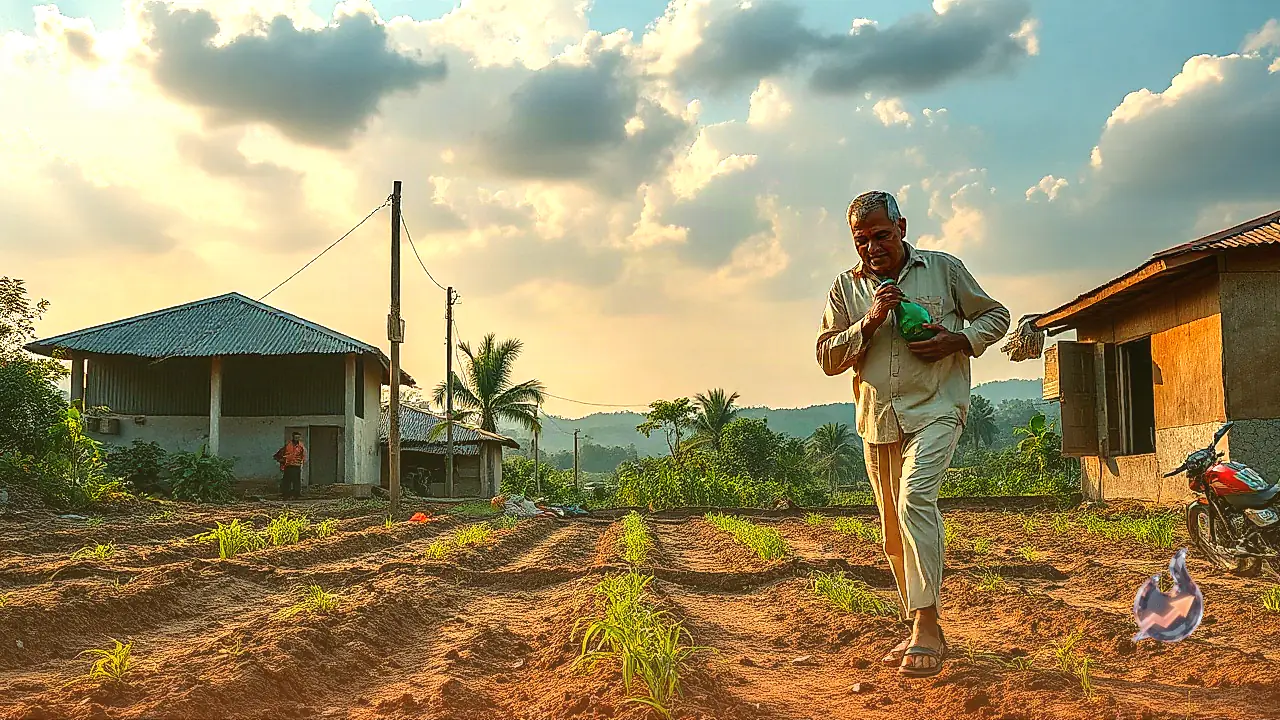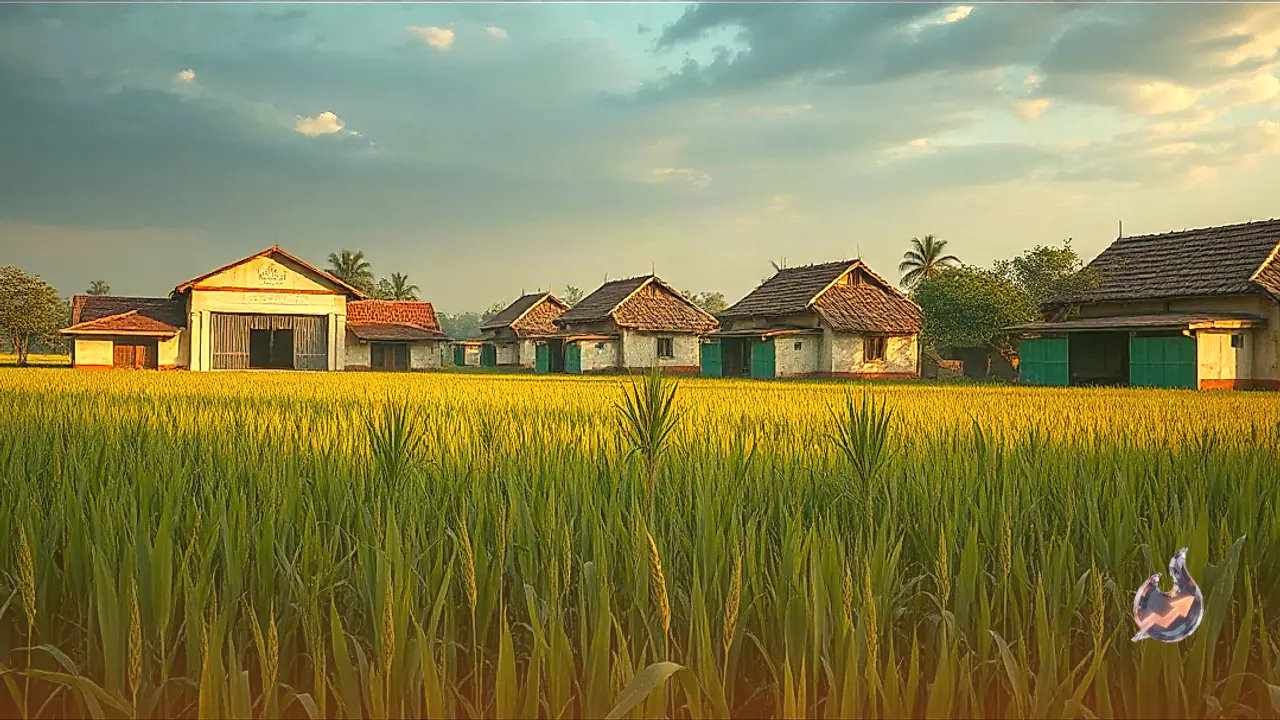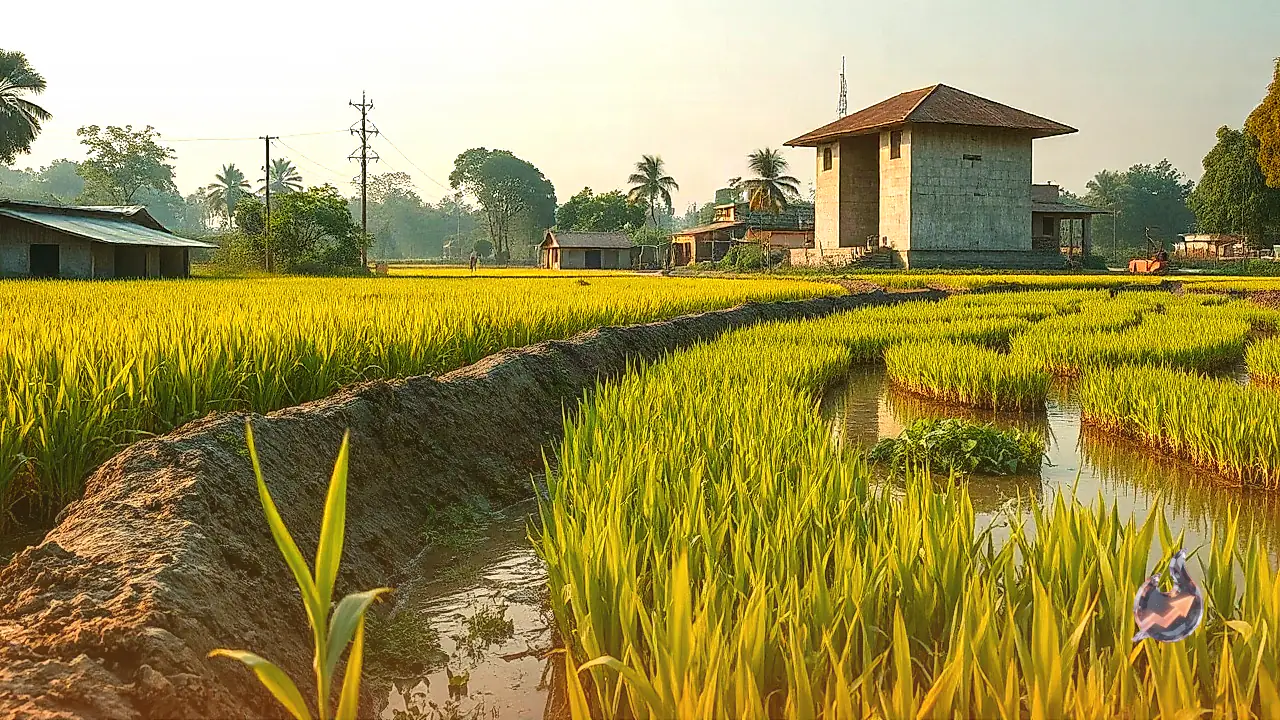























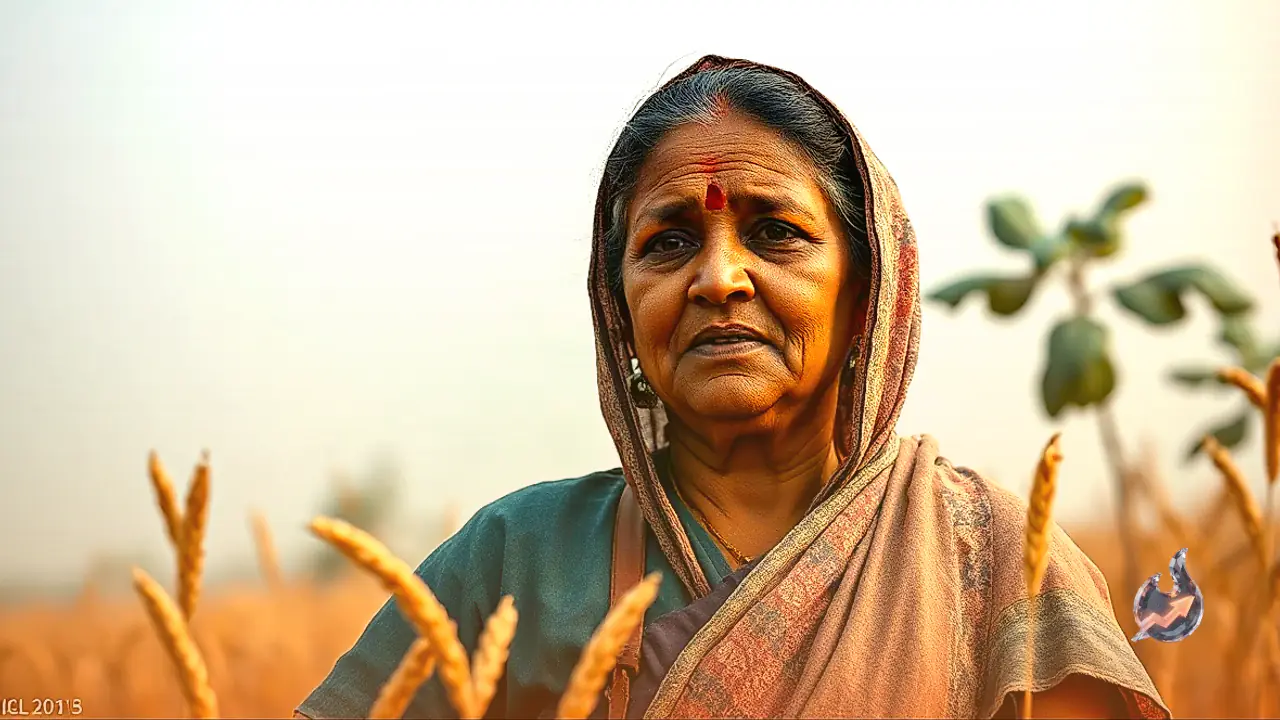

Evolving dietary preferences and a growing appreciation for traditional nutrition are driving a structural shift in agriculture. In Chainpur block of Palamu district, Jharkhand, Kunti Devi, a resilient woman farmer, has embraced this trend by reviving the cultivation of finger millet, locally known as ragi or mandua. Encouraged by specialized agricultural training, she has planted high-quality ragi seeds across two kattha of land. Amid heavy modern reliance on wheat and rice, this resurgence of coarse grains is not only restoring traditional rural diets but also opening promising economic avenues for smallholder farmers.
Childhood Memories and a Fresh Start After Training
Cultivating mandua is not entirely unfamiliar to Kunti Devi. Recalling her early childhood, she shared that finger millet was traditionally grown at her parental home and native village. Through direct observation, she picked up foundational knowledge regarding its sowing techniques, processing methods, and culinary applications. However, as agricultural patterns shifted over the decades, millet farming gradually faded from local fields. The impetus to return to her roots came when local agricultural development programs reintroduced training modules focused on climate-resilient coarse grains.
During the training program, Kunti Devi received specialized ragi seeds supplied through the Agricultural Technology Management Agency (ATMA), which she planted on her two kattha plot. In the early germination phase, as tiny green shoots emerged, several local villagers mistook the crop for wild weeds. Having grown up around millet farming, Kunti Devi remained confident in identifying the authentic ragi sprouts. Her family has long valued traditional grains, where regional staples such as maize ghata, jowar roti, and mandua roti formed an integral part of everyday meals.
The training sessions emphasized the exceptional nutritional profile of coarse grains compared to conventional staples. Experts highlighted that ragi contains superior levels of calcium, dietary fiber, and essential micronutrients relative to polished rice and wheat. Motivated by these health benefits, Kunti Devi decided to commit her land to the crop. She plans to expand her ragi acreage substantially in subsequent seasons if the current harvest yields strong output and fetches fair market pricing.
Minimum Support Price and Growing Global Demand for Finger Millet
Rising consumer awareness around health and wellness has created lucrative commercial opportunities for millet growers. To incentivize production, the Government of India established a Minimum Support Price (MSP) of ₹5,205 per quintal for ragi for the 2026-27 Kharif marketing season. Official estimates place the baseline cost of production at ₹3,470 per quintal, ensuring a healthy profit margin above operational expenses for cultivating farmers.
Beyond the domestic market, international demand for finger millet is also witnessing steady growth. Market indicators for 2026 show that whole grain Indian ragi commands export prices ranging between $420 and $560 per metric ton. In Indian currency, this equates to roughly ₹36 to ₹48 per kilogram at international trade levels. The final realized price remains subject to factors such as grain quality, thorough cleaning, packaging standards, certification, and specific exporter contracts.
Agricultural Scientist's Assessment: Cost and Profit Per Acre
Elaborating on the financial viability of millet cultivation, agricultural scientist Dr. Pramod Kumar explained that ragi offers high returns relative to its input requirements. According to Dr. Pramod Kumar, an acre of properly managed ragi crop typically yields between 8 and 10 quintals of grain. Selling this output at the government MSP of ₹5,205 per quintal generates a gross revenue of approximately ₹50,000 to ₹60,000 per acre (specifically amounting to ₹52,050 for a 10-quintal yield).
On the expense side, total cultivation costs, including seeds, field preparation, and harvesting, range from ₹15,000 to ₹20,000 per acre. Subtracting these input expenses leaves farmers with a solid net profit margin. Furthermore, Dr. Pramod Kumar noted that realization rates could escalate even higher if farmers market their produce in local retail hubs or supply organic and premium specialty channels. This economic potential is driving farmers like Kunti Devi to view traditional crops through a modern entrepreneurial lens.