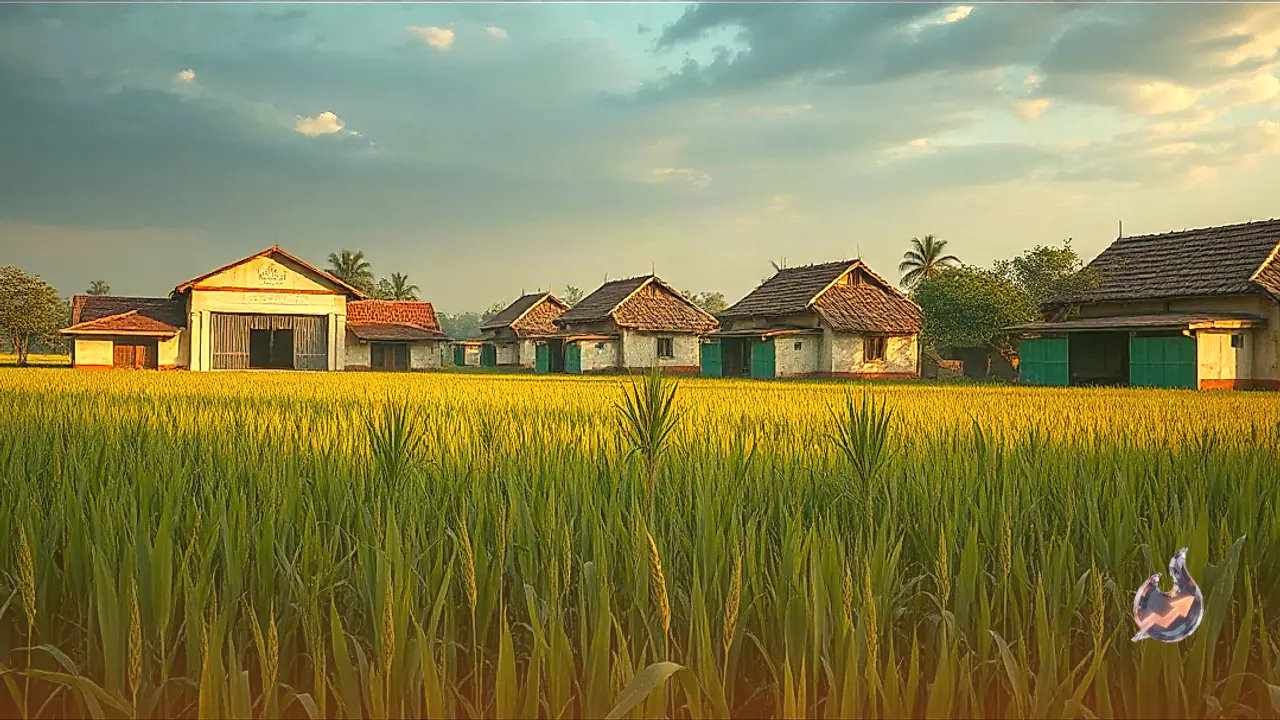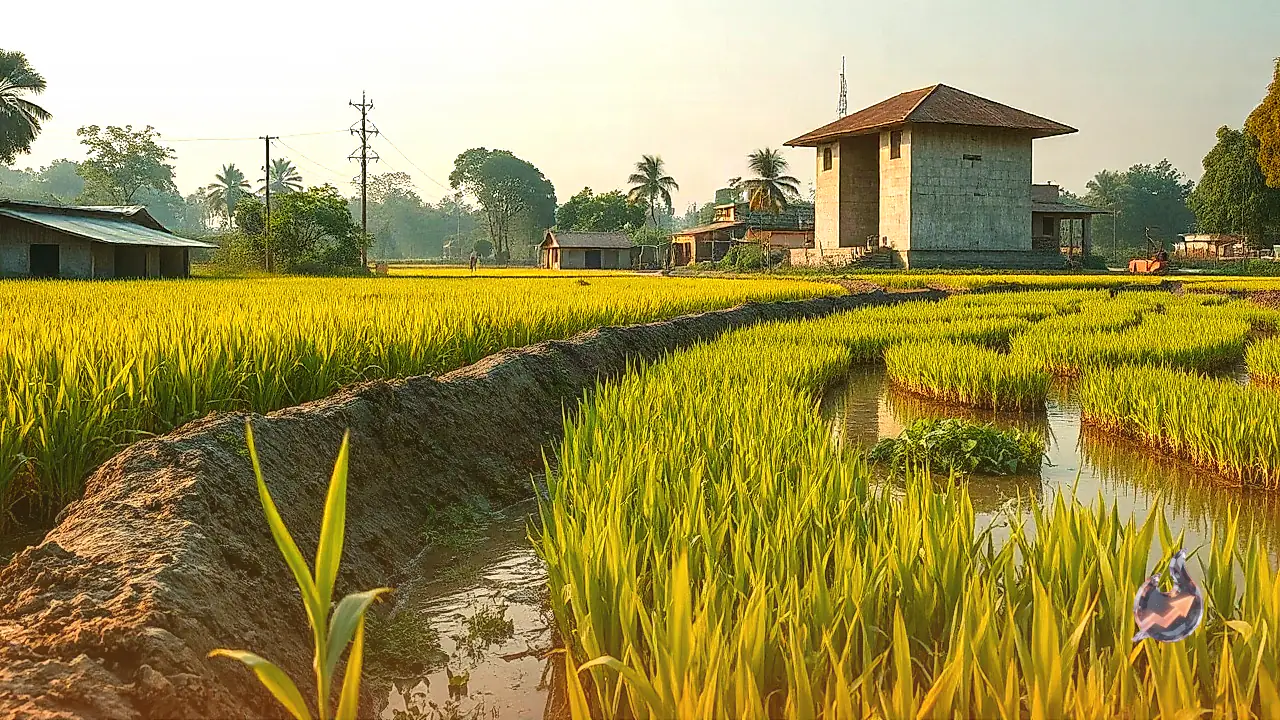























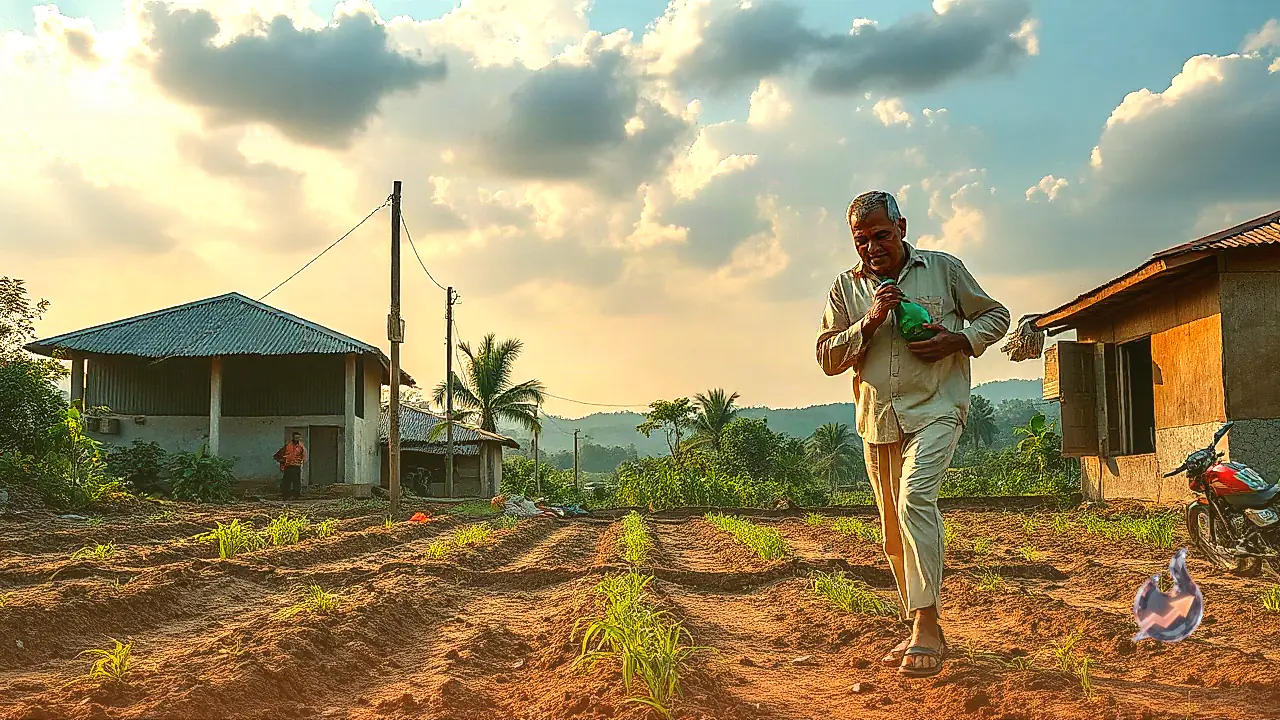

In modern agriculture, low-cost and water-efficient crops are rapidly gaining popularity among farmers looking to maximize returns. One such crop is Aru, which visually resembles Ol (elephant foot yam). The unique advantage of this crop lies in its minimal maintenance and negligible irrigation demands, allowing growers to fetch a market value of up to 1.5 lakh rupees per acre with proper soil management.
Soil Preparation and Systematic Sowing
According to Charu Mandal, the primary physical labor in Aru farming is concentrated strictly during the initial sowing phase. To prepare the field, a pit measuring 4 feet deep is dug into the ground. Around 15 days prior to sowing, the soil is enriched with lime, cow dung manure, vermicompost, and essential pesticides to significantly boost land fertility before placing the seeds.
Zero Ongoing Irrigation Requirements
Once the seed is planted inside the pre-treated pit, it requires watering only once at the exact time of sowing. Following this initial moisture supply, no repeated irrigation is necessary throughout the growth cycle. The plant naturally absorbs the required moisture and water directly from deep underground reserves, keeping operational expenses extremely low.
Tuber Weight and Revenue Breakdown
A single Aru tuber can grow to an impressive weight of 15 to 20 kilograms. Under standard farming conditions, one acre of land yields approximately 30 quintals of total production. At prevailing market rates, this harvest carries an estimated total market value of around 1.5 lakh rupees, making it a dependable income stream for cultivators.
Edible Leaves and Harvesting Indicators
Beyond its underground tuber, the Aru plant offers additional utility through its leaves, which are harvested to prepare delicious traditional dishes. Furthermore, leaf growth acts as a natural visual gauge for the underground crop. When the foliage expands significantly, it signals that the buried tuber has matured fully and is ready for excavation.