





















The resonant lines of Gaon Chhodab Nahi, Jangal Chhodab Nahi have long echoed across environmental campaigns defending forests, water resources, and land in Jharkhand, Odisha, and Bengal. These iconic lyrics were crafted by folk artist Madhu Mansuri Hansmukh, who has received the Padma Shri for his enduring cultural contributions. In addition to national recognition, he has also been honored with titles such as Jharkhand Ratna and Vibhuti Ratna.
Early Lessons From His Father
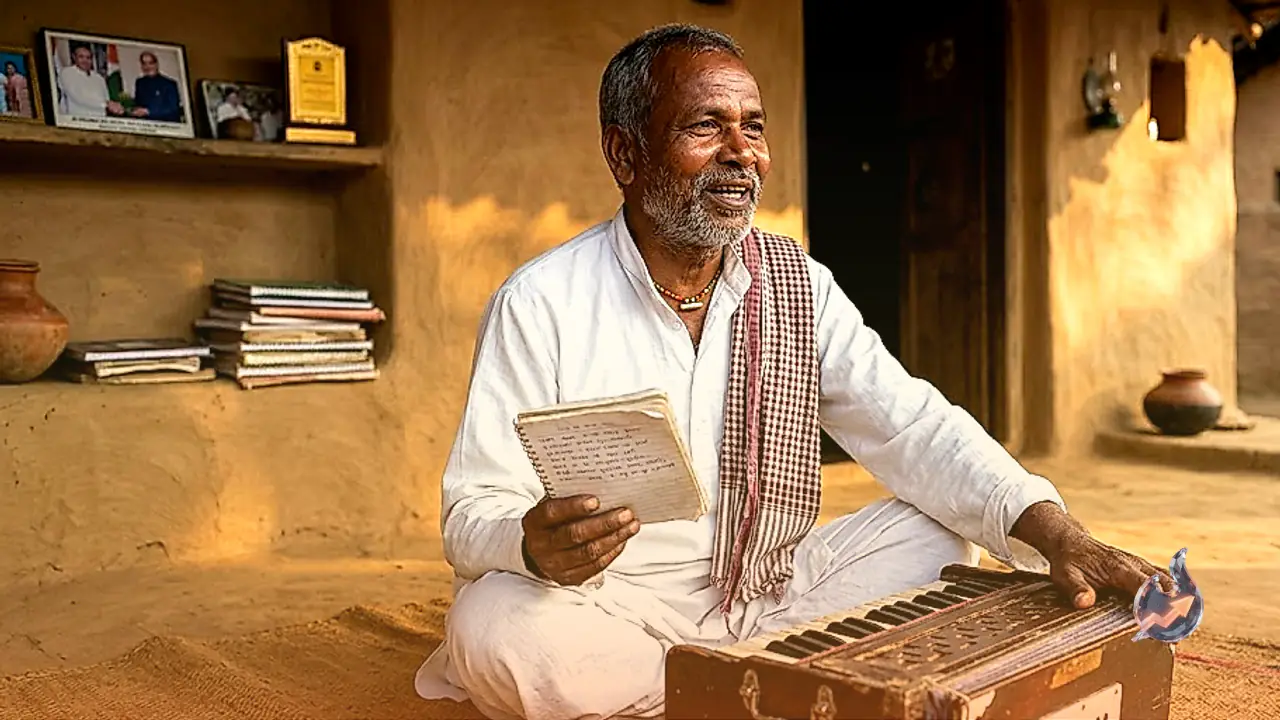
Beginning his vocal journey at the tender age of eight, the acclaimed writer has now authored over 300 regional tracks. Notably, he never underwent any formal training or attended musical classes to learn the intricacies of ragas and beats. Instead, his entire foundation came directly from his father, who held a deep passion for music. He recalls that starting from the age of five, his father would sit him down and teach him the fundamentals. His father maintained a profound awareness of ecological preservation and community hardships, frequently composing tracks and discussing these issues. This empathetic worldview permeates his entire catalog, as he views music as an exceptionally powerful tool to convey thoughts and perspectives to a global audience.
Activism and Cultural Resistance
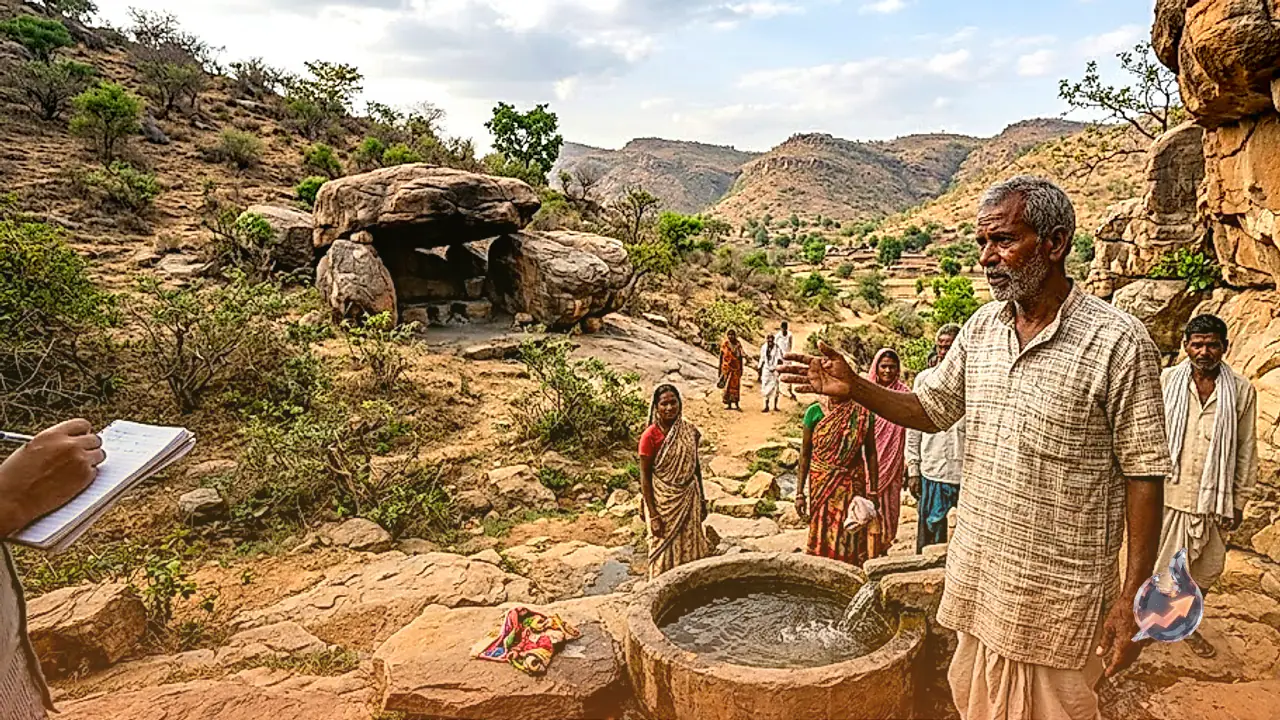
Listeners tuning into his compositions will invariably encounter themes centered on natural rights, environmental conservation, and the preservation of indigenous identity. These messages resonate deeply in neighboring states, driving his widespread popularity. His primary aspiration remains utilizing melody to propel Jharkhand forward. His dedication to the craft is so absolute that he wakes up at three o'clock every morning to write verses and practice vocal delivery. Recognized as a pioneer of modern melodies in the Nagpuri regional tongue, his creations echo through every village and alleyway throughout the region.
Preserving a Regional Legacy
Cultural contributors played an instrumental role alongside political figures during the historic statehood movement. His track Jharkhand Mein Kheti Badi, Patna Mein Khalihan became an anthem during those turbulent times. Furthermore, he successfully categorized Nagpuri musical styles. At seventy-five years of age, rather than resting, he continues working tirelessly to ensure that the tradition of composing and singing Nagpuri tracks stays alive, inspiring younger generations of writers to emerge. Admirers fondly refer to him as the prince of the Nagpuri stage.