























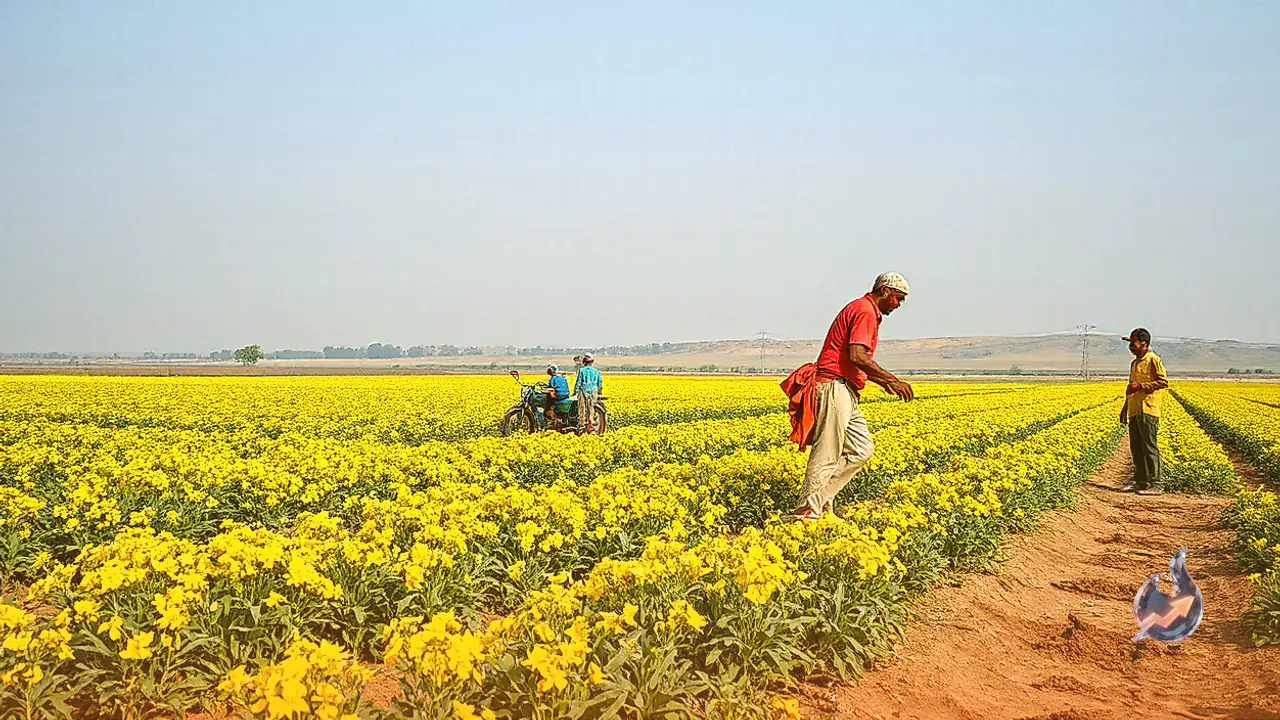

Farmers engaged in mustard cultivation in Koderma, Jharkhand, have a strong opportunity to secure better harvests by adopting modern agricultural practices. Given the local climate and soil conditions, selecting improved varieties, preparing fields correctly, maintaining proper planting distances, and applying balanced fertilizers can greatly enhance overall production. Alongside these steps, regular crop monitoring and effective pest management remain essential to safeguarding the harvest.
Expert Insights and Scientific Management
Dr. Ajay Kumar Rai, senior agricultural scientist at Krishi Vigyan Kendra Koderma, shared important insights regarding scientific mustard farming. He pointed out that instead of sticking to traditional methods, farmers who adopt scientific management and advanced varieties can achieve superior yields. In mustard cultivation, the quantity of seed used, the distance maintained between plants, and the balanced application of nutrients are the primary factors that directly dictate overall productivity.
Choosing Between Yellow and Black Mustard
Dr. Ajay Kumar Rai noted that both yellow and black mustard varieties are widely grown. While many farmers currently sow yellow mustard, black mustard also holds strong potential for high yields when managed correctly. For black mustard cultivation, he specifically recommended using the Birsa Bhaba Mustard-1 variety. When cultivated using proper techniques tailored to the local climate of Koderma, this variety can deliver profitable outcomes for growers.
Proper Field Preparation and Sowing Guidelines
Achieving a bountiful harvest begins with thorough field preparation before sowing. The soil should be well-pulverized and crumbly, with adequate drainage systems in place to prevent waterlogging. During sowing, farmers must pay careful attention to seed rates. In many areas, growers tend to use excessive seeds, resulting in overcrowded plants that struggle to receive sufficient space, sunlight, and nutrients.
Maintaining Optimal Plant Spacing
Overcrowding stunts plant growth and can severely reduce final production figures. To prevent this, sowing should always be carried out in orderly rows. The recommended distance between individual plants should be around 15 to 20 centimeters, while the space between rows should measure approximately 30 to 45 centimeters. This arrangement gives each plant adequate room to develop and simplifies routine crop maintenance and field management.
Balanced Fertilizers and Pest Management
To nourish the crop properly, a balanced application of nitrogen, phosphorus, and potassium is required. Additionally, incorporating sulfur into the fertilizer schedule provides significant benefits for mustard plants. Because pest attacks and plant diseases can damage growth and lower yields, farmers must inspect their fields regularly. Spotting early signs of infestation and consulting agricultural experts for timely treatment helps protect the crop from major damage.
Harvesting Timeline and Duration
The mustard crop generally takes between 120 and 150 days to mature fully. The exact harvesting schedule may vary depending on the sowing date and the specific seed variety used. For farmers who complete their sowing in November, the crop typically becomes ready for harvest between February and March under normal weather conditions.