























The Dang region situated within Rajasthan's Bharatpur district is widely recognized for its diverse rural landscapes and traditional farming lifestyle. As soon as the monsoon season sets in, various green vegetation begins to flourish across local fields and natural surroundings. Among these plants, a particular variety known locally as loom stands out as exceptionally useful for livestock owners and farmers.
A Natural Resource for Rural Farmers
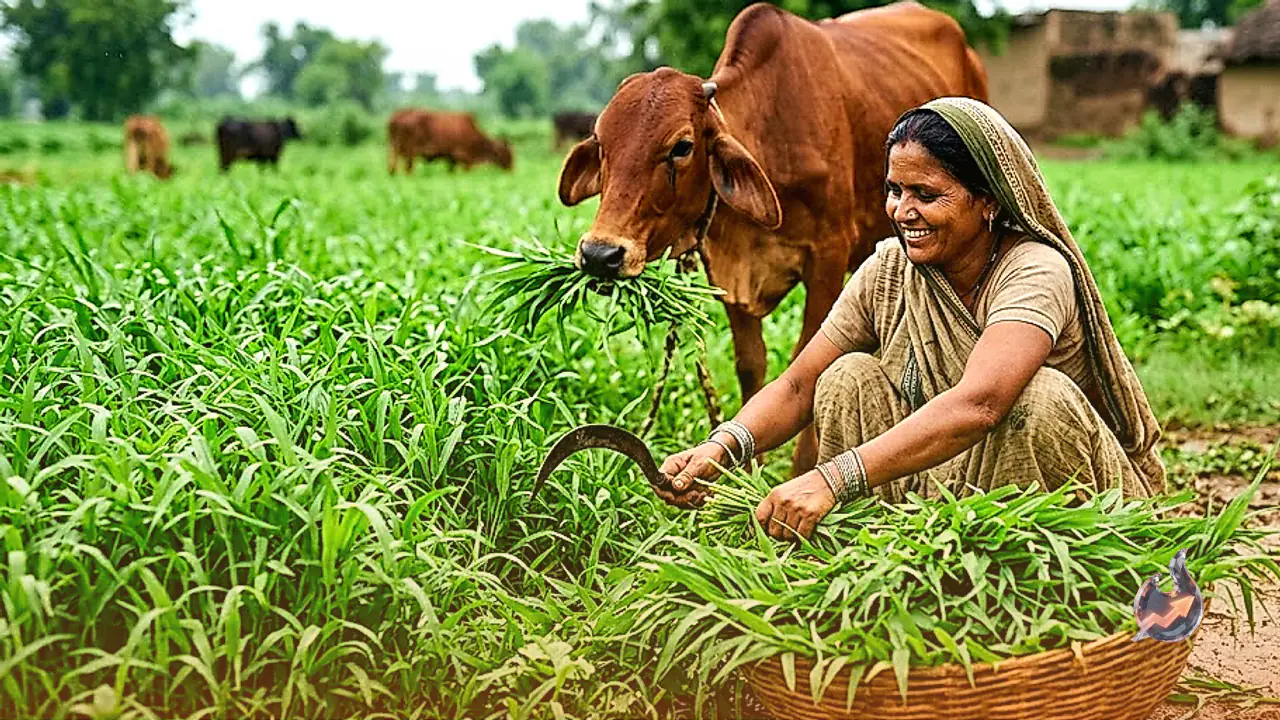
Across the rural expanses of the Dang region, loom sprouts naturally during the rainy months without requiring any cultivation efforts. Farmers do not need to sow seeds or spend resources growing this fodder, as nature provides it abundantly after the first monsoon showers. The green and tender leaves are manually harvested by villagers to be used as nutritious feed for their cattle.
Feeding Methods and Daily Utility
According to local livestock rearers, loom can be fed to animals directly or chopped and mixed with other green fodder and commercial cattle feed. This practice ensures a wholesome and balanced diet for the animals. Harvesting and transporting the fodder is relatively straightforward, allowing numerous rural households in the region to rely on this seasonal resource during the wet months when regular fodder availability can sometimes be challenging.
Impact on Cattle Health and Productivity
Incorporating loom into the regular diet helps maintain robust health among farm animals. Furthermore, providing adequate green fodder directly correlates with improvements in the milk production capacity of dairy cattle. While overall milk output ultimately depends on factors such as the animal breed, individual health, age, and general management, the natural availability of loom provides substantial support to dairy farmers.