
























Clothing plays a vital role in shaping personal style, confidence, and overall appearance. Despite the massive popularity of ready-made apparel, a significant section of buyers still prefers purchasing unstitched fabric pieces. Opting for cut pieces allows individuals to customize outfits according to their exact measurements, personal styling preferences, and body fit. Fabric stores typically present an extensive array of colors, patterns, textures, and fabric grades in one place. However, the generational approach toward inspecting textiles while shopping has shifted significantly over the years.
Generations past relied heavily on tactile inspection, rubbing the fabric between their fingers to evaluate its density, texture, weave, and breathability. Modern younger shoppers, on the other hand, frequently depend solely on printed labels or verbal claims made by retail staff. Without understanding how to verify fabric quality through physical inspection, consumers frequently end up purchasing synthetic blends rather than natural fibers.
How Mixed Weaves Are Passed Off as Pure Cotton
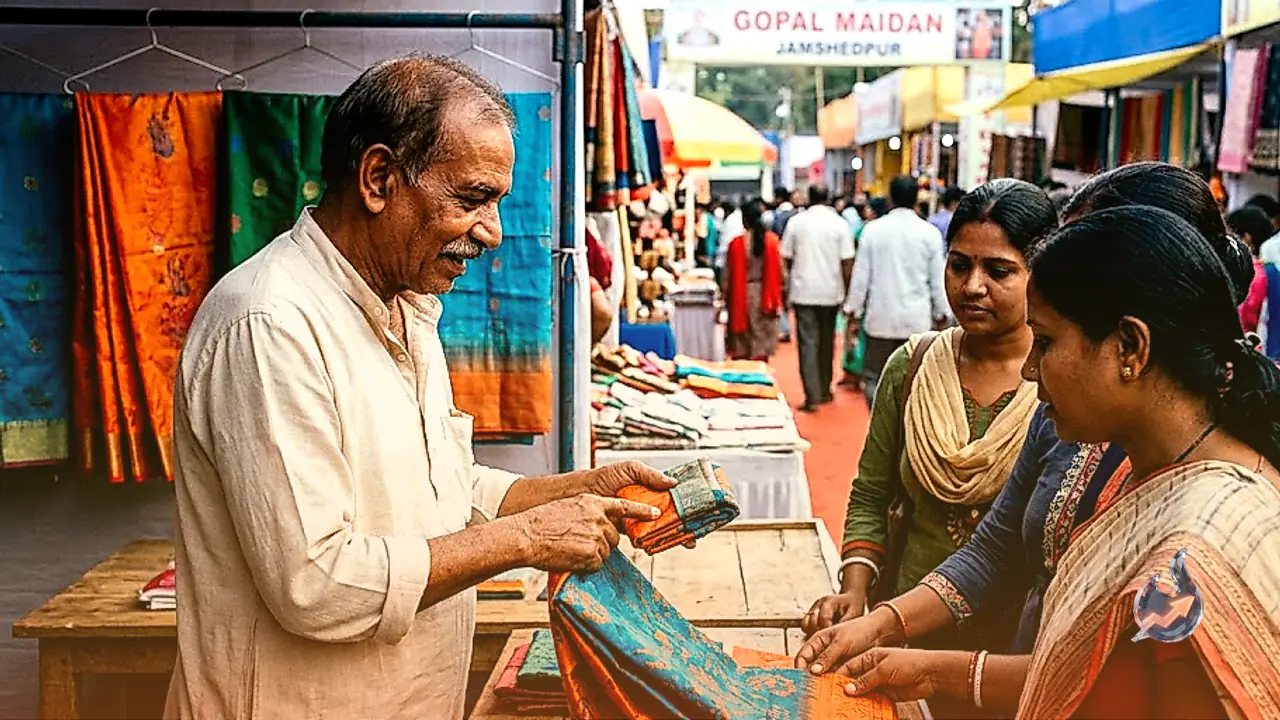
Minhaj Ansari, operator of Cotton World located on Kalali Road in Jhumri Telaiya, explains that customers regularly encounter misleading sales tactics in the market. Shoppers often report that other merchants sold them mixed synthetic fabrics under the guise of pure cotton. In several instances, even blended linen materials are marketed and billed as hundred percent pure cotton. The textile market is flooded with diverse fabric varieties and varying price segments, making it difficult for an average buyer to discern intricate differences without knowing basic testing techniques.
The Fist Squeeze Method for Quick Cotton Verification
Testing for authentic cotton takes just a few seconds and requires no specialized tools. Ansari suggests holding a portion of the cloth firmly inside your palm and clenching your fist tightly. Upon releasing the fabric, genuine cotton will instantly display distinct, pronounced wrinkles across the compressed section. In contrast, fabrics woven by blending two or more dissimilar fibers usually possess a velvety texture and an artificial sheen. When squeezed firmly in hand, blended fabrics resist creasing and fail to form the sharp, deep folds characteristic of pure cotton.
Paper Silk for Superior Warm-Weather Comfort
Another prominent variant within the cotton lineup is known as paper silk. Highly regarded for warm weather, this breathable material absorbs perspiration effectively, making it exceptionally comfortable during intense summer heat. To verify paper silk, fold or crumple a section in your hand and inspect the resulting creases. Genuine paper silk readily produces deep, prominent wrinkles that are clearly visible to the naked eye.
Spotting Premium Cotton and Striped Linen Weaves
For tailored shirts, premium cotton remains a highly sought-after material. It carries a subtle natural luster and feels slightly thicker than standard cotton fabrics. A practical advantage of premium cotton is its resilience against stains, allowing most everyday spots to wash out with relative ease. Meanwhile, linen cotton is commonly chosen for shirts and traditional kurtas. This fabric can be recognized by its distinctive stripe-like yarn texture visible throughout the weave. Linen is flexible, visually striking, and when compressed in the hand, it produces creases that can appear even deeper than those on conventional cotton cloth.