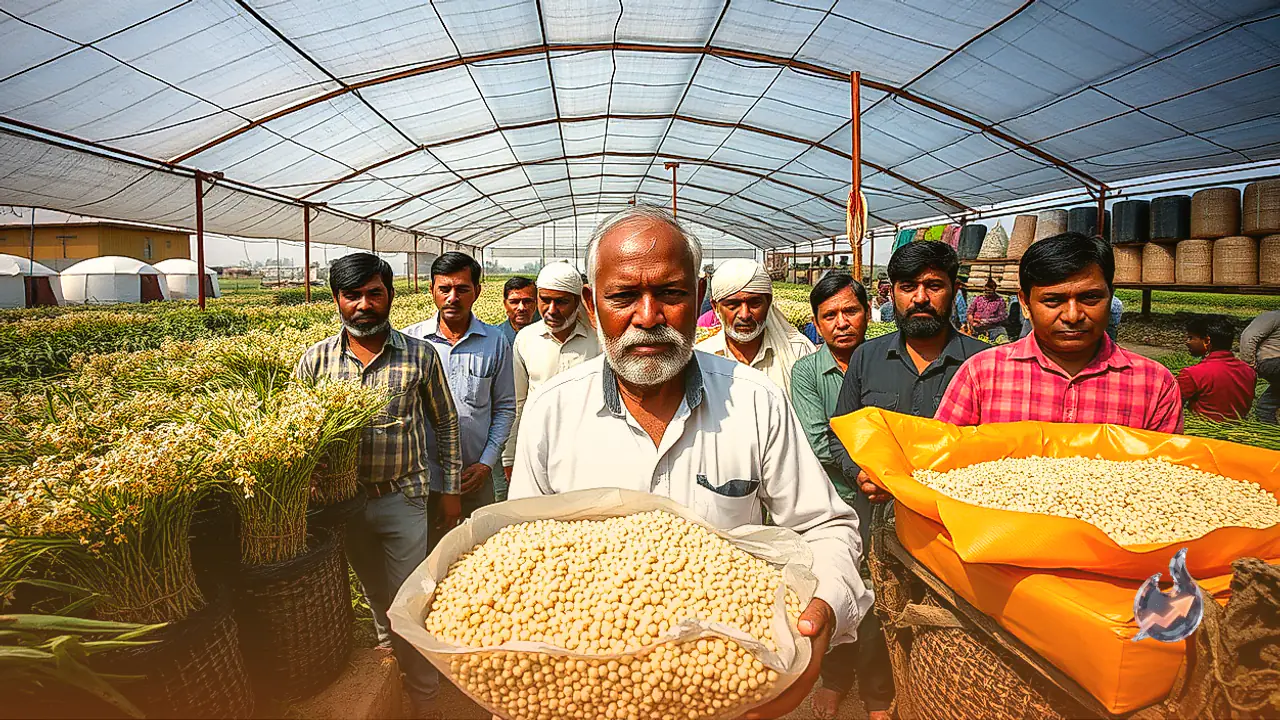
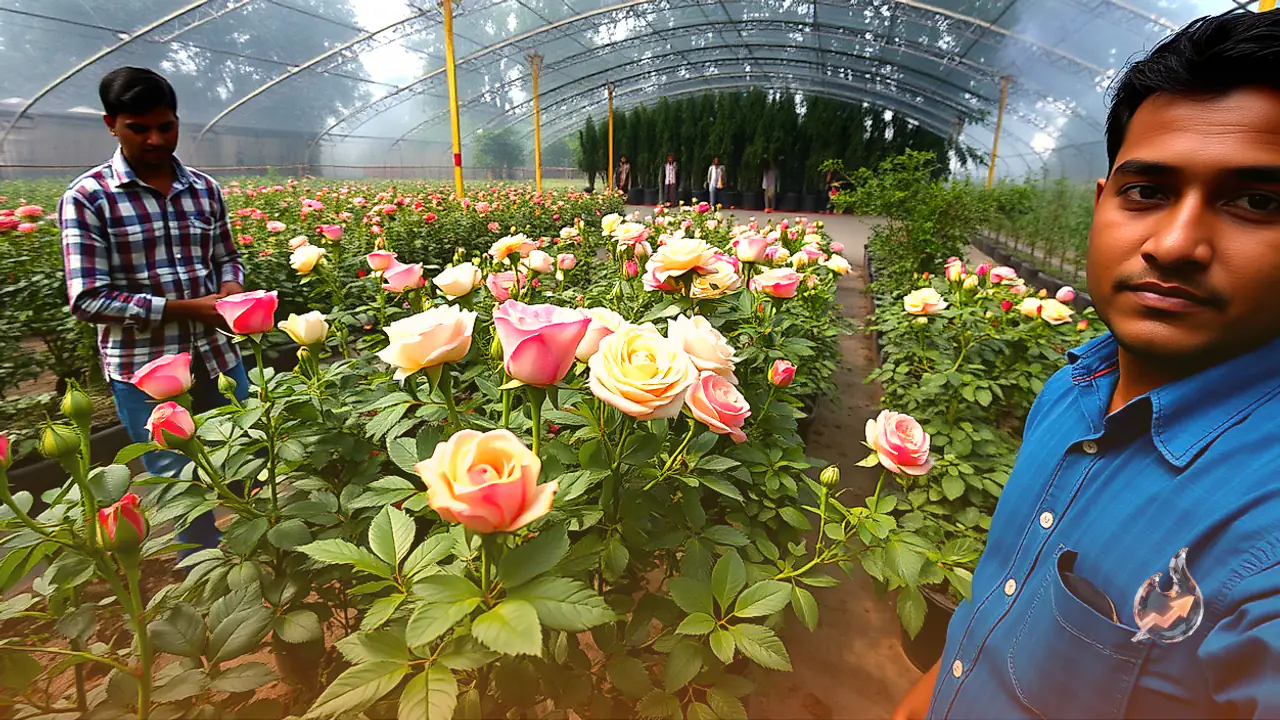


















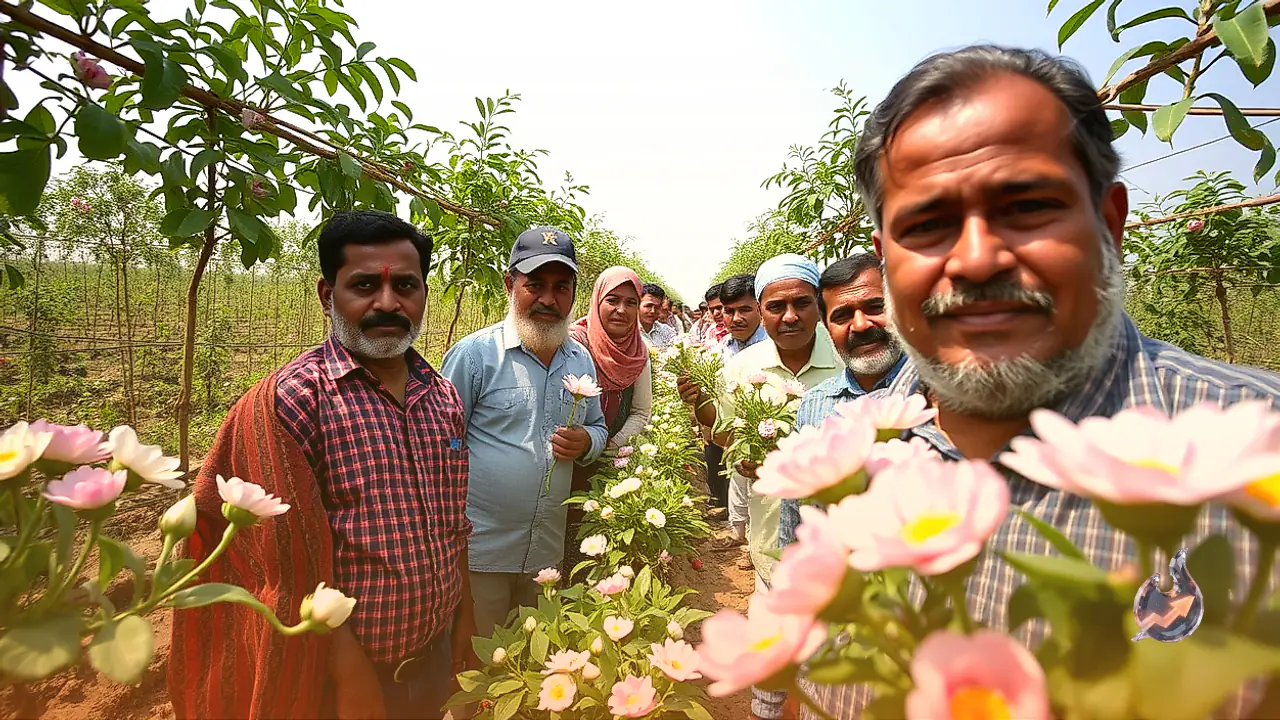

Farmers who remain entirely reliant on conventional cereal cultivation frequently confront the dual pressures of steep operational expenses and unpredictable financial returns. Sowing paddy and wheat demands sustained physical labour and substantial input costs, yet the eventual market returns often fail to match the investments made by growers. In response to this recurring economic strain, agricultural planners have increasingly emphasised crop diversification into horticulture and floriculture as a viable remedy. Even on relatively small landholdings, growing commercial flowers creates significant earning opportunities, and this approach is particularly well suited to a district like Deoghar where local consumption remains exceptionally high throughout the entire year.
Sustained Local Demand Driven by Religious Pilgrimage
Deoghar is widely revered as the sacred abode of Baba Baidyanath, drawing pilgrims from every part of the country who arrive to offer prayers and worship at the holy Jyotirlinga. Daily temple rituals and devotional offerings require massive volumes of fresh blossoms, guaranteeing continuous footfall across local flower stalls. Among the varieties brought to market, marigold registers the highest single demand due to its central role in traditional devotional offerings.
Beyond religious ceremonies at the shrine, steady demand is generated by weddings, festive functions, celebratory parties, and commercial decor arrangements. Varieties such as marigold, rose, tuberose (rajnigandha), and gerbera remain in constant requirement across town. Because this steady consumer base already exists right at their doorstep, growers do not have to absorb freight expenses or navigate distant wholesale yards to sell their harvest, finding dependable buyers within their home district.
Full Financial Backing Through National Horticulture Mission
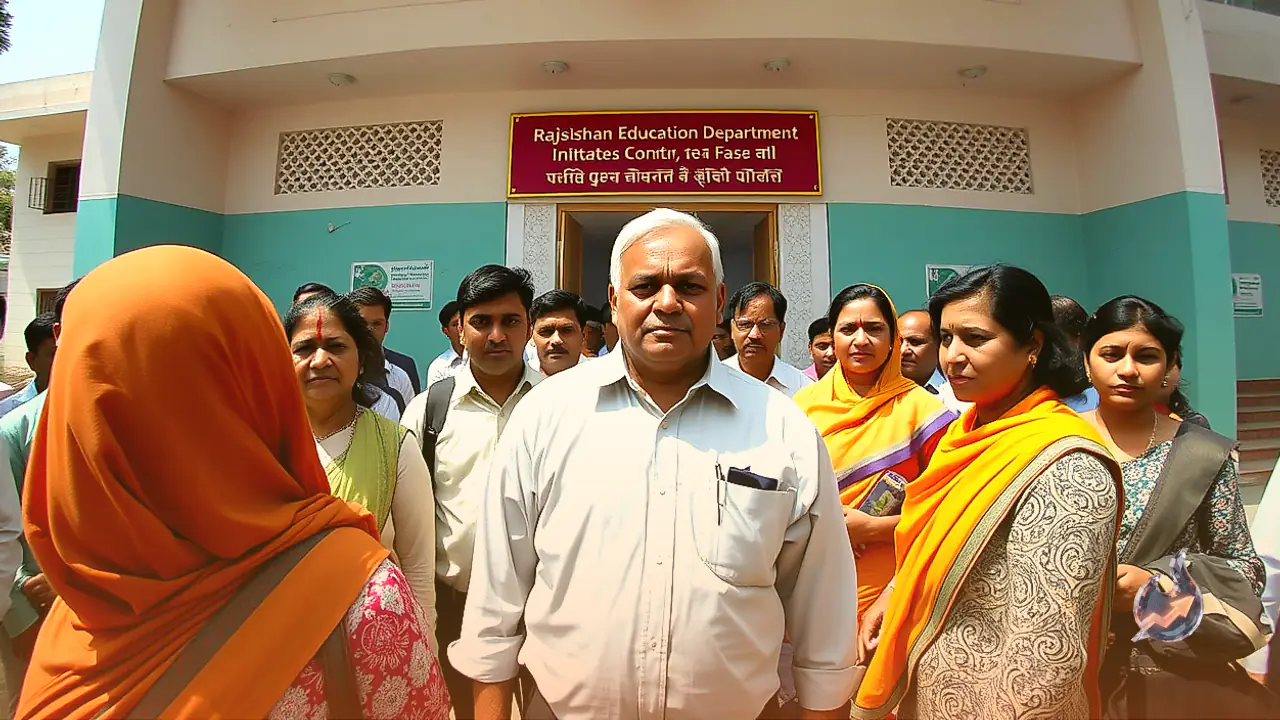
To help regional growers capitalise on this built-in market, the government is incentivising commercial floriculture under the framework of the National Horticulture Mission. According to Shashank Shekhar, the Block Agriculture Officer of Deoghar block, the horticulture department is actively promoting flower cultivation by extending a 100 percent subsidy to participating farmers. Under this welfare mechanism, the essential expenditure required to establish and maintain flower cultivation is covered by the department, shielding growers from heavy out-of-pocket costs.
To qualify for this incentive, an applicant must hold legitimate agricultural land in their own name. For land-owning farmers seeking to transition beyond the constraints of monoculture and elevate their overall household income, the program serves as a low-risk gateway into commercial horticulture.
Application Procedure and Mandatory Documentation
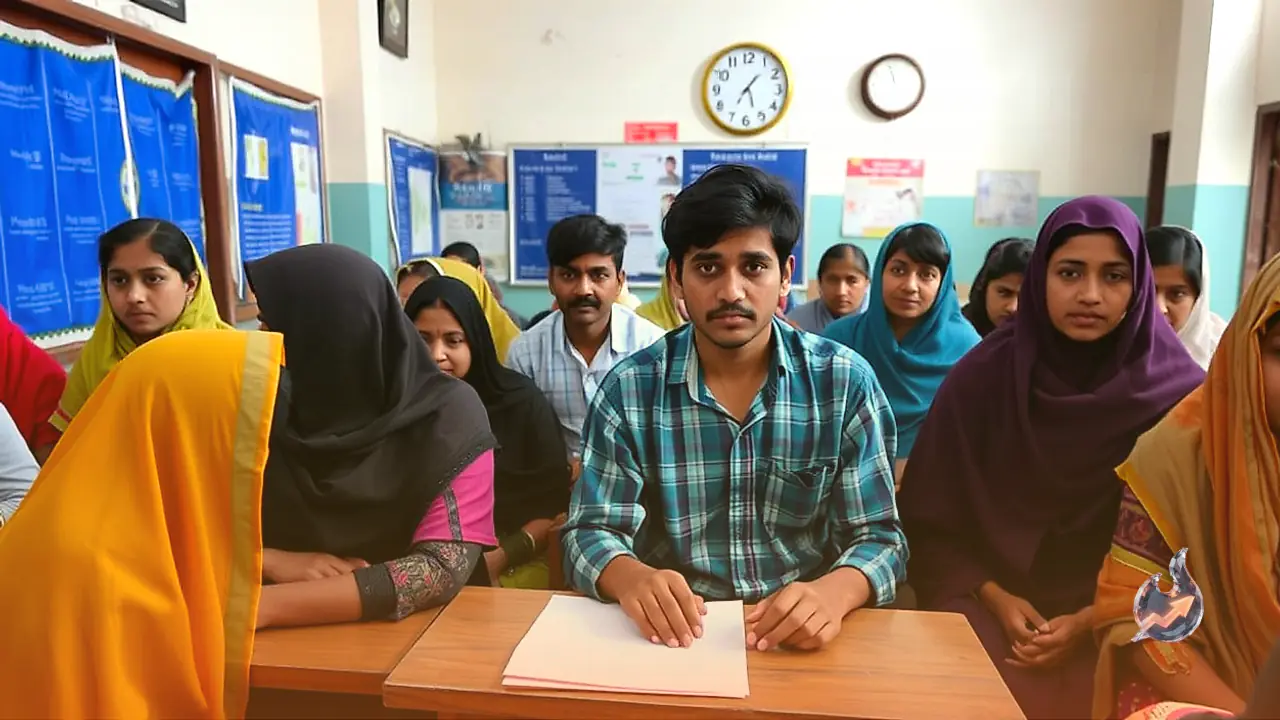
Availing of the financial assistance requires growers to complete an official registration process supported by specific documentation. Applicants must supply their Aadhaar card identification along with an active mobile contact number. Crucially, detailed revenue records of the proposed plot must be furnished, including the precise land area, khata number, and khasra designations to verify ownership.
Once the paperwork is compiled, the application requires official endorsement. It must be signed by an elected public representative or an authorised administrative official, such as the Block Agriculture Officer or the Block Technology Manager (BTM). The verified application is subsequently submitted to the horticulture department office, where departmental personnel review the land particulars and complete site validations before initiating flower cultivation on the approved parcel.
Sustainable Self-Employment for Rural Youth and Growers
Ultimately, this initiative presents an effective mechanism for agrarian families looking to commercialise their existing acreage without incurring heavy debt. Because the horticulture department covers the entire expenditure associated with the project, participants avoid personal financial liability while entering an established trade. With the presence of the Baba Baidyanath temple anchoring sustained demand in Deoghar, commercial floriculture offers local youth and cultivators a dependable source of regular income and independent enterprise within their home territory.