





















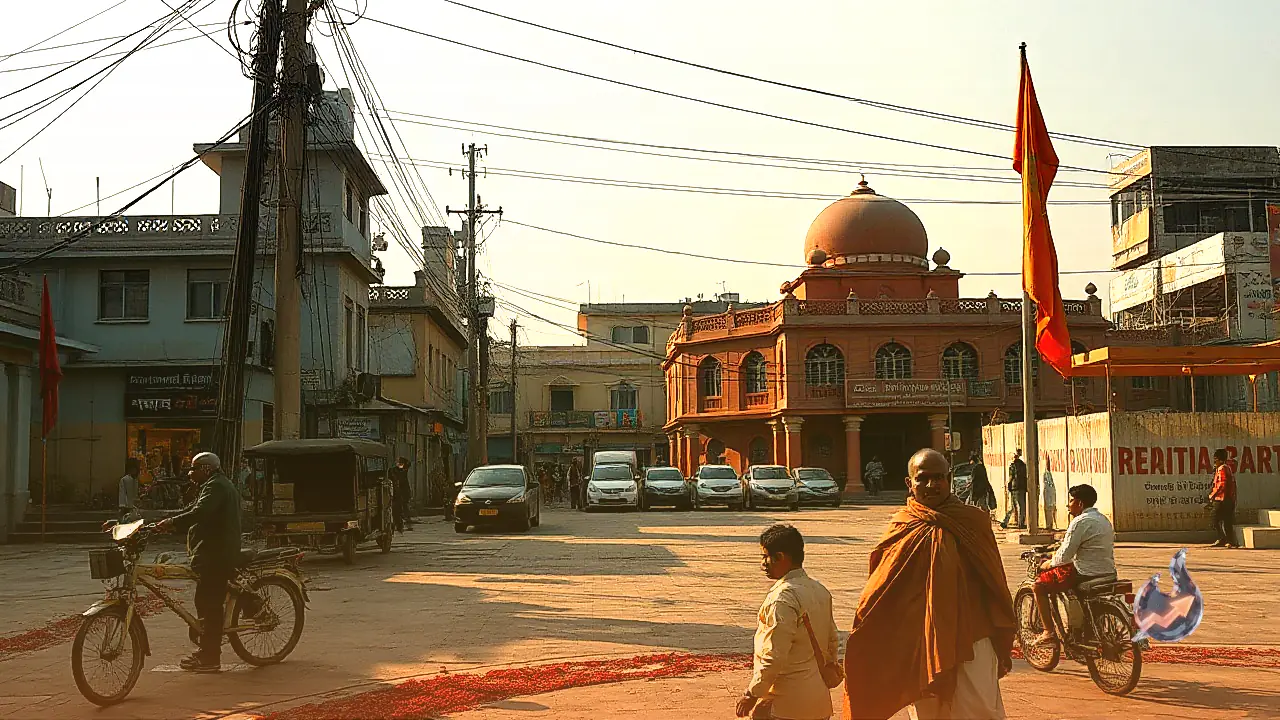

On the occasion of Gandhi Jayanti, citizens across different neighbourhoods of Jamshedpur reflected on their daily lives through the lens of Mahatma Gandhi's core principles. The conversations examined how deeply values such as truth, non-violence, indigenous goods, and cleanliness are practiced amidst modern societal challenges. Rather than offering textbook answers, local residents shared candid personal memories, blending humorous childhood confessions with serious reflections on civic responsibility.
Reflections on Honesty and Traffic Regulations
Addressing the concept of truthfulness, Rohan acknowledged that he had resorted to lying on multiple occasions during his life. Recalling a specific childhood incident, he shared how he once stepped out of his house promising to return in just 10 minutes, only to wander away with friends for an outing. When he finally returned home, he faced severe scolding from his family members. Turning to systemic integrity, Rohan also shared his observations regarding traffic checks. He pointed out that when caught without helmets, many individuals attempt to bypass formal challans by handing over 200 or 500 rupees to avoid penalties, even though official fines are often much higher.
Social Media Verifications and Preference for Domestic Products
Speaking on modern dilemmas surrounding truth in the digital era, Badal admitted that he had previously circulated unverified posts across social media platforms. He explained that some updates initially appeared to be lighthearted cartoons or emoji-laden humor, but later turned out to carry serious ramifications. Following the incident, his friends reprimanded him sharply for forwarding content without verification. Badal emphasized that he firmly supports raising one's voice against corrupt practices such as bribery.
When the topic shifted to swadeshi and indigenous manufacturing, Manoj explained that he consistently prioritizes purchasing Indian goods. Whether choosing a motorcycle or selecting household electronic appliances, he prefers supporting domestic brands. Manoj also recounted a humorous yet cautionary childhood memory involving honesty, recalling how he once forged his father's signature on an examination copy. When the deceit was eventually uncovered, he received severe scolding along with physical punishment at home.
Childhood Excuses and the Principles of Protest
Discussing non-violence and social interactions, Jitendra shared an amusing anecdote from his school days. In an attempt to convince a friend's mother to let him join a football match, he fabricated an excuse claiming their companion was admitted to a hospital. The two boys proceeded to play football, but when the falsehood came to light, both faced an intense reprimand from their parents.
Meenu recounted a domestic altercation from her youth where, during an argument with her sister, she struck her using a pen. While she initially denied the act when questioned by family elders, the truth surfaced quickly, leading to a firm scolding. Commenting on violent demonstrations in contemporary society, Meenu observed that while methods of protest often depend on specific circumstances, citizens must always choose responsible, thoughtful, and non-violent avenues to communicate their grievances.
Cleanliness and Active Citizenship
Lovely shared that she had frequently lied to her parents simply to step out and spend time with friends. However, she also detailed a notable incident demonstrating civic responsibility and calm thinking. When an acquaintance met with a road accident, Lovely immediately noted down the registration number of the vehicle involved and reported it to the local police. Her presence of mind and swift action earned widespread praise from her peers.
On the subject of cleanliness, Pooja explained that she actively maintains hygiene not just at home, but also takes initiative when spotting litter across schools, colleges, and neighborhood streets. According to Pooja, just as individuals preserve their personal households, the entire nation belongs to all citizens, making cleanliness a shared individual obligation.
Collective Growth and Enduring Values
Examining commercial ethics and social solidarity, Sukhdev discussed his commitment to truthful dealings and mutual collaboration. He remarked that within commercial marketplaces, established individuals occasionally try to suppress or discourage newcomers entering trade. Sukhdev asserted that genuine economic and social progress occurs only when people support each other and advance collectively.
The accounts shared by Jamshedpur locals highlight both the mischievous indiscretions of youth and the maturity to acknowledge past wrongdoing. These personal reflections demonstrate that Mahatma Gandhi's core teachings continue to resonate within ordinary routines, proving that ethical consciousness remains an integral part of community life.