
Political activity in Jharkhand has intensified ahead of the introduction of the delimitation bill in Parliament. In response, the Jharkhand Mukti Morcha convened a meeting of all its MPs at the official residence of Chief Minister Hemant Soren. All six party MPs attended the session, including Lok Sabha members Nalin Soren and Vijay Hansdak, alongside Rajya Sabha members Mahua Majji, Sarfaraz Ahmad, and Baidyanath Ram. During the gathering, the Chief Minister distributed copies of the bill's draft to every parliamentarian and instructed them to seek expert opinion on the matter.
MP reactions and the path ahead
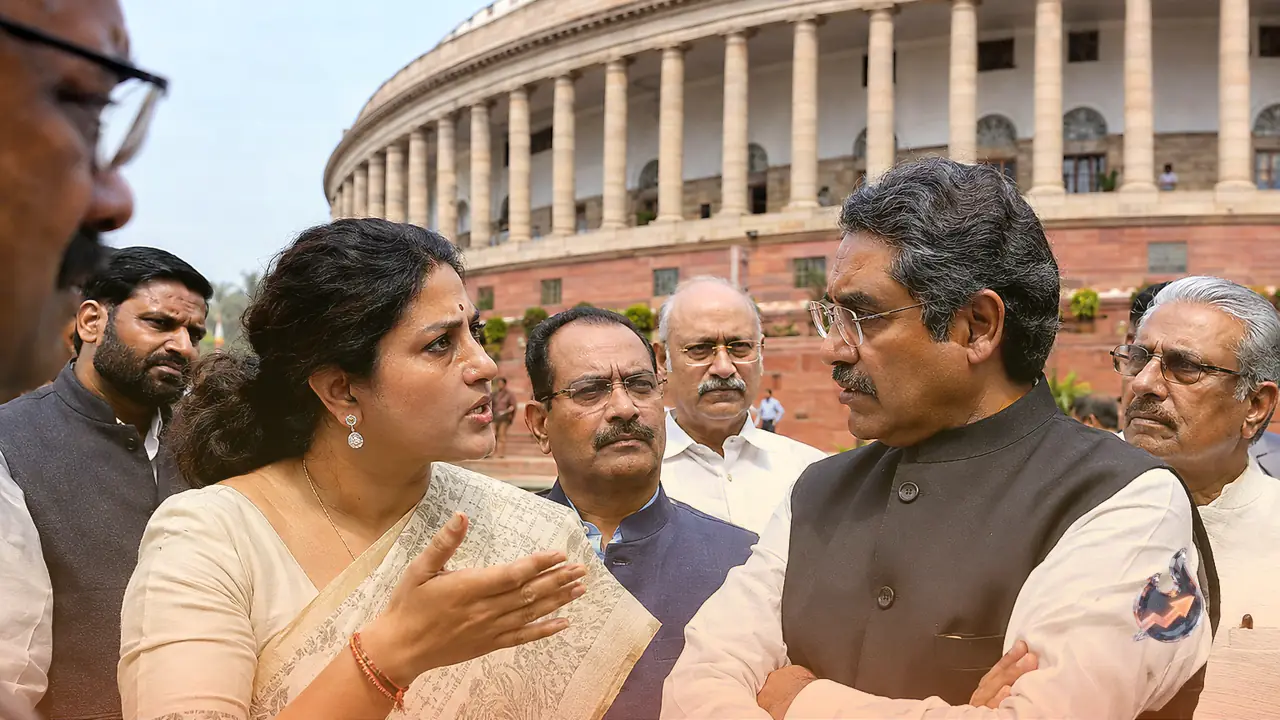
Following the nearly one-hour meeting at the chief ministerial residence, Lok Sabha MP Nalin Soren addressed the media, stating that the draft would be thoroughly reviewed first. He indicated that if the proposed legislation increases tribal reserved seats proportionally, the party could consider supporting the bill. However, he emphasized that a definitive conclusion would be reached only after a complete reading of the text and consultations with subject experts.
Focus on tribal welfare and state interests
The party legislators reiterated that they intend to study the document in detail before taking any further steps. Expert advice will be factored in before holding another round of discussions with Chief Minister Hemant Soren. While no final decision has been formalized yet, the leadership maintains that any future stance will strictly prioritize the welfare of tribal populations and the broader interests of the state.
Key modifications in the bill and emerging questions
The government has introduced two major alterations in the current version of the bill. First, the delimitation process has been decoupled entirely from the upcoming census. Second, a uniform 50 percent increase in Lok Sabha seats across all states has been proposed. Proponents argue that this adjustment will clear the path for implementing women's reservation. Conversely, critics have questioned the underlying rationale for expanding seats by 50 percent once the strict requirement of population proportion is removed.