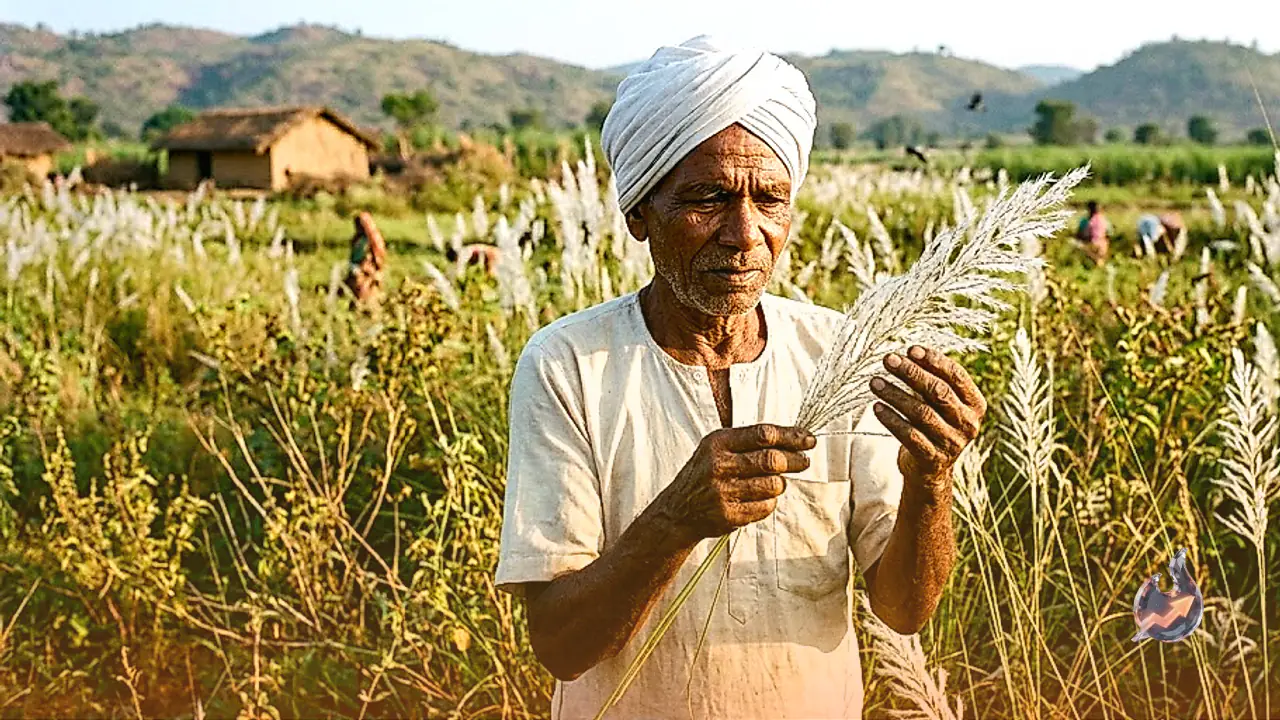























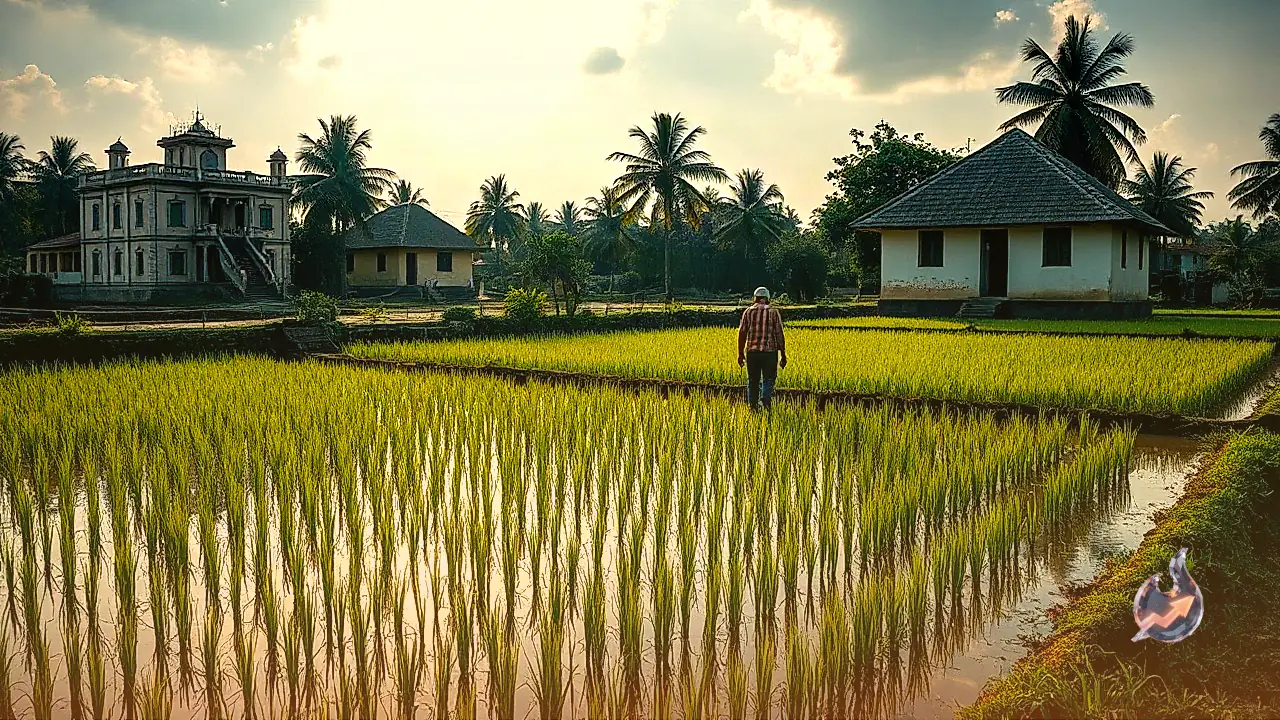

Agriculture in regions like Palamu heavily depends on the erratic behavior of monsoon showers. Situated within a rain shadow zone, the area typically receives lower rainfall compared to other parts, creating persistent challenges for farmers during the kharif season. Paddy remains one of the primary traditional crops grown here, where farmers prepare nurseries and wait anxiously for adequate rainfall before proceeding with transplantation in their fields.
Monsoon Delays and September Transplantation
Dr. Pramod Kumar, an agricultural scientist in Palamu district, explained that deficient rainfall in the early stages of this year's monsoon created significant obstacles for paddy cultivators. However, substantial and sometimes excessive rainfall received in August revived hopes among the farming community. With water availability increasing in the fields, several farmers resorted to transplanting paddy even during the month of September, holding onto the expectation that their crop would mature despite the late start.
The Rising Threat of Falling Temperatures
Farmers opting for September transplantation must account for several critical factors. Ordinarily, timely transplantation provides the crop with an adequate duration to complete its natural life cycle. However, planting as late as September extends the crop duration, leaving the standing crop in the fields well into November and December. During this period, ambient temperatures begin to drop steadily.
Impact on Plant Growth and Grain Filling
Reduced temperatures can severely impact vegetative growth, tillering, and the grain-filling process in paddy. Increased cold conditions hinder the plant's ability to develop shoots and properly fill grains, directly translating into diminished overall yields. This vulnerability is why farmers engaged in late-season transplantation must exercise special care regarding comprehensive crop management.
Nutrient Management and Balanced Fertilization
Experts emphasized that providing adequate nutrition to late-sown crops is extremely vital. Farmers should apply balanced quantities of fertilizers determined by soil conditions and crop requirements. In particular, the application of potash can help strengthen plants and improve crop resilience against adverse weather conditions. Rather than arbitrarily increasing fertilizer doses, consulting local agricultural experts and conducting soil tests remains the recommended approach.
Fodder Requirements and Avoiding Fallow Fields
Despite the delayed transplantation, farmers prefer keeping their fields cultivated rather than leaving them vacant. A major reason behind this decision is that paddy cultivation yields not only grain for human consumption but also vital fodder for livestock. Even if the overall yield is lower compared to timely crops, farmers view it as a valuable dual-purpose resource.
Regular Monitoring and Water Regulation
Consequently, farmers transplanting paddy in September must maintain regular surveillance over their fields, sustain required water levels, and prevent any nutrient deficiencies. Delivering sufficient nourishment and executing timely field management before winter temperatures fully set in will help safeguard productivity levels.