





















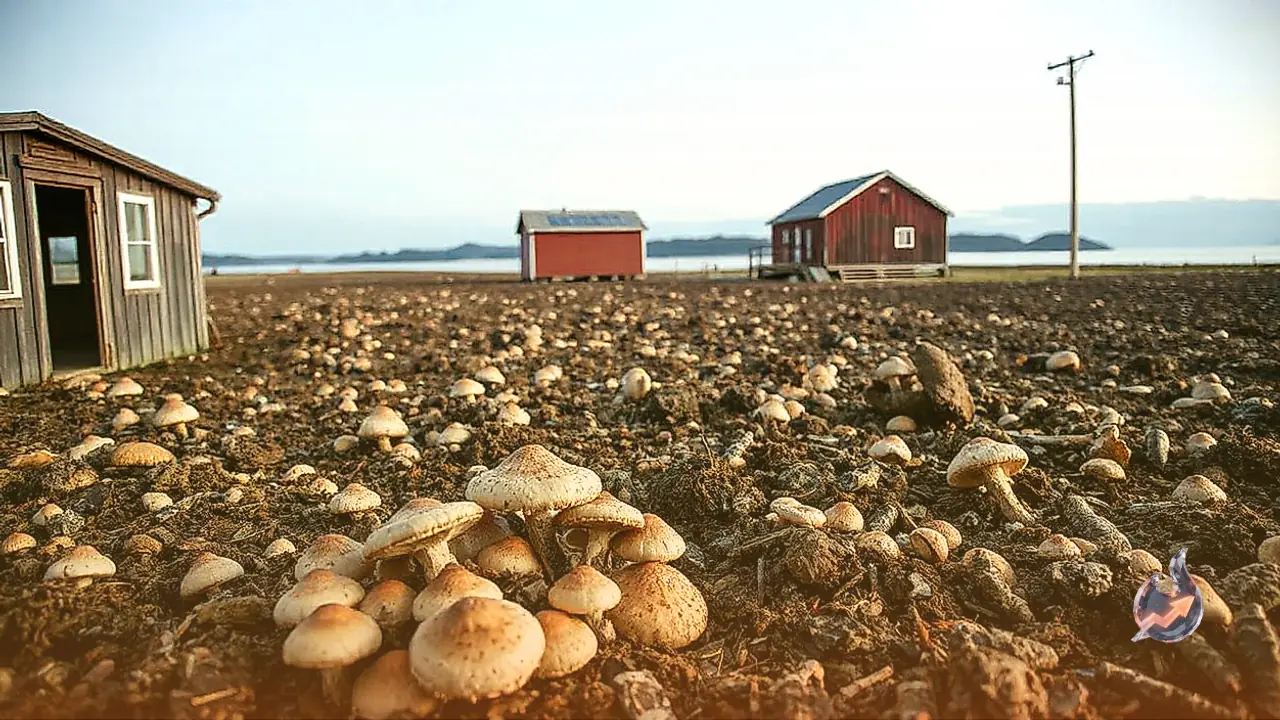

Indoor mushroom farming offers an accessible and lucrative income source for agricultural producers seeking steady returns on modest capital. The months from November through February provide the most favorable climate for mushroom cultivation, offering natural temperature conditions well suited for fungal growth. However, achieving success in this venture begins with picking the right strain. Novice growers often rush toward button or milky varieties under the impression that they offer higher returns, only to encounter unexpected operational challenges. In Deoghar, mushroom trainer Ranjit Jha points out that newcomers should bypass these sensitive options and instead choose oyster mushrooms, widely known as dhingri, which demand minimal capital, effort, and turnaround time.
Why First-Time Cultivators Should Avoid Button And Milky Varieties
Commercial interest in button and milky mushrooms frequently misleads beginners into assuming that higher retail prestige automatically translates into bigger profits. Real profitability in agriculture depends not just on final market rates, but also on initial input costs, labor intensity, environmental sensitivity, and the accessibility of distribution channels. Button mushroom production requires meticulously prepared compost, strict temperature moderation, and constant vigilance, making it unforgiving for beginners. In contrast, oyster mushrooms provide a resilient learning curve with a low risk of total crop failure. Rushing into expensive, high-maintenance crops without prior experience often results in setbacks, making the simpler oyster variety the rational starting point.
Minimal Space Requirements And Use Of Crop Residues
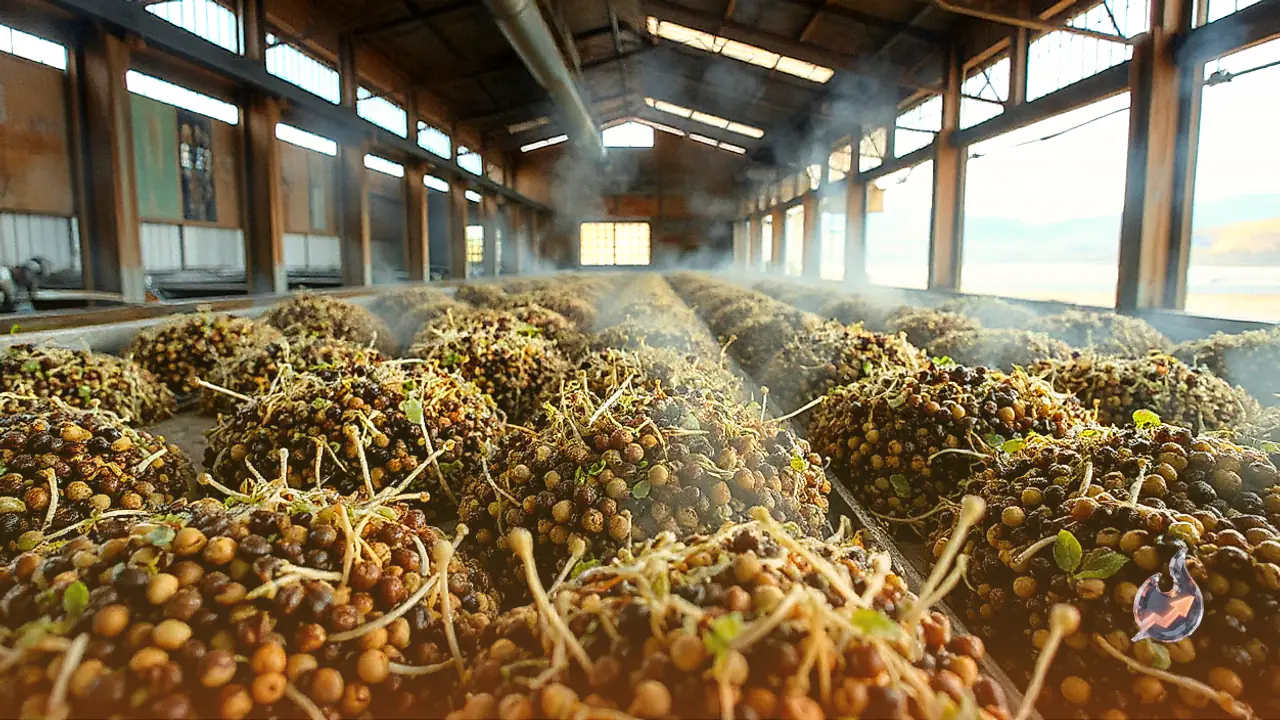
A major advantage of cultivating oyster mushrooms is that they do not require open agricultural land or large fields. Farmers can set up cultivation racks inside any vacant room, shed, or compact corner of their household. The primary substrate consists of readily available agricultural leftovers such as paddy straw, keeping raw material expenses negligible in rural and peri-urban regions. This setup eliminates the need for heavy initial investment. Compared to the technical hurdles of button mushroom cultivation, the process for oyster mushrooms is straightforward. With proper basic training, regular room cleanliness, and attention to ambient temperature and moisture levels, growers can launch on a modest scale. Once established, production volumes can expand gradually to keep pace with growing demand.
Local Market Demand And Pricing Trends
Oyster mushrooms maintain consistent demand across regional distribution centers and grocery outlets. In local retail environments, fresh produce can secure prices close to 200 rupees per kilogram. These market rates can fluctuate depending on geographical location, seasonal supply volumes, and overall buyer interest. To protect against marketing challenges after harvest, cultivators should proactively network with local vegetable vendors, hotels, catering outfits, and restaurants before planting begins. Establishing these commercial connections early ensures that perishable stock moves immediately upon harvest, allowing growers to secure fair farmgate realizations without relying on exploitative middlemen.
Building A Rural Enterprise Through Structured Training
Aspiring agricultural entrepreneurs planning their launch during the November window should prioritize foundational training over haste. Skipping technical instruction to immediately pursue button or milky crops often leads to avoidable financial strain. Instead, prospective cultivators should study oyster production methods, attend hands-on workshops, and pilot small batches at home. The combination of minimal space constraints, negligible setup capital, and solid local realizations of roughly 200 rupees per kilogram makes this an accessible livelihood generator. Armed with proper methodology and local market awareness, farming households can transform an unused room into a profitable micro-enterprise.