
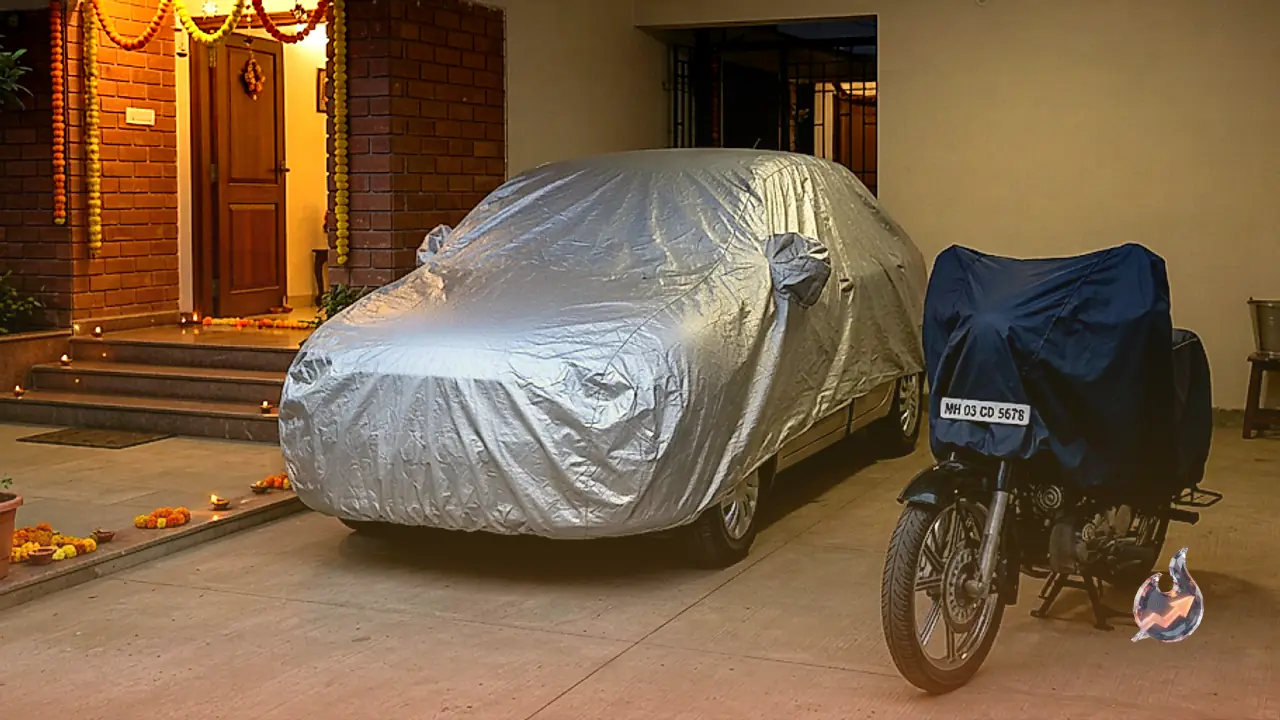















Once the celebrations of Deepawali draw to a close, households typically turn to the task of cleaning and organizing leftover ceremonial items. During the grand festival of lights, devotees worship Goddess Lakshmi and Lord Ganesha before illuminating every corner of their living spaces with earthen lamps. These lamps, systematically aligned along main entrances, courtyards, rooftops, balconies, and windowsills, bring a distinctive divine aura to the surroundings. However, once the festive night ends, families often face uncertainty regarding how to handle the used clay lamps. While some discard them with routine garbage, others leave them neglected in corners. Astrologer Akhilesh Pandey from Rishikesh explains that throwing used ritual lamps into the trash is inappropriate, emphasizing that Vastu Shastra provides clear guidelines for their proper preservation and disposal.
The Variety and Ritual Significance of Festive Lamps
Devotees light an array of lamps on Diwali evening depending on tradition and household customs. In home temples, a pure clarified butter ghee lamp is customarily lit before the deities, whereas mustard oil or sesame oil lamps are positioned outdoors along boundary walls and thresholds. Households employ diverse designs, ranging from simple unglazed clay diyas and five-faced lamps to brightly painted and elaborately designed ceremonial lamps. While decorative and artistic varieties are popular for beautifying open terraces and entryways, simple traditional earthen lamps remain central to the core religious ceremony. From the perspective of Vastu Shastra, every lamp lit during the festival carries sacred energy, making it vital to treat them with reverence long after the flames have subsided.
How to Clean, Store, and Reuse Intact Clay Diyas
Traditional teachings emphasize that ritual objects should never be disrespected, left scattered across floors, or allowed to gather household dirt. The morning following the festival, once the oil has dried and the wicks have fully cooled, families should carefully sort the lamps. Earthen lamps that remain completely intact and show no fractures should be separated from the rest. These sound diyas ought to be washed thoroughly with water, wiped clean, and left to dry in natural sunlight. Once dry, they can be stored in clean cartons or containers in a designated storage area. As long as they remain in excellent condition, these preserved lamps can be utilized again for upcoming religious fasts, routine worship ceremonies, or the next Diwali celebration.
Guidelines for Safely Discarding Broken and Cracked Diyas
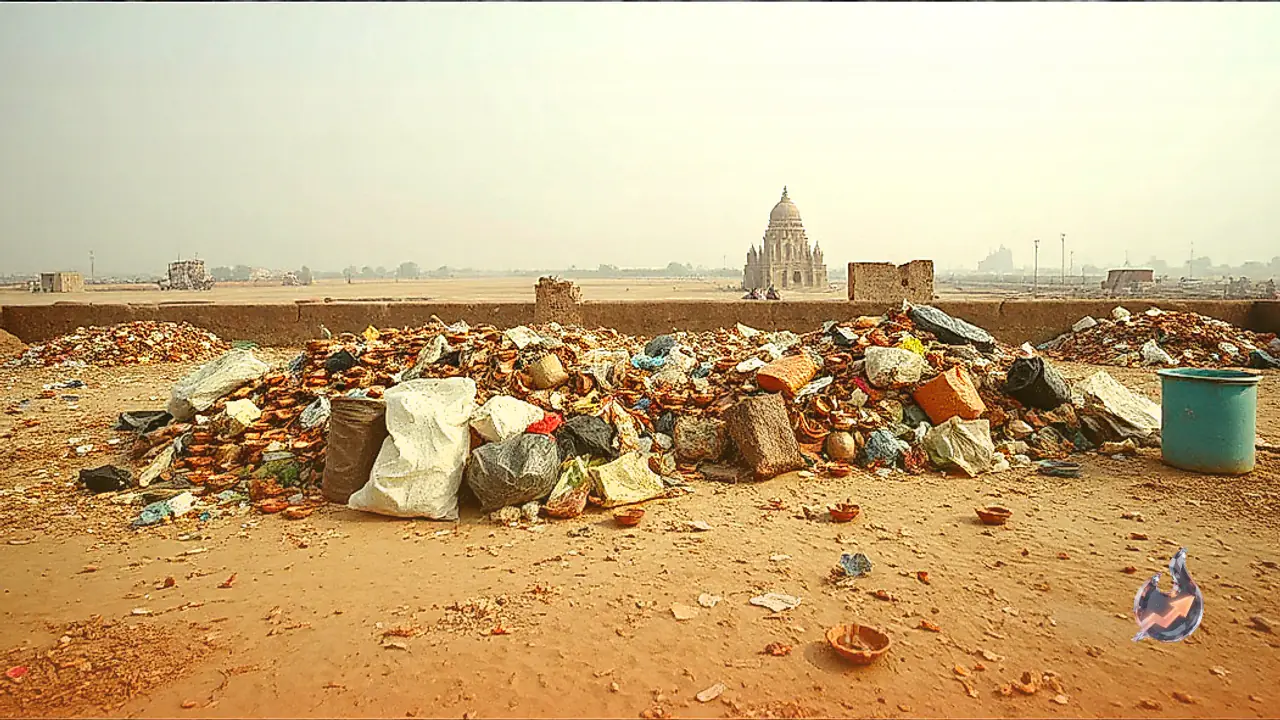
Lamps that suffered damage, chipping, or thermal cracking during the burning process require entirely different handling. According to Vastu Shastra, keeping fractured or damaged worship items inside a household temple or domestic space invites disharmony and negative energies. These broken lamps should not be allowed to accumulate in corners, nor should they be thrown into dustbins, sewage drains, or dirty dumping grounds. The most auspicious and ecologically sound method of disposal is to bury the broken clay pieces in clean soil in a garden or under a tree. Because they are crafted from natural clay, they naturally decompose and reintegrate with mother earth, maintaining environmental purity while honoring spiritual protocols.