





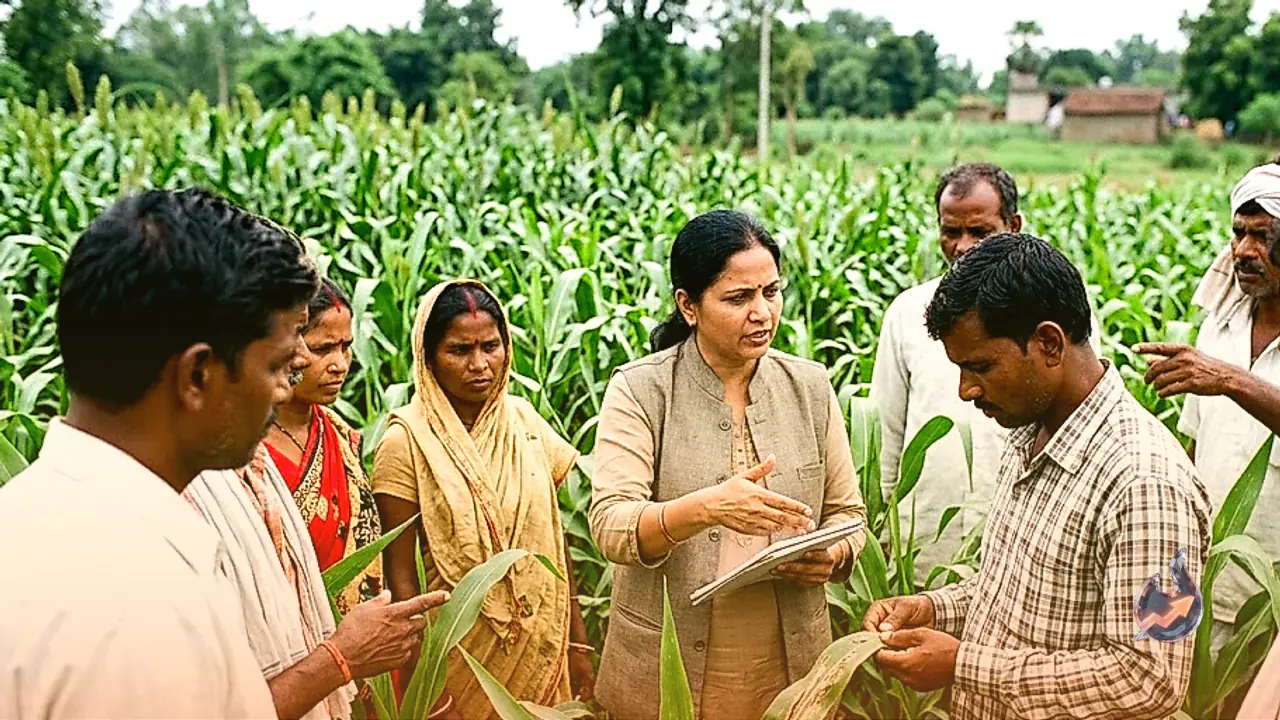
















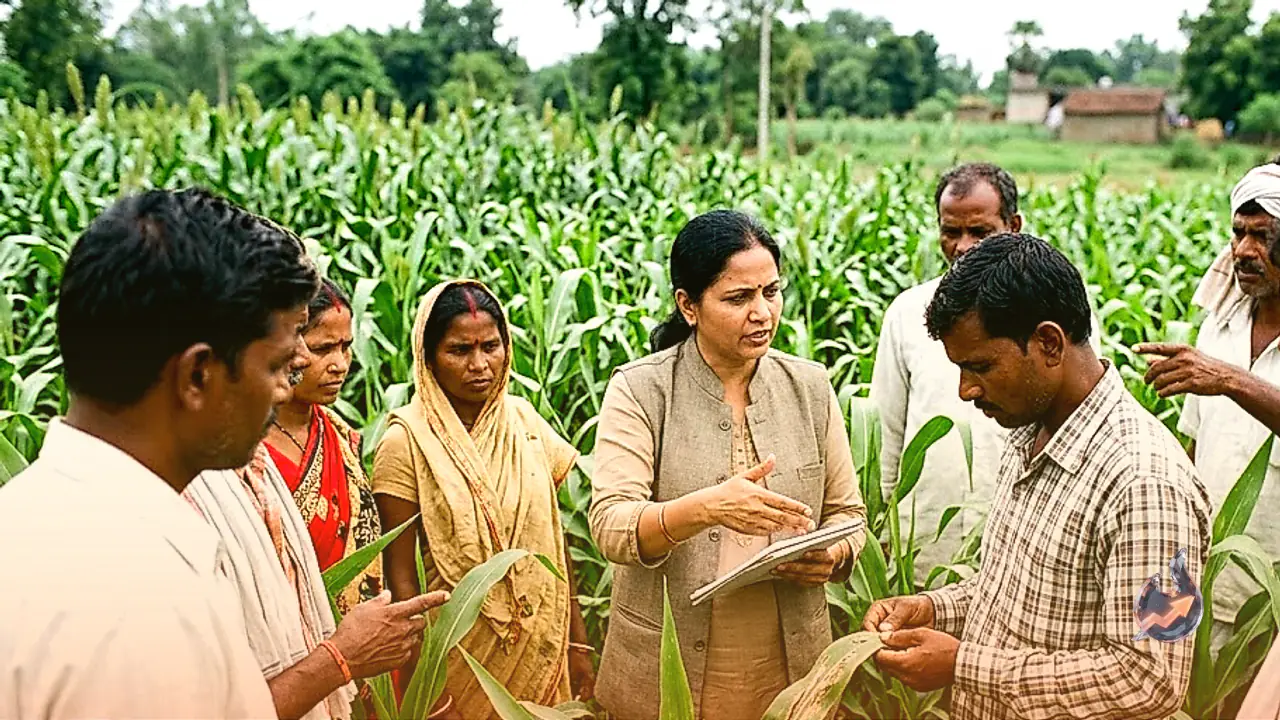

In the Bokaro district of Jharkhand, farmers are steadily diversifying their traditional paddy and wheat rotations by cultivating nutritious coarse grains. Among these millets, sorghum stands out as a vital crop for local food security and rural farm earnings. However, without systematic crop management and vigilant pest monitoring, sorghum fields remain highly susceptible to destructive insects and debilitating fungal diseases. Unchecked outbreaks frequently trigger severe yield reductions, saddling growers with substantial financial losses. Addressing these operational challenges, Dr. Sushma Saroj, an agricultural scientist stationed at the Bokaro Krishi Vigyan Kendra, has outlined practical identification markers and comprehensive control protocols to shield sorghum acreage from common agronomic threats.
Tackling Stem Borer Infestations Through Targeted Chemical Sprays
According to Dr. Sushma Saroj, the stem borer represents the single most prevalent and damaging insect pest across standing sorghum fields. The biological life cycle of this pest encompasses four distinct metamorphic phases: the egg, larva, pupa, and adult moth. Among these developmental stages, the larval or caterpillar phase inflicts the maximum physical damage on the crop canopy.
The stem borer larva penetrates the plant by drilling directly into the stem tissues. Once inside, it feeds on internal vascular structures, causing the central shoot of the sorghum plant to wither and dry up completely. This typical damage pattern halts normal plant development and diminishes overall crop vigor. To curtail stem borer populations, growers can deploy a targeted chemical spray by dissolving either chlorpyrifos or profenofos at a rate of 1.5 ml to 2 ml per liter of water, thoroughly spraying the solution across the affected acreage to resolve the problem.
Suppressing Armyworms: Summer Plowing, Field Sanitation, and Emamectin Benzoate
Another major insect pest capable of crippling sorghum harvests is the armyworm. The voracious larvae of this insect feed aggressively on green foliage, stripping the leaves and weakening the plant. Because the armyworm hides within the topsoil during its early life cycle, timely soil cultivation serves as a critical cultural defense. Conducting deep plowing during hot summer conditions exposes subterranean larvae and dormant stages to intense direct sunlight, which naturally kills off the pests before planting begins.
Maintaining strict field sanitation and systematically clearing crop debris further eliminates hiding habitats, significantly lowering the odds of pest re-infestation across consecutive planting cycles. When armyworm activity surfaces within the standing crop, farmers can achieve effective chemical control by spraying a solution of 5% emamectin benzoate formulated at 1 ml per liter of water across the foliage.
Managing Blight and Brown Leaf Spot Via Seed Treatment and Crop Rotation
Beyond insect damage, sorghum yields are repeatedly threatened by pathological disorders, specifically blight and brown leaf spot diseases. When these infections take hold, characteristic discolored spots emerge across the leaf surfaces. These pathological problems are primarily introduced into the field through infected or untreated seeds. If left unchecked, the foliar lesions spread, causing the foliage to wither prematurely and stunting overall vegetative growth.
To check the persistence of blight and leaf spot pathogens, farmers must destroy old crop residues and eradicate wild weed hosts while adhering strictly to seasonal crop rotations. Implementing pre-sowing seed treatments offers the most reliable safeguard. Treating planting seeds prior to sowing with proven fungicides such as mancozeb or carbendazim neutralizes seed-borne inoculums, shielding young seedlings from foliage blights and ensuring robust plant development throughout the growing season.