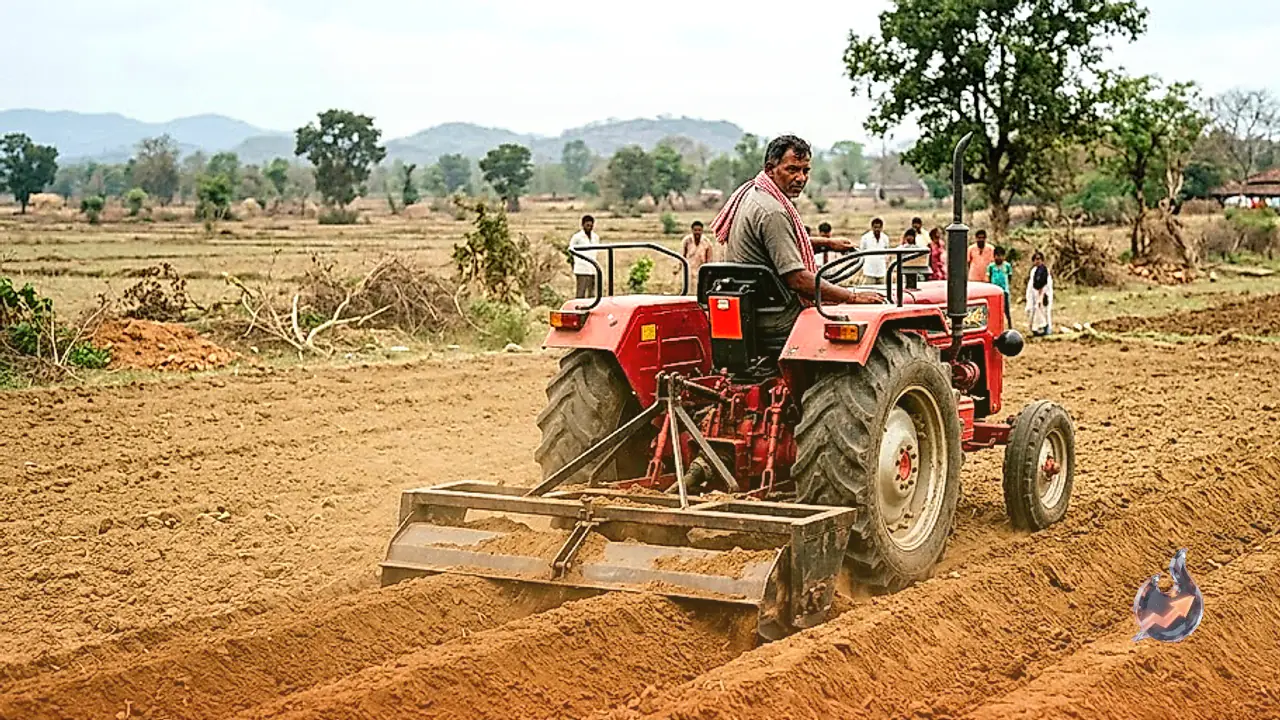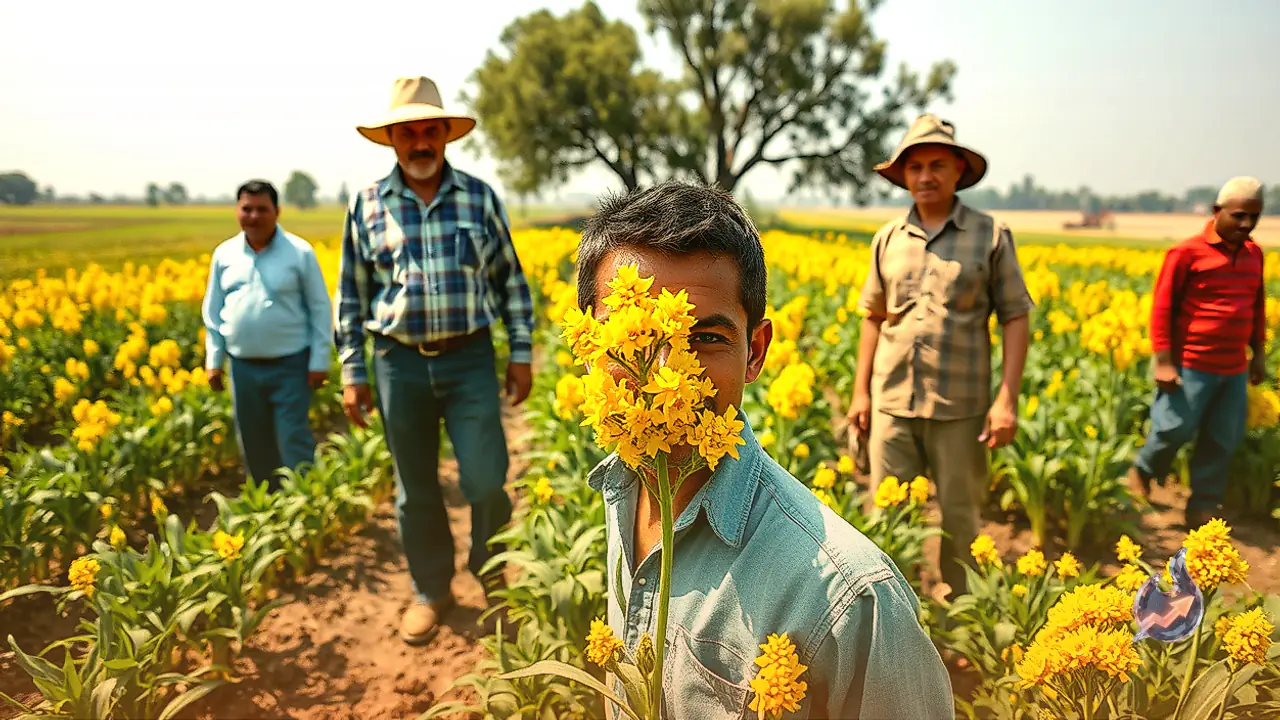





















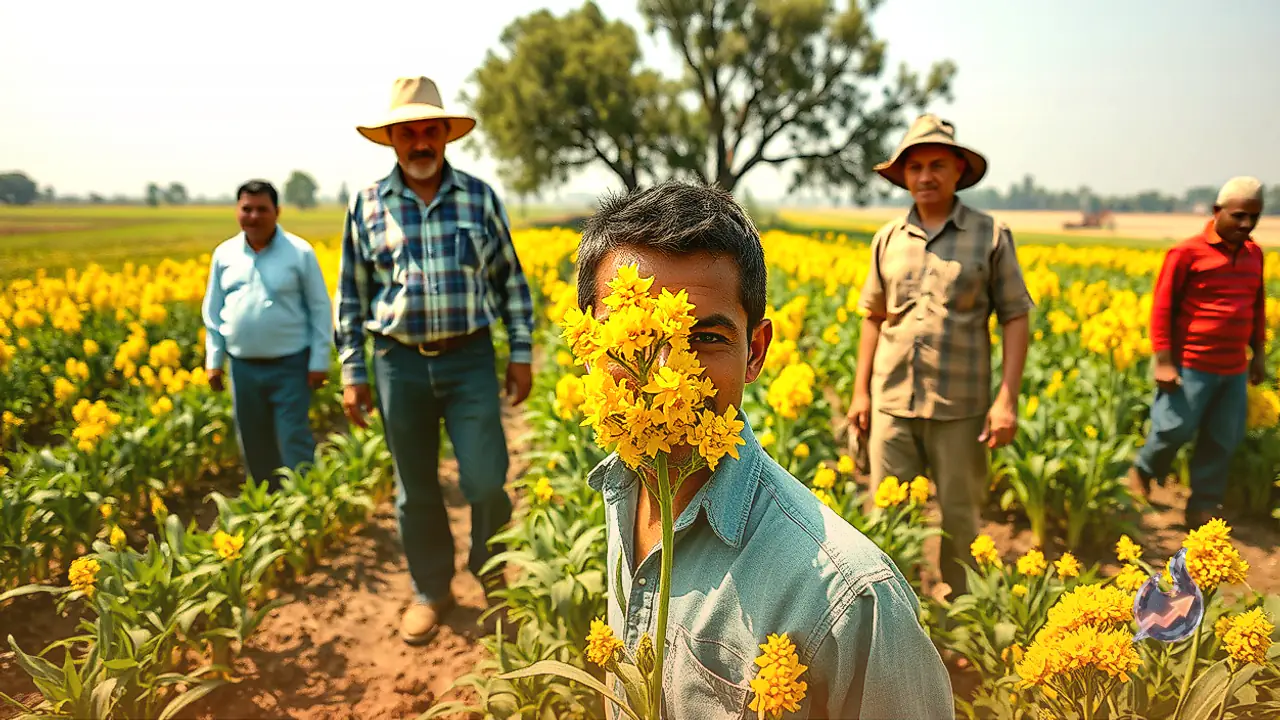

During the Rabi season, cultivating mustard can serve as a lucrative avenue for agricultural producers aiming to maximize their revenue. In areas like Palamu in Jharkhand where irrigation facilities remain restricted, managing water-intensive crops poses a major challenge. In such locations, farmers can successfully opt for mustard cultivation, which requires significantly less water compared to wheat and involves relatively lower input costs while maintaining steady market demand for edible oils.
Bridging the Domestic Production Gap
Agricultural scientist Pramod Kumar stated that India consumes roughly 25 million tons of edible oil annually. Out of this total requirement, approximately 11 million tons are produced domestically, while the remaining deficit is fulfilled through imports. To address this widening demand and enhance domestic output, the cultivation of oilseed crops such as mustard and soybean needs active promotion. Palm oil also constitutes a major portion of the overall edible oil consumption pattern across the country.
Advanced Hybrid Varieties for Better Yield
Several high-performing hybrid variants are currently available in the market to help growers secure substantial profits. Prominent choices include Pioneer 45S46 and 45S42, Shriram 106, Advanta 414, and Crystal 5222. These particular strains are widely recognized for their superior yield potential. Although their purchase price exceeds that of conventional seeds, reaching up to around 1200 rupees per kilogram in the market, their robust productivity justifies the investment.
Minimal Seed Requirement per Acre
Cultivating these advanced hybrid mustard seeds requires a remarkably small quantity of inputs. Growers generally need only about one kilogram of seeds for an acre of land, while roughly two and a half kilograms are sufficient for a full hectare. However, this seed rate may vary slightly depending on the specific variety and the chosen sowing method. Maintaining proper plant spacing, applying balanced fertilizers, and timing irrigation correctly ensures a bountiful harvest.
Birsa Bhabha-1 as an Alternative Choice
Apart from commercial hybrid options, farmers can also select the Birsa Bhabha-1 variety developed by the agricultural science center. Available data indicates that this crop matures within approximately 115 to 120 days. Its estimated production capacity ranges around 15 to 16 क्विंटल per hectare. Growers are advised to consult local agricultural experts before finalizing their choice of seed.
Ideal Sowing Timeline and Low Water Needs
The primary advantage of mustard lies in its minimal water requirement compared to wheat crops. Proper soil moisture is essential for successful establishment. Farmers in Jharkhand can plan their sowing schedules based on local weather conditions and soil hydration levels. Generally, the month of October is considered ideal for sowing mustard, whereas any decision to plant in September must account for local weather patterns and seed characteristics to ensure optimal growth and profitability.