




















Integrating fruit cultivation alongside traditional crops has emerged as a viable pathway for growers seeking to boost their agricultural incomes. While residents in Koderma typically plant a few papaya trees in home gardens or small portions of land solely for domestic use, scaling up production through scientific techniques can unlock substantial commercial gains. Senior agricultural scientist Dr. Ajay Kumar Rai at the Koderma Krishi Vigyan Kendra shared detailed insights regarding cultivation methods, high-yielding varieties, optimal plant spacing, and expected production yields during a detailed discussion.
Two harvest cycles possible within eighteen months
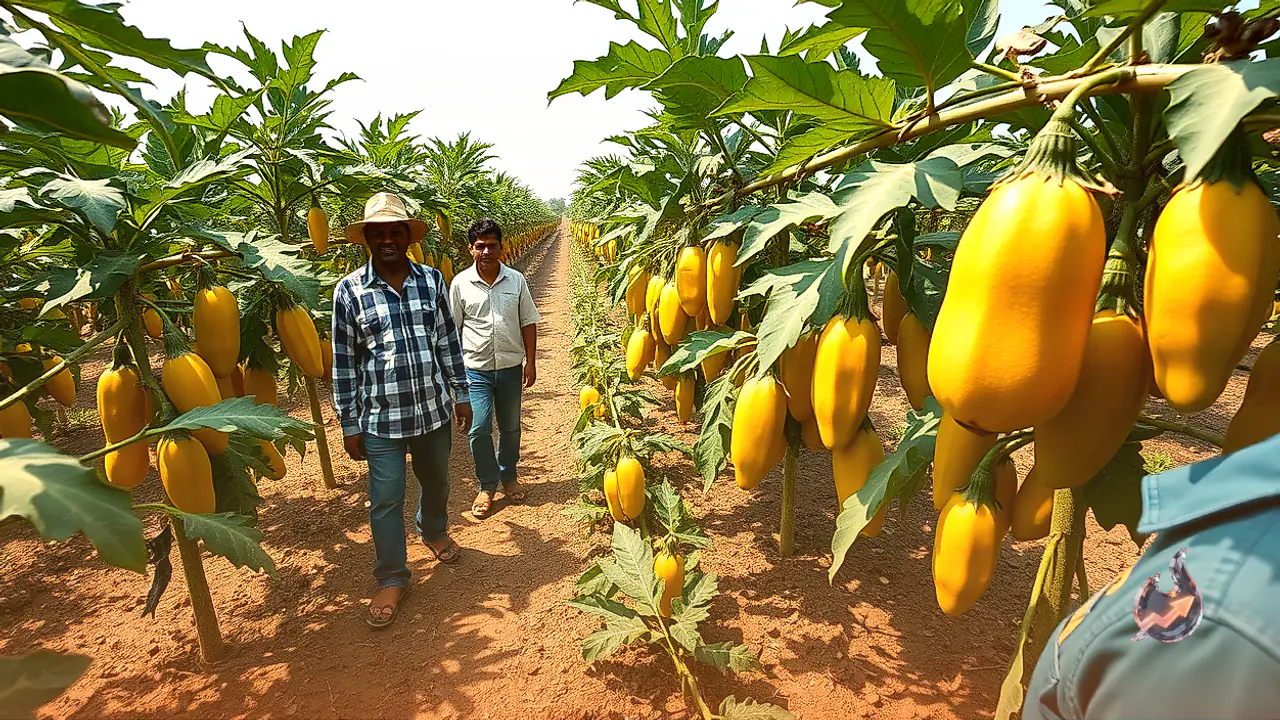
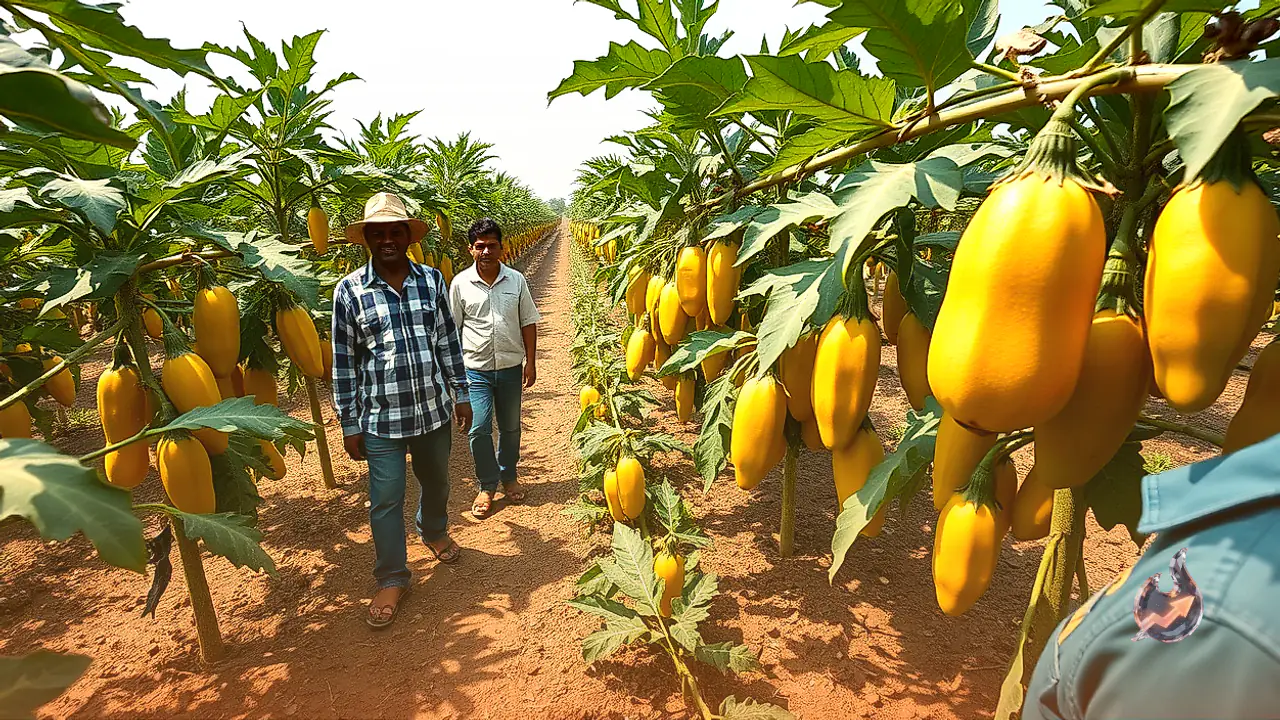
Papaya ranks among the fruit crops known for delivering rapid production within a short timeframe. Under proper management and favorable environmental conditions, plants begin bearing usable fruit in approximately eight to nine months from planting. The entire crop cycle spans roughly one to one and a half years, accommodating two distinct harvesting phases during this window. The initial harvest yields roughly fifty to sixty kilograms of fruit per plant, while the subsequent harvest contributes an additional thirty to thirty-five kilograms of production. Consequently, a single plant generates a cumulative output ranging between seventy and eighty kilograms.
Selecting high-performing varieties like Red Lady and Pusa
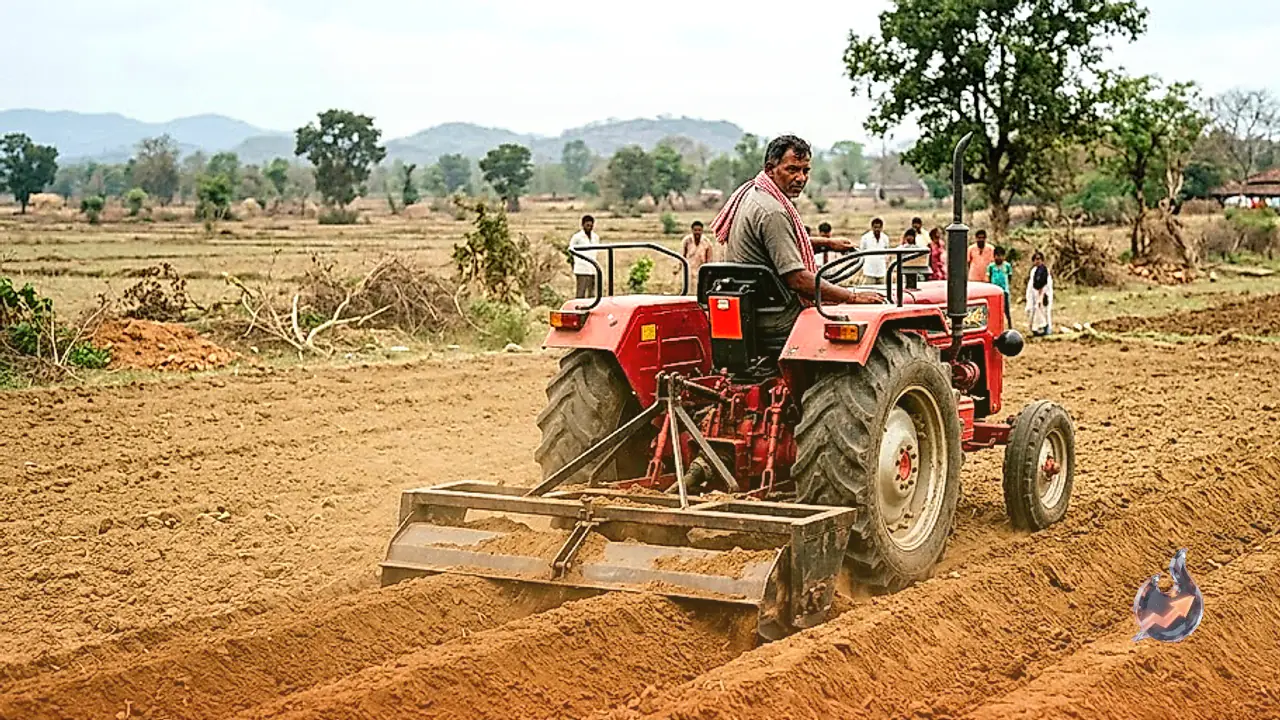
Initiating a successful papaya plantation requires selecting premium quality seeds and appropriate plant varieties tailored to local conditions. Farmers can choose from established varieties such as Red Lady and Pusa alongside various private sector options available in the market. Growers should evaluate regional weather patterns, soil profiles, and market demands before finalizing their seed selection. Cultivation begins by raising healthy seedlings in a dedicated nursery before transplanting them onto structured ridges in the main field. This systematic arrangement facilitates routine field management, irrigation, and ongoing crop maintenance.
Maintaining a two-meter spacing between plants
Maintaining proper spatial intervals between growing plants is critical for maximizing orchard productivity and operational efficiency. Agricultural experts emphasize keeping a two-meter distance between adjacent planting rows, as well as maintaining a two-meter gap between individual plants within the same row. This adequate spacing provides ample room for root expansion and canopy growth while simplifying mechanical weeding, irrigation management, and other essential farming operations. Incorporating well-decomposed farmyard manure during initial land preparation is also strongly recommended to sustain soil fertility and structural integrity.
Estimating earnings of up to three lakh rupees from one hundred plants
Commercial papaya farming presents a lucrative opportunity for rural income enhancement under optimal management practices. Achieving an average revenue of approximately three thousand rupees per mature plant translates to a projected total earning of around three hundred thousand rupees from a baseline of one hundred plants. While actual financial outcomes remain subject to environmental variables and fluctuating market conditions, this realistic projection highlights the profitability achievable when favorable circumstances align.