













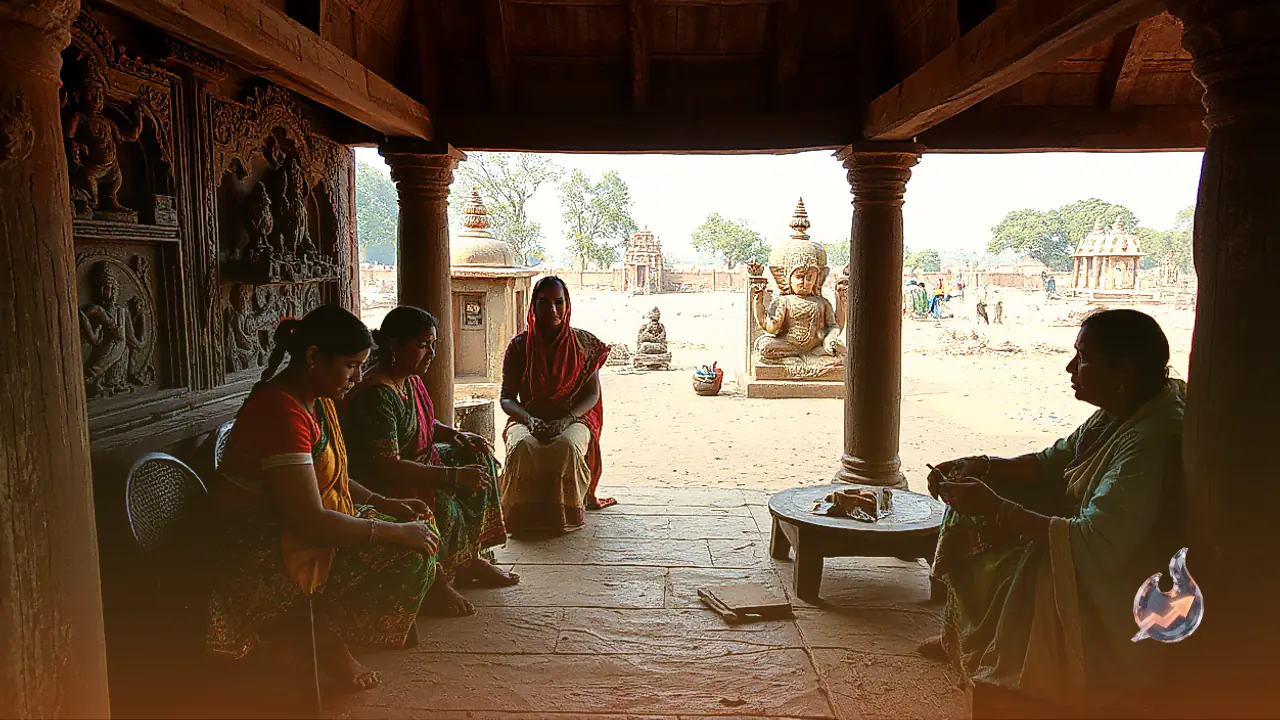

Traditional woodwork in Chhattisgarh is emerging as a powerful source of employment and financial independence for rural women. Living in Kokpal village within the Bakawand block of Bastar district, Indumati Rawana is transforming raw timber into stunning sculptures depicting tribal heritage and Hindu deities. By collaborating with a local self-help group, she is actively preserving this regional craft while generating a steady income through sheer dedication and hard work.
Crafting Exquisite Sculptures from Raw Timber
Detailing the intricate process of wood carving, Indumati Rawana explains that crafting these sculptures begins by procuring timber directly from local mills. The wood is subsequently cut and shaped according to specific requirements. Using small, specialized hand tools on cylindrical logs, intricate patterns are meticulously carved out. Whether shaping figurines rooted in indigenous tribal culture or carving statues of Lord Ganesh, every single artifact requires intense physical effort and exceptional attention to detail.
The Artistic Process Begins with Pencil Sketches
The journey of creating a wooden sculpture starts with a basic drawing. When crafting a Ganesha idol, for instance, the outline is first drawn directly onto the wooden block using a simple pencil. Following this preliminary sketch, artisans use delicate miniature tools to slowly chip away at the excess material, gradually breathing life and form into the wood. This entire manufacturing cycle demands a significant investment of time, concentration, and physical labor.
Pricing Based on Dimensions and Craftsmanship
Discussing the economics of her craft, Indumati Rawana notes that creating these artworks involves expenses related to raw timber and associated materials. After accounting for manufacturing costs, she receives a direct fifty percent share of the profits. The retail price of each sculpture is determined strictly by its physical dimensions, including height, thickness, and overall width. A smaller sculpture generally commands a price of around 2,500 rupees, whereas larger and thicker statues sell for 3,000 rupees or even more. The inspiring journey of Indumati Rawana highlights how Chhattisgarh's rich cultural heritage can serve as a viable employment avenue, enabling women to achieve financial stability while keeping regional art alive.