



















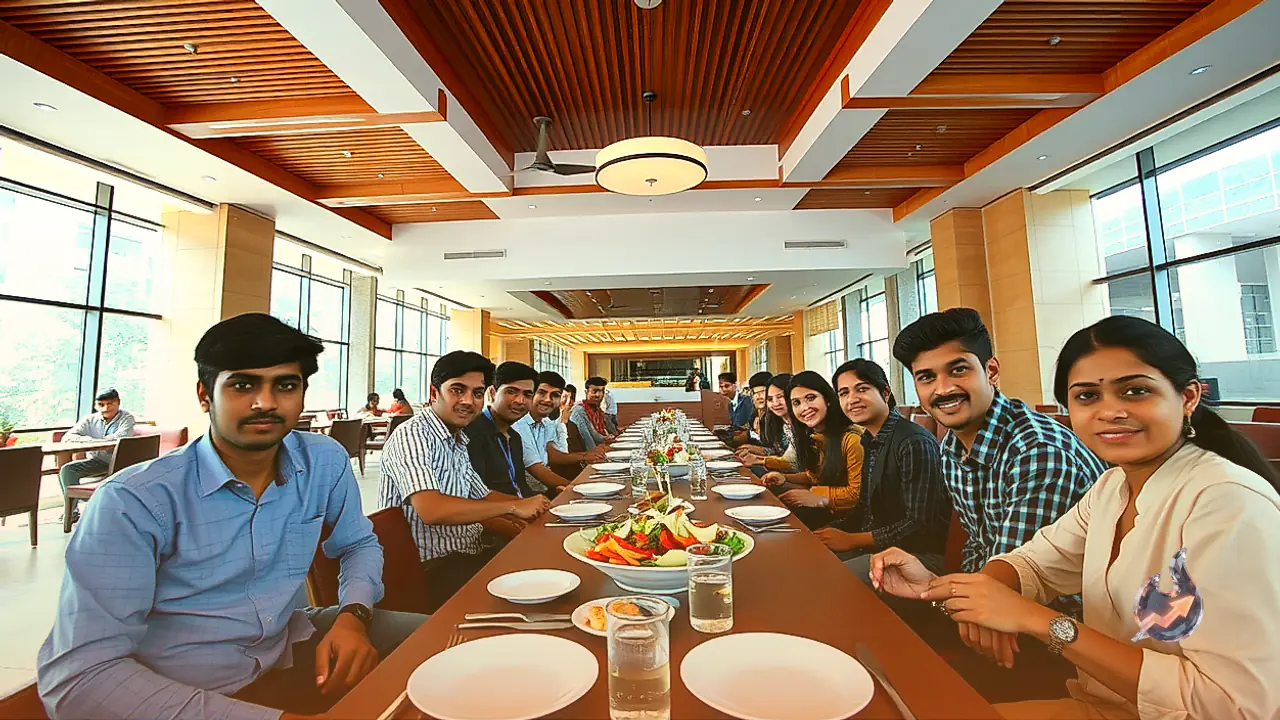

At XLRI Jamshedpur, recognized among the premier management institutions across the country, student life extends well beyond rigorous classroom lectures and academic assignments into a rich culinary experience. The dining arrangement on campus is tailored to provide nutritious and diverse food options that resemble high-end corporate events and luxury hotel dining. According to Devansh, a current student at the institute, regular daily meals as well as special occasion banquets maintain exceptionally high preparation standards.
A Structured Routine of Four Daily Meals
Students residing on campus are served meals four times a day to sustain their demanding academic schedules. The day begins with an expansive morning breakfast buffet that includes bread, omelettes, sandwiches, parathas, chhole bhature, dosa, and uttapam. This wide variety ensures that learners hailing from diverse regional backgrounds across India find breakfast choices suited to their individual tastes.
The afternoon lunch spread features staples such as rice, dal, two vegetable preparations, raita, and fresh fruit. For non-vegetarian students, options including chicken, fish, and biryani are also made available. During late afternoon hours, the facility serves tea, coffee, and light evening snacks. Dinner concludes the day with fresh rotis, rice, two vegetable dishes, and a dessert item, maintaining a balanced dietary balance throughout the week.
Festive Spreads at Welcome Dinners and Campus Celebrations
The culinary atmosphere reaches its peak during celebratory milestones such as the welcome dinner, auctions, and major campus gatherings. During a recently organized welcome dinner, the dining hall offered an extensive multi-course layout. The service commenced with non-vegetarian starters including fish tikka and chicken lollipop before transitioning into full-course offerings.
The banquet featured hot chicken manchow soup alongside Indo-Chinese and continental favourites such as chowmein, fried rice, garlic rice, and both red and white sauce pasta. Live counters and dedicated sections highlighted popular street delicacies, including tikki chaat, golgappe, and papdi, accompanied by paneer satay and crispy spring rolls.
Traditional Main Courses and Elaborate Dessert Counters
The main course at the celebration combined rich regional Indian recipes. Diners were served garlic naan, freshly fried puris, mutton biryani, shahi paneer, veg pulao, boondi raita, kimchi, tossed salad, and crisp papad. The extensive range reflected careful planning to deliver an authentic festive feast.
Dessert offerings were equally diverse, bringing together western baked goods and traditional Indian confectionery. Attendees were served fruit custard, doughnuts, chocolate brownies, and ice cream alongside classic bottle gourd pudding, known as lauki ka halwa. The combination provided a comprehensive culinary experience matching the presentation standards of five-star banquet halls.
Collaborative Menu Planning and Student Governance
A distinctive feature of the food management system at XLRI is direct student governance over dining policies. Devansh pointed out that decisions regarding weekly menus and celebratory layouts involve both junior and senior student representatives. This democratic approach allows learners to adapt dietary options to seasonal needs and student preferences.
The dining hall accommodates more than 100 students seated together at any given time. Consequently, the mess operates not merely as an eating facility, but as an interactive community space where future management professionals connect, relax, and socialize away from academic pressures.