



















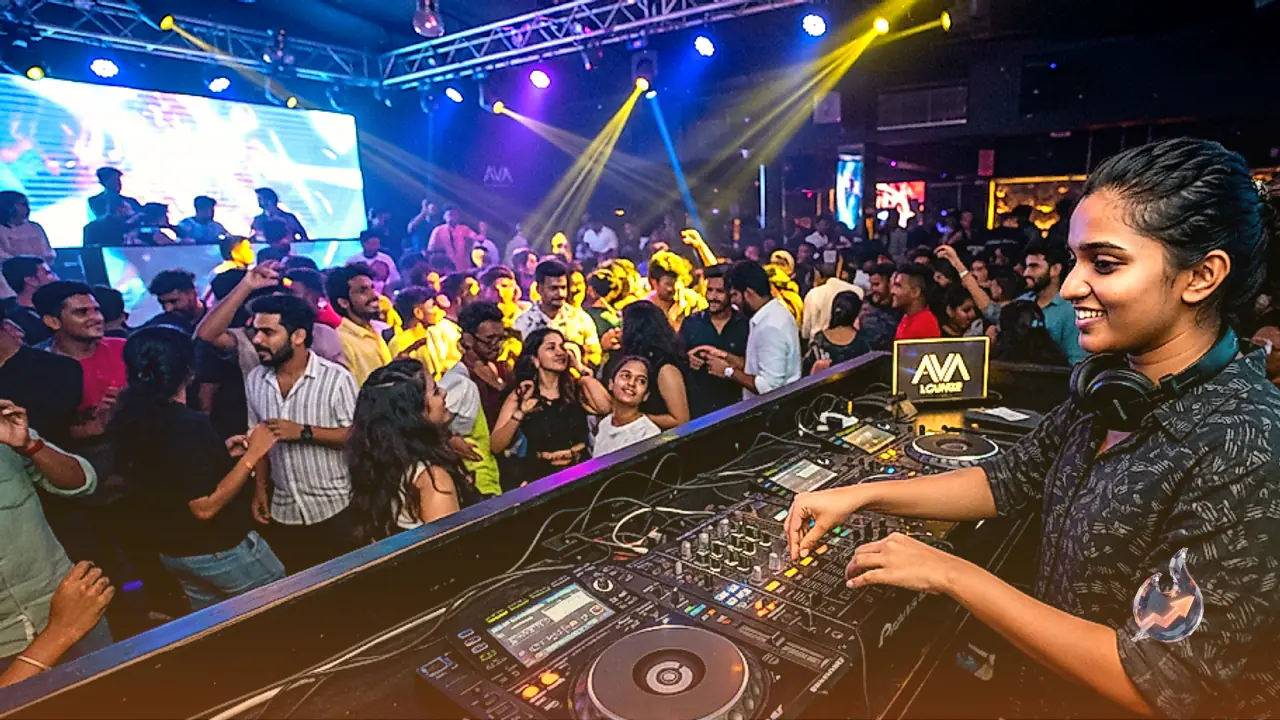

The Kerala High Court has expressed strong disapproval regarding restrictions imposed on nightlife and the approach adopted by law enforcement agencies in the state. A division bench comprising Justice Devan Ramachandran and Justice Basant Balaji questioned the basis on which police authorities have been targeting DJ events. The court explicitly observed that dancing to musical rhythms cannot be automatically associated with the consumption of illicit substances. While hearing a matter involving a venue based in Kochi, the bench questioned whether the administration intends to dismantle nightlife activities across the state.
Challenging the Stereotype Associated With DJ Music
During the courtroom proceedings, Justice Devan Ramachandran highlighted concerns regarding institutional bias against event performers. The bench noted that working as a Disc Jockey is a legal and reputable profession that should not face systemic prejudice. The court questioned why DJ gatherings specifically encounter intense police scrutiny. Judges observed that enforcement officers appear to operate under the generalized presumption that any venue hosting DJ music inevitably involves drug use. Rejecting this rationale, the bench remarked that people frequently dance in religious settings such as temples and churches, making it inappropriate to categorize dancing or listening to music as an indicator of illegal activity.
Revenue Considerations and Commercial Operations
The division bench pointed out perceived inconsistencies in state policy regarding commercial establishments. The court noted that while the government raises no objections to liquor service due to the tax revenue it generates, it simultaneously restricts musical entertainment at the same venues. The bench questioned whether patrons visiting a licensed bar should be prohibited from listening to music or dancing. Furthermore, the court sought clarification on regulatory boundaries, asking the state government to define whether private gatherings held without liquor service still require explicit police permits or prior permissions.
Distinction Between Lawful Policing and Excessive Authority
Addressing the scope of law enforcement, the Kerala High Court reminded authorities of the constitutional boundary separating legitimate policing from an arbitrary exercise of power. The bench emphasized that while preventive policing remains essential for maintaining public order, police officials cannot independently decree that DJ performances are inherently harmful. The court warned against enforcement patterns that unfairly penalize a specific occupational group. At the same time, the judges clarified that their observations do not restrict law enforcement from taking strict action against narcotics trafficking or illegal substance use where concrete evidence exists.
Background of the Dispute and Pending Proceedings
The legal challenge originated when a Kochi venue holding an excise license permitting bar operations until 3 AM was served a police notice prohibiting DJ music after 11 PM. The establishment challenged the restriction before a single judge, who subsequently set aside the police order. The state government then filed an appeal before the division bench to challenge the single judge's ruling. The High Court has instructed the state government to present the statutory framework and specific legal provisions that authorize police officers to regulate DJ events. The division bench has scheduled the next hearing for November 20.