























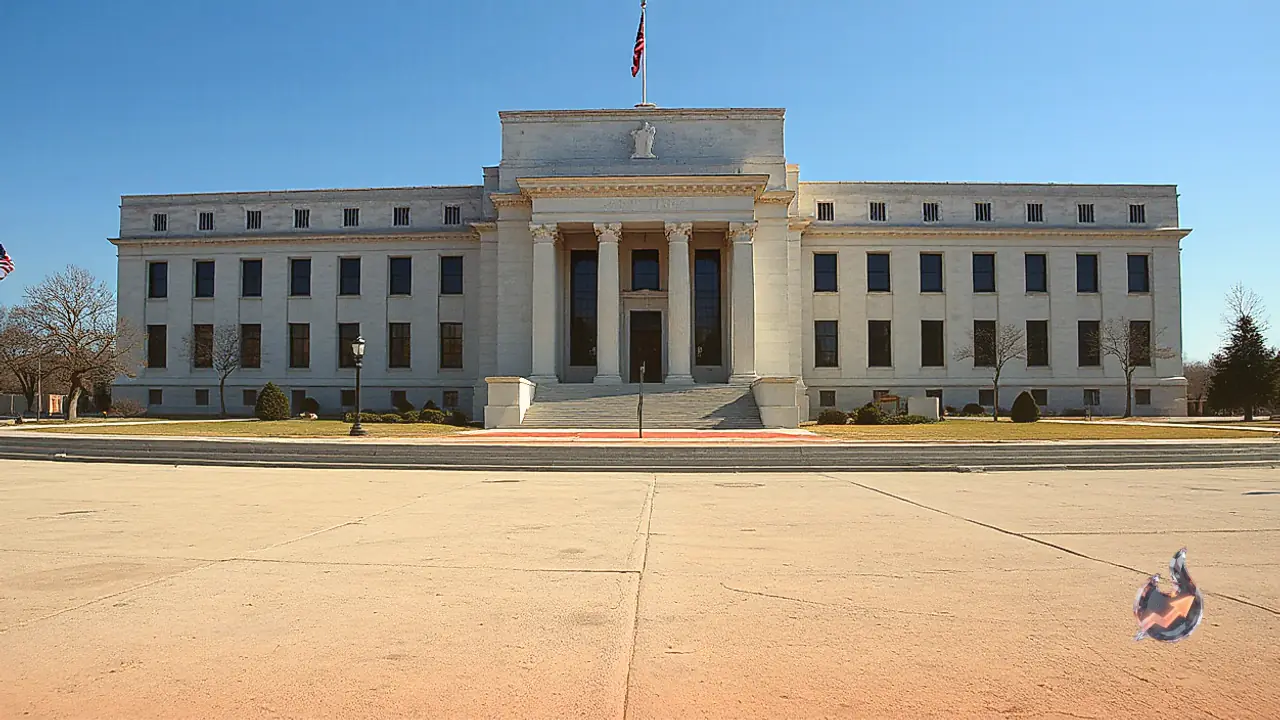

Stubborn inflationary pressures across the United States have prompted the central banking authority to maintain a cautious stance. Following a comprehensive two-day monetary policy meeting, the Federal Reserve decided on Wednesday to keep its benchmark interest rate unchanged at approximately 3.9%. However, policymakers explicitly noted that price pressures remain uncomfortably elevated. This posture leaves the door open to additional tightening in the coming months, which could further increase borrowing expenses for residential mortgages, vehicle financing, and credit card balances.
Targeting 2% Inflation While Evaluating Economic Data
The central bank remains committed to bringing inflation down toward its official 2% annual target. In the policy statement released after the meeting, officials pointed out that price gains continue to exceed acceptable boundaries. By holding borrowing costs steady for now, monetary officials have secured additional runway to examine incoming data before deciding on their subsequent course of action. Just last month, the Fed enacted its first rate hike in three years. While US President Donald Trump has consistently voiced demands for lower interest rates, the central bank has maintained an uncompromising discipline focused strictly on taming cost pressures.
Internal Divide and Expectations for December
Although the Fed did not offer a definitive trajectory for its next policy move, policymakers had already penciled in the prospect of one more rate hike before the year concludes. Clues originating from futures markets indicate that financial investors increasingly anticipate a rate hike arriving as soon as December. During Wednesday's decision, two Fed officials formally voted in favor of an immediate 0.25 percentage point rate increase. That dissenting stance underscores the depth of concern within the institution regarding persistent inflationary momentum across the broader economy.
September Inflation Data and Cost Catalysts
Consumer prices in the United States recorded a 3.7% year-over-year increase in September, showing a marked acceleration from the 2.4% rate registered earlier in February. On a month-over-month basis, the consumer price index climbed by 0.3% in both August and September, remaining substantially higher than the central bank's stated 2% threshold. Furthermore, another primary inflation metric closely monitored by Federal Reserve economists is projected to post an annual rise of 3.6% for September. elevated energy expenses alongside aggressive enterprise spending on artificial intelligence infrastructure are providing sustained upward momentum to general price levels.
Borrowing Costs and the Resilient Labor Market
Higher interest rate benchmarks continue to translate directly into elevated borrowing costs for households, particularly across home loans, car loans, and revolving credit card balances. Earlier this month, average rates on a 30-year fixed home loan touched a three-year peak of 7.4% before pulling back slightly. In contrast, the underlying American economy demonstrates continued resilience, marked by an unemployment rate sitting at 4.2%. The Federal Reserve now navigates the delicate challenge of subduing stubborn price increases without derailing economic expansion or labor market strength. The forthcoming batch of economic reports will ultimately determine whether officials initiate another rate hike in December or hold policy steady once more.