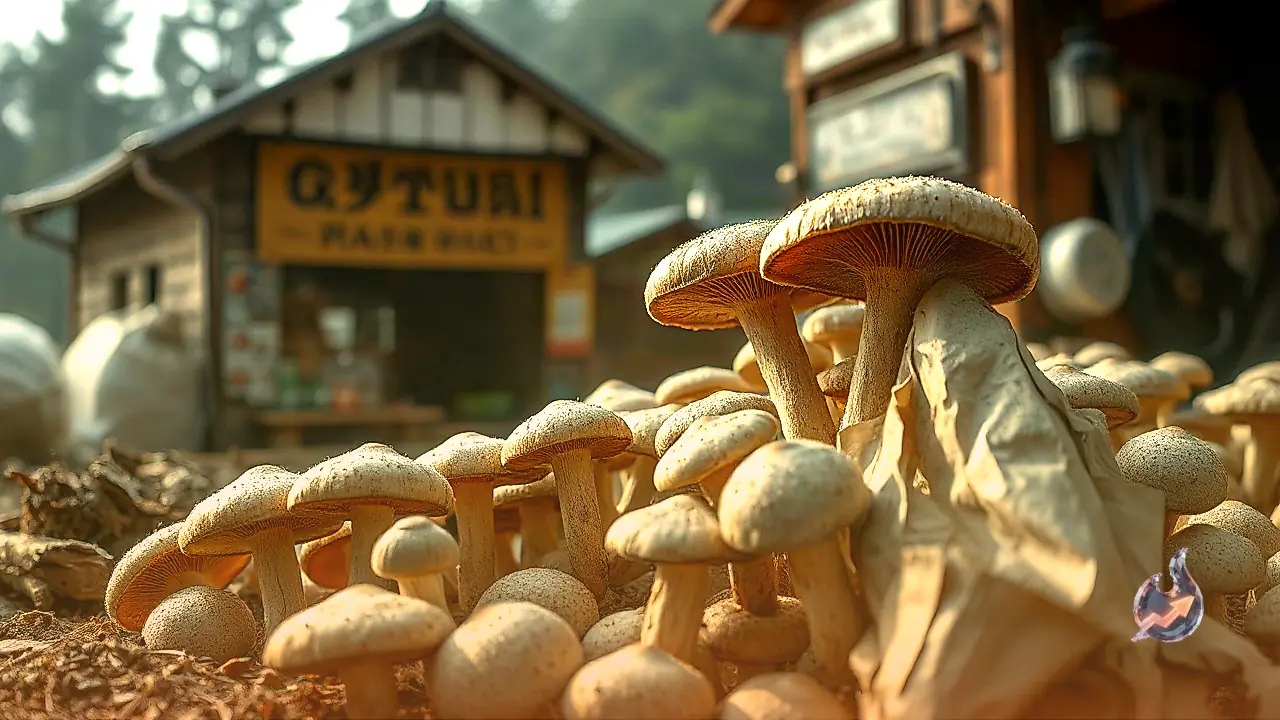

























The auspicious month of Sawan has commenced, a period when many devotees observe fasts and consume special religious items. Water chestnut flour, commonly known as singhara atta, is a staple ingredient during these fasts. However, commercially available packaged or loose flour in the market often carries the risk of adulteration. To maintain health standards and ritual purity during festivals, preparing completely unadulterated and fine water chestnut flour at home is a simple and reliable alternative. By adhering to a few basic kitchen techniques, you can yield flour that matches market fineness while ensuring total quality.
Essential Ingredients and Tools Required
The primary ingredient for making flour at home is good quality dry water chestnuts. When purchasing dry water chestnuts from the market, inspect them to confirm they are thoroughly dried, clean, and free from pests. Aside from the dry chestnuts, you will need a few standard kitchen implements: a sturdy heavy rolling pin or a traditional mortar and pestle, a high-power mixer grinder, and a fine sieve. If an exceptionally fine texture is preferred, keeping a clean cotton cloth on hand is also recommended.
Cleaning and Sun-Drying Preparation
Before beginning the grinding process, clean the dry water chestnuts by wiping them thoroughly with a dry cloth to clear away dust particles and debris. If any remnant moisture is detected within the chestnuts, spread them out under strong direct sunlight for approximately 1 to 2 hours. Sun-drying makes the chestnuts crisp and brittle, allowing them to break down easily during grinding while also preventing early spoilage of the final flour.
Crushing and Grinding Techniques
Dry water chestnuts possess a very hard and dense structure. Placing them whole directly into a blender jar carries a significant risk of damaging or breaking the appliance blades and straining the motor. To prevent this, first break the dried chestnuts down into small fragments using a mortar and pestle or a heavy rolling pin. Once reduced to small pieces, transfer them into a completely dry mixer jar. Grind the content by operating the mixer in short pulses rather than running it continuously. Grinding intermittently prevents friction heat from building up in the jar, ensuring a smooth texture.
Sieving Method for Extra Fineness
Once ground, pass the mixture through a fine wire sieve into a clean container. Collect the coarse particles that remain inside the sieve, re-introduce them to the mixer jar, and grind them once again. If you require an ultra-smooth, maida-like texture suitable for making delicate fasting puris or snacks, sift the ground mixture through a thin cotton cloth instead of a standard sieve. This additional step removes any residual grit.
Correct Storage Practices for Longevity
Proper storage is essential to preserve the purity and flavor of homemade water chestnut flour. Store the finished flour inside a clean, dry, airtight glass container. Keep the container in a dry and cool area, completely clear of moisture and direct sunlight. To maintain peak freshness and prevent spoilage for up to 3 to 4 months, keeping the airtight glass jar inside a refrigerator is highly recommended.