





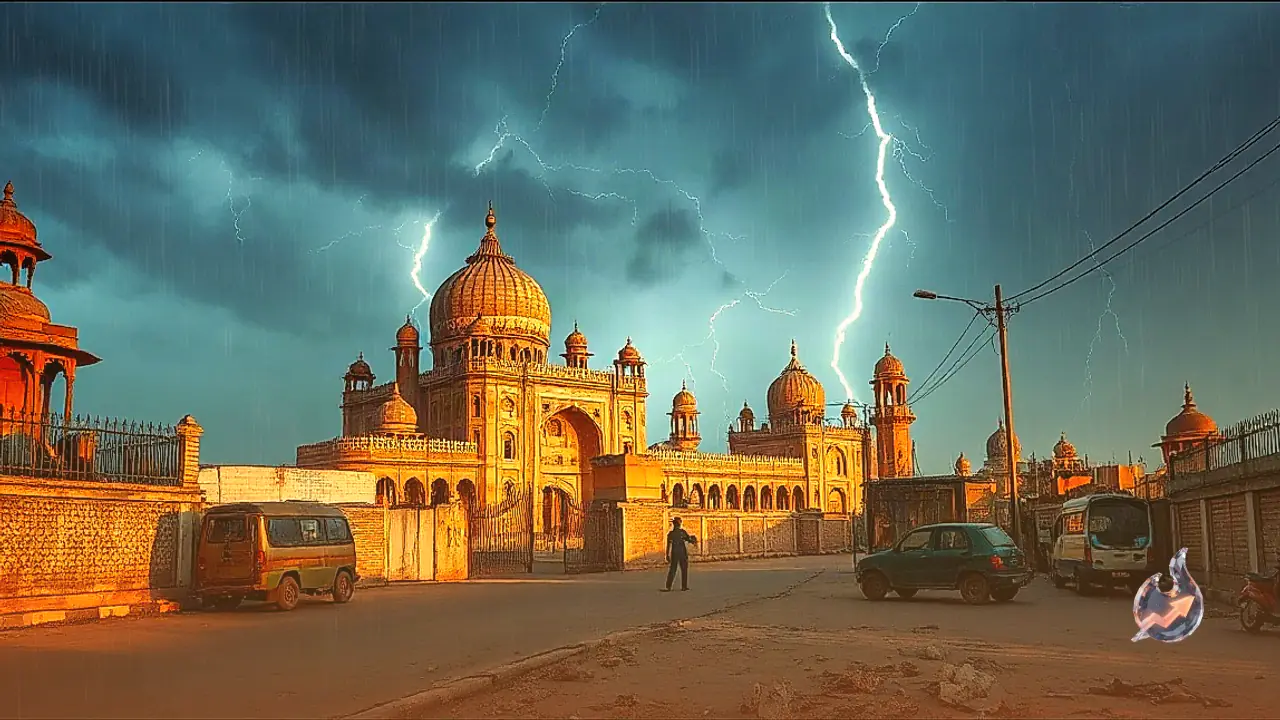

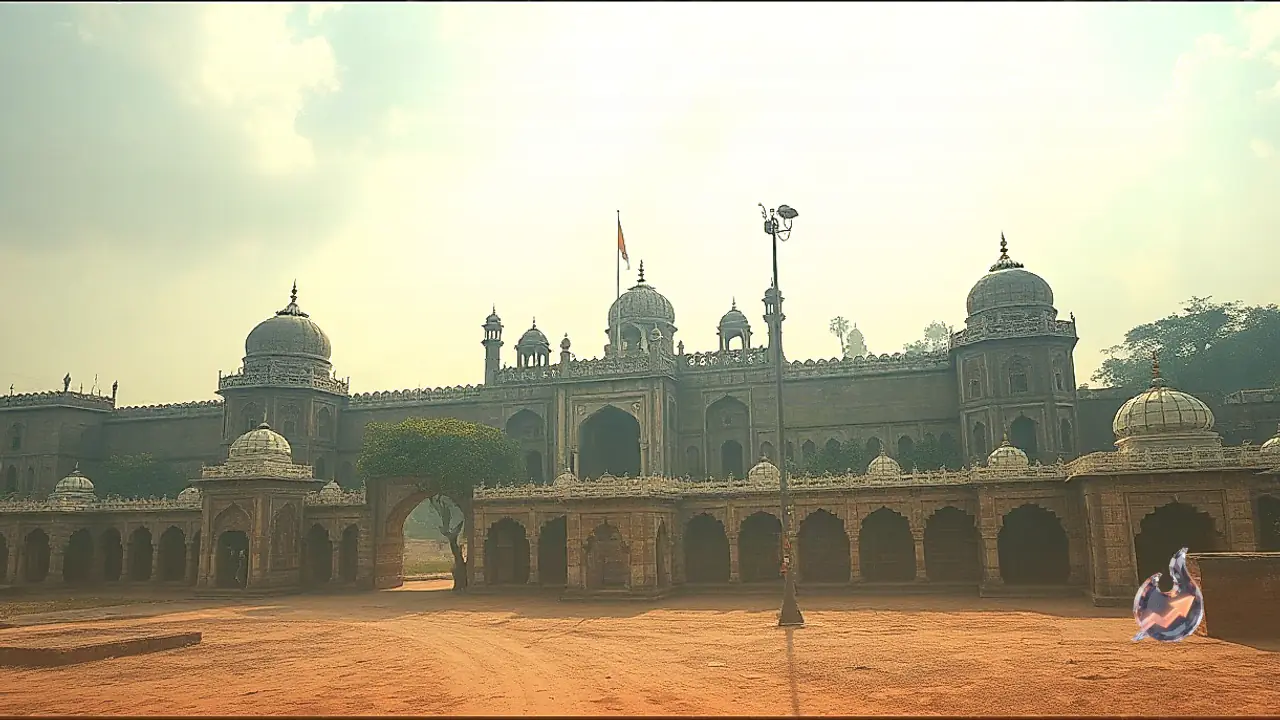














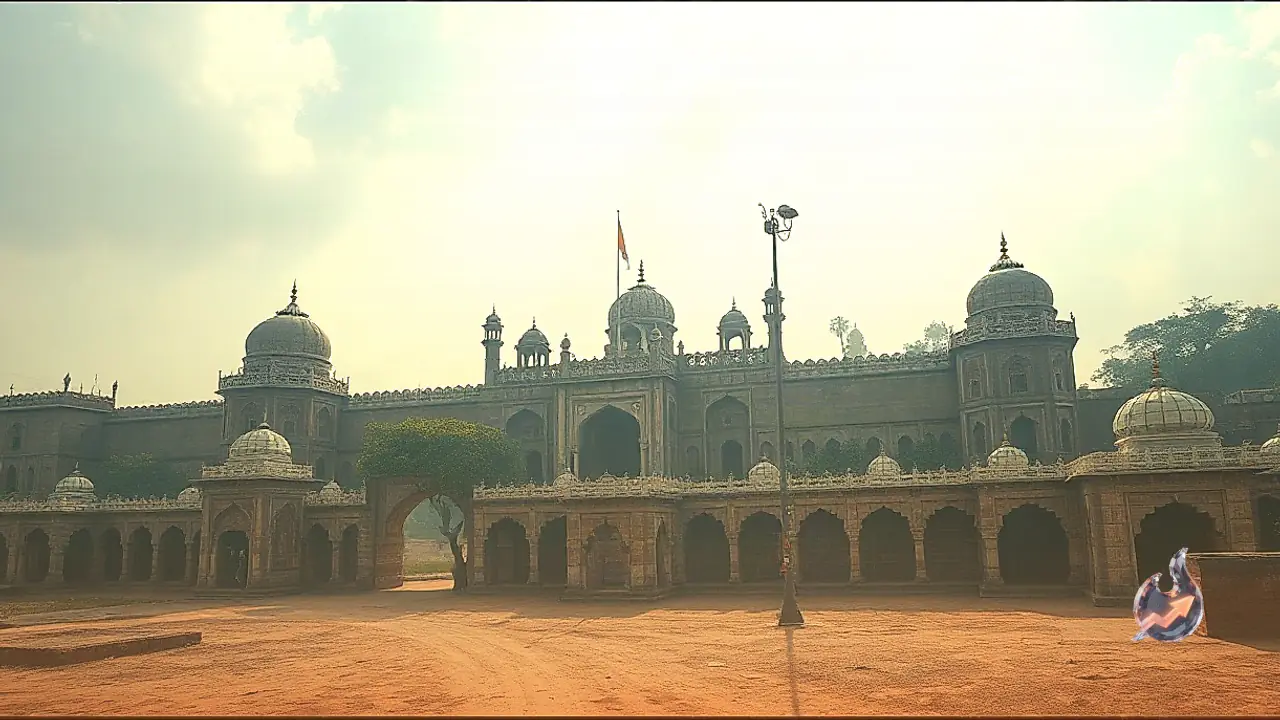

Mirzapur district in Uttar Pradesh holds an enduring repository of ancient heritage linked intimately to medieval royalty and princely lineages. Among these prominent sites, the historic fortress located in Vijaypur stands as a physical testament to the enduring presence of the Gahadavala dynasty. Constructed deliberately to anchor royal authority over Mirzapur and its adjoining territories, this fortified mansion served as the nerve center from which local monarchs governed the region across numerous generations.
Having witnessed centuries of political shifts and historical turbulence, the imposing structure remains upright to this day. Situated prominently in Vijaypur, the complex ranks among the district's most notable architectural landmarks. Travelers and heritage enthusiasts travel from afar to admire its intricate ornamental stone carving, leaving deeply fascinated by the artisan craftsmanship preserved across its corridors and facades.
The Transition From Kannauj to the Hills of Mirzapur
Historical accounts indicate that when the central rule of the Gahadavala dynasty waned in Kannauj, royal descendants migrated eastward toward the Vindhya terrain, establishing a fresh foothold within Mirzapur district. They initially fortified their presence around Kantit and subsequently broadened their administrative grip toward Vijaypur. Over the course of centuries, the lineage maintained firm command over extensive surrounding territories.
Throughout the expansion of the Mughal era and the subsequent colonial period under British rule, the rulers strove to safeguard their ancestral domain and local jurisdiction. Different successive sovereigns of the lineage held court across these eras. The arrival and growing dominance of the British East India Company, however, introduced steep hardships and administrative disputes for the Gahadavala family. Detailed documentation of these historic occurrences remains chronicled in administrative archives.
Royal Lineage of Kantit State and the Foundation Laid by Raja Ugrasen
According to local chronicler Anil Singh, Raja Gudandev of the Kantit estate, who stood as the sixteenth generational descendant of Raja Manikchand, was responsible for founding the royal domain near Vindhyachal at Kantit, officially designating it as the capital. Following his marriage, two sons were born to the house: the elder sibling, Raja Ugrasen, assumed rulership over Kantit, while his brother, Raja Bhojraj, took command of the Manda principality.
It was Raja Ugrasen who commissioned and oversaw the construction of this distinctive fortress in Vijaypur, which still stands intact today. The structure occupies a sprawling expanse, allowing any modern observer to immediately grasp its strategic scale and former grandeur simply from its perimeter. While the fort no longer serves as an active residence, it endures as a grand monument embodying centuries of dynastic history and regional fortitude.