






















From Pocket Snacks to Long-Term Goals: Practical Ways to Teach Children Financial DisciplineLifestyle
21 Sept 2026, 12:23 am (1 hour ago)· 0

From Pocket Snacks to Long-Term Goals: Practical Ways to Teach Children Financial Discipline

Redirecting small daily spends on snacks into systematic savings can help children fund their future ambitions. Economist Akash Jindal shares practical approaches to building early financial literacy without making it feel like a restriction.

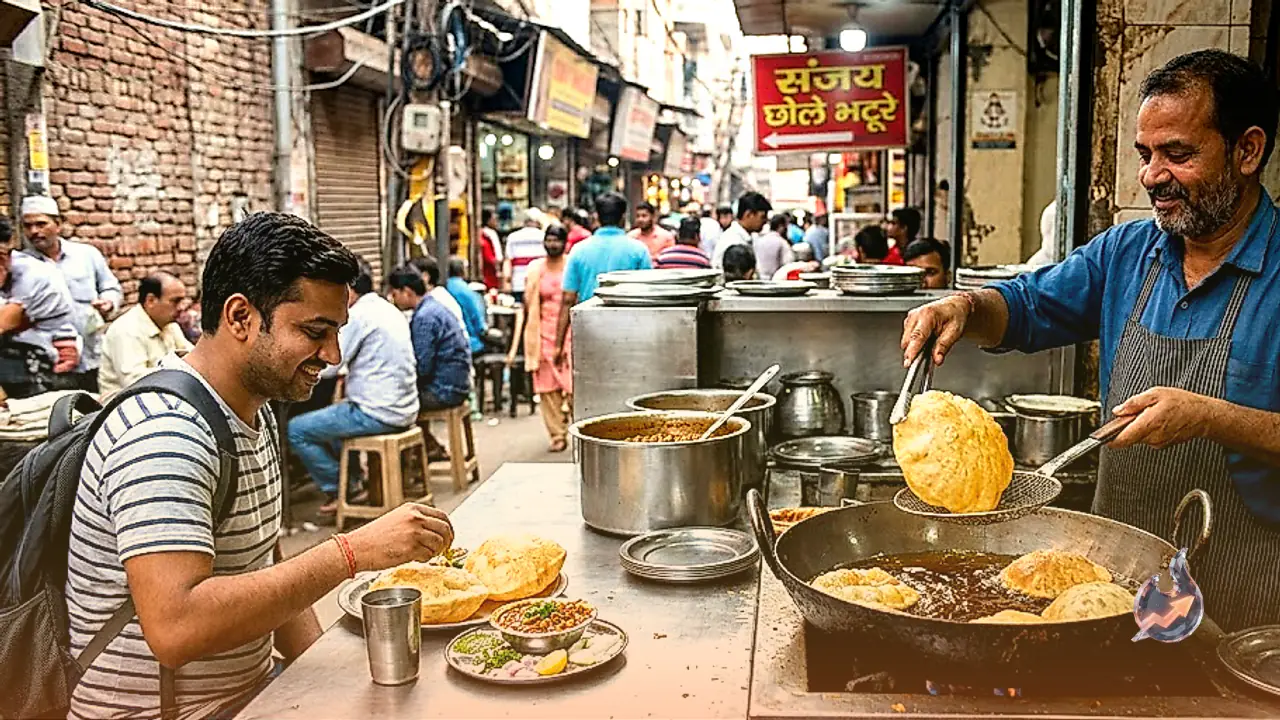
Parents frequently fulfill their children's everyday impulses without giving much thought to the compounding financial impact. A quick snack costing 50 rupees, a pastry worth 200 rupees, or restaurant takeout priced at 300 rupees often seem inconsequential in the moment. However, these regular indulgences miss an essential lesson: money is not simply meant for immediate consumption, but serves as a vital foundation for realizing long-term ambitions. Economist Akash Jindal emphasizes that teaching young people the mechanics of budgeting and saving must be framed constructively, ensuring they view financial restraint not as a harsh limitation, but as a roadmap for personal independence.

Connecting Modest Daily Cuts to Tangible Milestones

When a youngster insists on spending 200 rupees daily on snacks like pastries or patties, issuing an outright ban often triggers resistance. A far more constructive approach is showing them how consistently setting aside that exact sum can build an impressive financial cushion over time. Parents can provide concrete examples, such as pointing out that by the time they reach 18 or 19 years of age and become legally eligible to ride, these accumulated savings could directly fund their first motorcycle.

Also read

Furthermore, children benefit from understanding how personal assets contribute to the entire household. Explaining that a two-wheeler is not merely for personal leisure, but also enables them to run errands for their mother or drive grandparents to routine medical appointments, expands their sense of purpose. This framing helps the child recognize that modest daily sacrifices directly translate into tangible utility and comfort for the entire family.

Safeguarding Career Ambitions Through Early Financial Planning

Linking savings habits directly to educational aspirations creates a compelling motivation for self-control. If a student dreams of entering demanding professions such as medicine, engineering, or civil services, they need to recognize the substantial expenses associated with specialized coaching, university tuition, textbooks, and related educational resources. Meeting these substantial obligations requires disciplined financial preparation long before the admission letters arrive.

Instilling the practice of conserving funds early in life drastically alleviates the economic pressure that builds during higher education. Without adequate financial forethought, graduates often face immediate household monetary stress, forcing them to abandon competitive exam goals or preferred fields simply to accept the first available job. Developing early savings discipline safeguards their professional autonomy and allows them to chase career passions without compromise.

Transforming Savings Into an Empowering Personal Goal

Inspiring children to embrace savings requires regular, encouraging conversations about their future aspirations. Parents should clarify that spending thoughtfully today is not about deprivation, but about expanding choices for tomorrow. Once youngsters realize that every rupee saved brings them closer to a vehicle, a prestigious academic degree, or a deeply held dream, they naturally take interest in managing allowances and controlling impulse purchases. These fundamental behavioral adjustments gradually nurture self-reliant adults who handle finances with maturity.


Questions & Answers

What approach does economist Akash Jindal suggest to stop children from spending daily on snacks?
Rather than issuing a direct refusal, he suggests showing children that saving this money consistently can help them buy their own motorcycle at age 18 or 19.
How can the example of buying a motorcycle teach family responsibility?
Parents can explain that the vehicle will not only offer personal mobility, but also help run household errands for their mother and transport grandparents to the doctor.
What risk do students face after graduation if they do not learn to save early?
Without early financial groundwork, graduates may face heavy economic burdens that force them to take immediate ordinary jobs rather than pursuing their dream careers.
What is the most effective way to motivate children to save money?
Discussing their personal ambitions and educational goals directly helps them see that cutting impulse spending today is key to funding their future success.

Comments 5

Vikram Yadav@vikram-yadav·29m ago

This report highlights a critical aspect of child development and financial literacy in contemporary households. As consumer culture rapidly expands among youngsters in both urban and semi-urban settings, instilling saving habits early can bring about a much-needed shift in mindset. Connecting daily financial restraint to long-term educational goals provides a pragmatic roadmap to alleviate future economic pressures on families and students alike.

Neha Verma@neha-verma·48m ago

This piece offers a brilliant perspective on linking financial discipline with lifestyle and future priorities. Connecting small daily snack expenses to major milestones like a vehicle or higher education can truly transform modern parenting. Instilling budget management and mindful spending habits in young minds from an early age is crucial for their mental growth and long-term financial independence.

Nyra Kaif@nyra-kaif·47m ago

Taking Neha's analysis further, it is fascinating to see how connecting minor daily sacrifices—like forgoing a pastry—to family utility and higher education builds deep emotional maturity in children. This goes beyond mere piggy-bank savings; it instills a mindset of mindful spending that protects young adults from future financial anxiety, shaping them into resilient and independent individuals.

Pooja Bhatt@pooja-bhatt·55m ago

Financial discipline is directly linked to a child's mental health and self-regulation. When children learn to manage expenses at an early age, it significantly lowers their future risk of anxiety and stress related to financial uncertainty. This habit builds psychological resilience, enabling them to make balanced decisions under pressure as they mature into adulthood.

Meera Joshi@meera-joshi·54m ago

Pooja's point regarding financial discipline and mental health ties directly into children's emotional well-being. When parents teach children to manage everyday impulses, it fundamentally strengthens their capacity for delayed gratification. This psychological shift builds resilience, helping youth realize that not every fleeting desire requires immediate fulfillment. Such early self-development equips them to navigate future adult responsibilities and high-pressure career choices with emotional balance and inner stability.

Citizen journalism

Become a TrendKia journalist

Voice of the people

Share news, photos and videos from your area with TrendKia and let your voice reach the nation. Every citizen a journalist.

Join now
CH 01 LIVE
TrendKia TV ON AIR
Chamar no WhatsApp