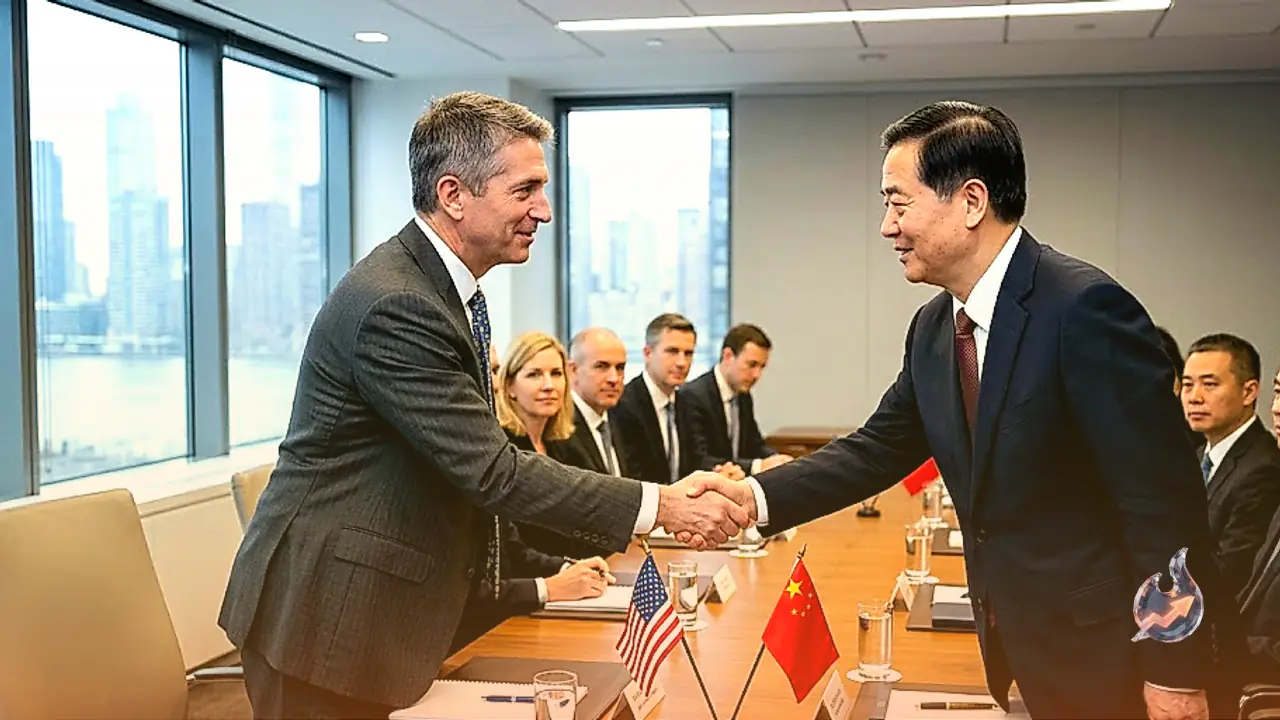

























High-level economic and technological discussions between Washington and Beijing have struck an optimistic tone ahead of a planned summit between US President Donald Trump and Chinese President Xi Jinping. US Treasury Secretary Scott Bessent confirmed that he held a very successful engagement with Chinese representatives focused on trade and artificial intelligence. Bessent noted that both nations reached a consensus to convene another structured meeting dedicated to AI dialogue. During the talks, Washington formally suggested establishing a bilateral notification framework designed to enhance transparency and provide advance clarity on major artificial intelligence developments.
Bilateral Teams Progress on Trade Framework
Parallel to the discussions on artificial intelligence, US Trade Representative Jamieson Greer stated that American and Chinese teams are continuing active work on a comprehensive board of trade agreement. The prospective pact aims to establish structured commerce across specific product categories from both sides. The board of trade agenda from China is anticipated to encompass consumer goods and low-tech manufactured items. Conversely, the American export priorities for the framework are expected to include energy commodities, agricultural shipments, and potentially medical equipment, offering a framework to balance bilateral trade flows.
Evolution of the US-China Tariff Conflict
The contemporary economic friction between the United States and China traces back to early 2018, when President Donald Trump erected initial trade barriers against Beijing. The administration cited unfair commercial practices and the theft of intellectual property by China as justification for the measures. In response, China initiated counter-measures by levying retaliatory tariffs on various key American exports, including automobiles and agricultural commodities like soybeans. The cycle of tariffs escalated until January 2020, when both sides formalized the US-China Phase One trade deal. That agreement stipulated structural economic reforms within China's domestic trade apparatus and sought to re-establish mutual economic stability. The onset of the Coronavirus pandemic shortly thereafter shifted global attention away from the dispute. When President Joe Biden subsequently took office, his administration retained the existing tariffs and introduced additional trade duties.
The Impact of Fresh Tariffs in 2025
Donald Trump's return to the White House as the 47th US President ushered in renewed friction across global supply channels. During his 2024 campaign, Trump pledged to levy blanket 60% tariffs on Chinese imports upon taking office, a measure he officially enacted on January 20, 2025. This move effectively resumed the tariff confrontation along previous lines, triggering reciprocal policies that strain international commerce. Protectionist barriers have raised landed import costs and disrupted manufacturing networks, which in turn cools capital expenditure and business investment while feeding directly into Consumer Price Index inflation.
Currency Markets React to Central Bank Policies
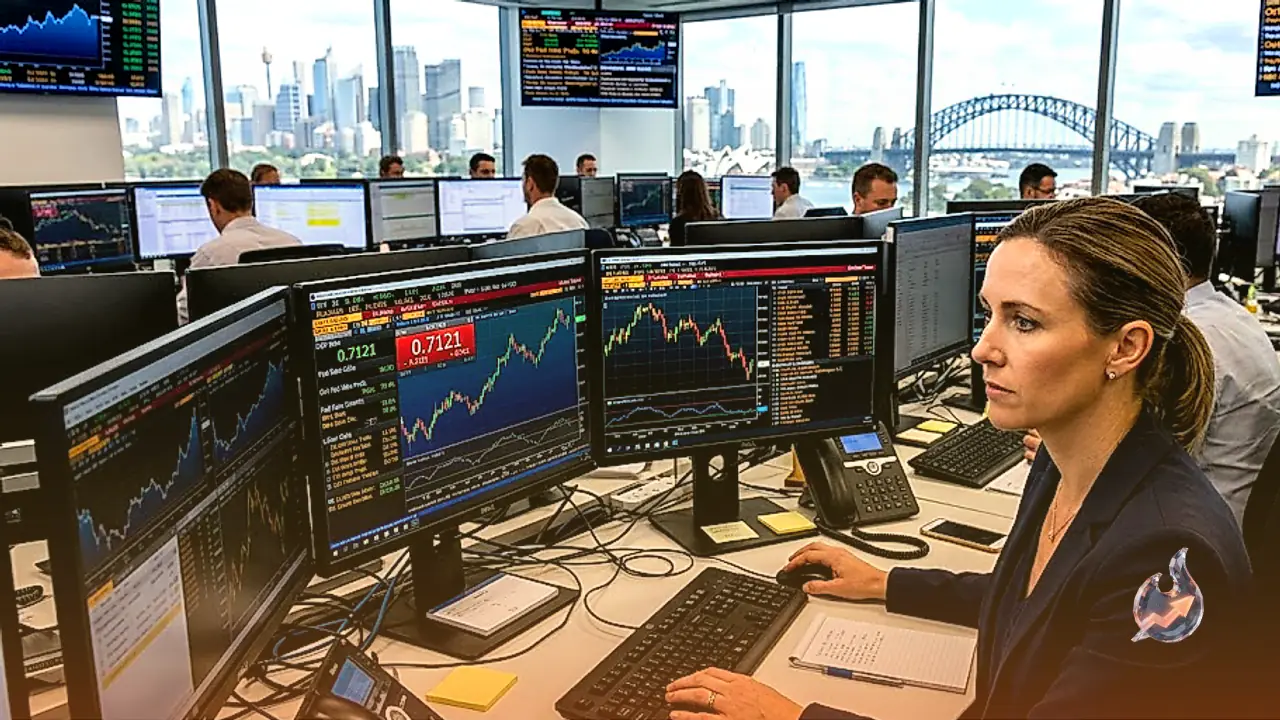
Global foreign exchange markets reflected these underlying macroeconomic crosscurrents during Asian trading on Monday. The Australian Dollar traded slightly firmer, edging up 0.03% on the day to 0.7127 against the greenback and defending the 0.7100 handle. The US Dollar managed to arrest its recent pullback from multi-month highs, buoyed by safe-haven sentiment and a hawkish interest-rate outlook from the Federal Reserve. Concurrently, market expectations regarding a potential rate hike by the Reserve Bank of Australia provided support to the Aussie ahead of upcoming public remarks from Governor Bullock and forthcoming domestic employment reports.
Meanwhile, the Japanese Yen exhibited limited momentum against the dollar following significant central bank policy action. The USD/JPY currency pair stabilized after descending from 158.00, a two-week peak reached after the Bank of Japan concluded its recent meeting. In a 7-2 vote, the Bank of Japan raised its short-term interest rate target from 1.00% to 1.25%, an expected adjustment representing the ongoing normalization of domestic monetary policy. Despite the tightening, escalating Middle East geopolitical friction alongside persistent market speculation regarding another Federal Reserve rate increase kept the US Dollar well-supported, leaving yen bulls cautious.
Gold Remains Pressured Below Key Benchmark
In precious metals, gold encountered renewed selling interest, struggling to sustain the recovery gains recorded during the prior two trading sessions. Persistent geopolitical vulnerabilities in the Middle East bolstered demand for the US Dollar as a traditional safe asset, preventing any extended pullback in the greenback. The prospect of elevated interest rates stemming from the Federal Reserve's hawkish stance continued to weigh on non-yielding bullion, keeping gold prices pinned beneath the $4,400 per ounce threshold as traders assess upcoming bilateral diplomacy.