
























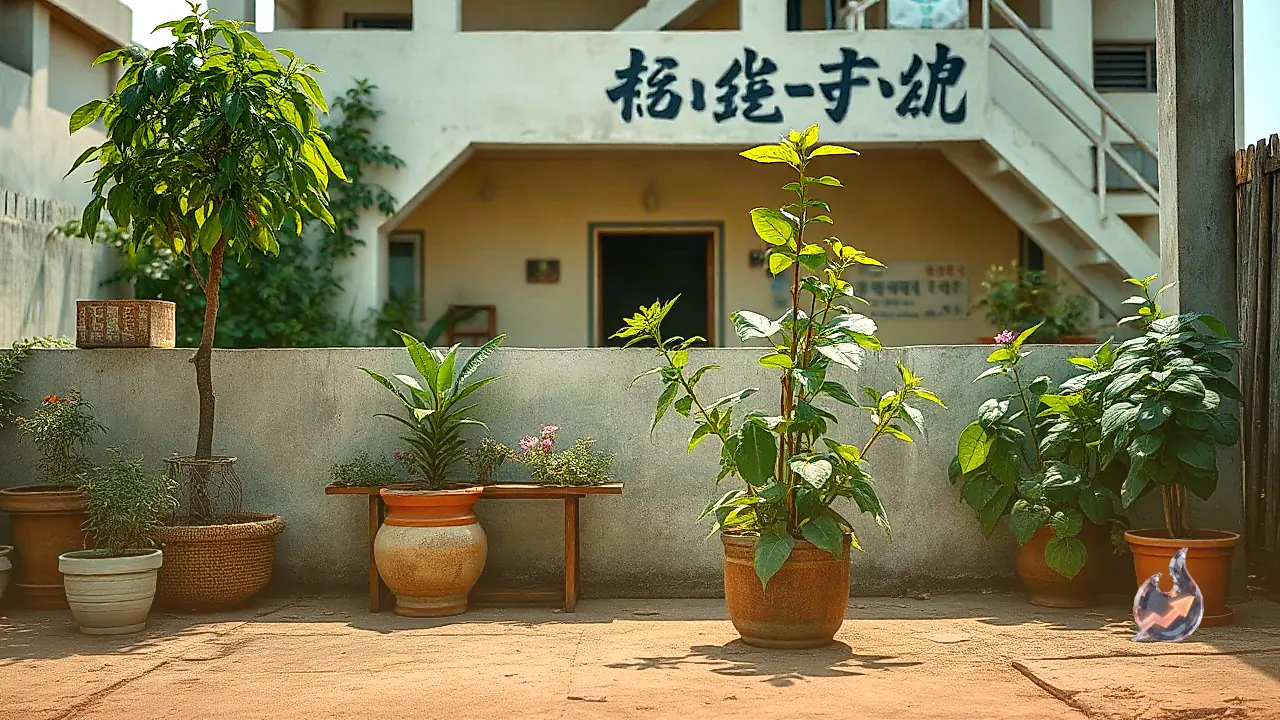

Holy basil, widely revered and commonly grown in Indian courtyards, balconies, and rooftops, requires very specific growing conditions to flourish. Maintaining an optimal environment involves supplying proper sunlight, controlled irrigation, and continuous airflow around the plant. However, home gardeners frequently make the mistake of crowding their Tulsi container with other fast-growing or heavy-foliage plants. Placing aggressive growers or high-moisture species adjacent to holy basil can severely impair its health, cause leaf discoloration, and eventually stunt its overall development.
Steer Clear of Aggressive Vines and Fast Growers
Fast-spreading vines and dense leafy plants should never be positioned immediately next to a holy basil container. Climbing species tend to quickly overtake nearby vegetation, wrapping around stems and smothering lower foliage. When aggressive foliage canopy covers the Tulsi, it cuts off essential daylight and restricts healthy air movement through the branches. Without uniform exposure to fresh breeze and morning rays, the plant loses its vitality and becomes prone to premature leaf shedding.
Keep Moisture-Intense Plants at a Distance
Holy basil thrives in well-drained, moderately moist soil, but it quickly declines when roots remain constantly waterlogged. Consequently, pairing Tulsi with plants that demand frequent, heavy watering is a recipe for root distress. Excessively soggy soil environments create ideal conditions for soil-borne fungal pathogens and root rot. Additionally, lingering surface dampness attracts destructive insects and micro-pests that can rapidly migrate onto your basil foliage.
Manage Shading from Tall Companion Plants
Large potted shrubs or tall indoor foliage can easily cast unwanted shade over shorter Tulsi plants. Proper physical spacing must be maintained between containers so that larger canopies do not block crucial sunlight. While holy basil requires abundant natural light throughout the morning and early afternoon, extreme summer heat during peak noon hours can scorch foliage. Providing bright indirect light or partial midday shield while avoiding tall physical blockages ensures steady foliage growth.
Inspect Routinely for Pest Infestations
Vegetation growing in close proximity can host hidden insect populations that easily transfer to your basil. Gardeners should conduct regular inspections of leaf undersides and stem nodes, looking specifically for small bugs, sticky sap residues, white powdery patches, or burnt leaf margins. If any signs of infestation appear, immediately prune off infected portions and clean the leaves to protect the rest of the plant.
Essential Maintenance Routine for Vibrant Tulsi
To keep holy basil green and healthy throughout the year, ensure your planting container has adequate drainage holes at the base to prevent standing water. Never allow excess water to pool in the saucer beneath the pot. Position the container in a well-ventilated spot receiving full daylight, and routinely remove dead or withered leaves to encourage new shoot growth.


