





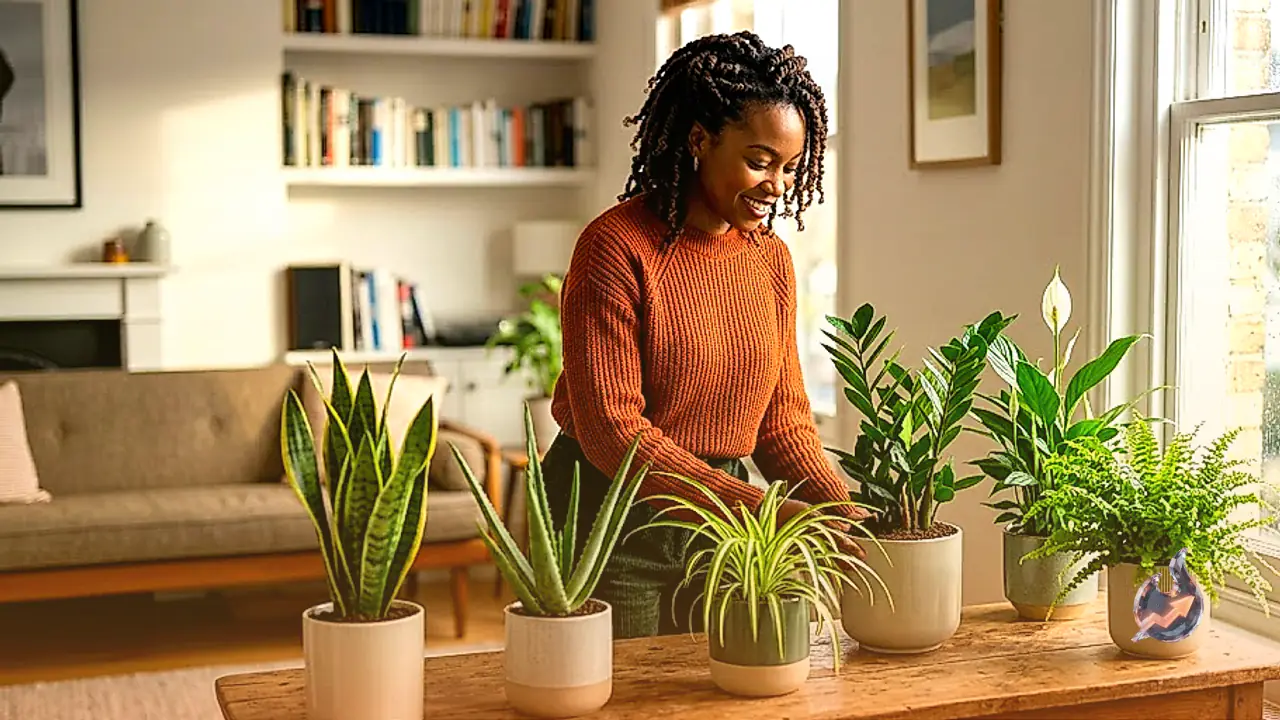

















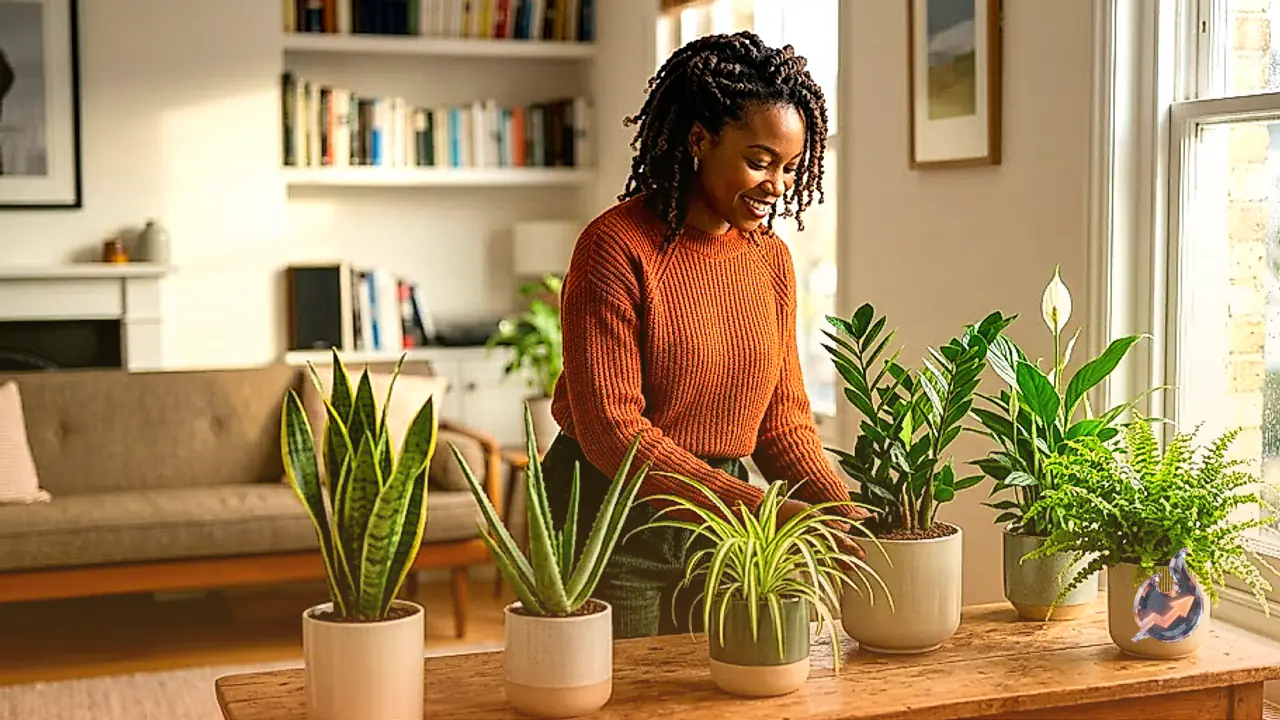

Indoor greenery serves a purpose that goes far beyond visual beauty and pleasing scents, acting as an effective natural tool to refresh stagnant indoor air. Certain plant varieties possess the distinct biological ability to exchange gases and release oxygen during different parts of the day or night. Furthermore, select foliage works actively to release moisture into dry rooms, while other species are known for trapping airborne dust and absorbing lingering pollutants. For anyone looking to improve indoor air quality ahead of the winter chill, six resilient and low maintenance house plants stand out as practical choices.
Snake Plant for Overnight Oxygen Exchange
The snake plant remains one of the most functional choices among common indoor flora. Its primary benefit lies in its ability to continue exchanging gases even through the night, releasing oxygen while household occupants sleep. Characterized by tall, upright structural leaves, the plant also helps influence gentle airflow patterns across an enclosed room. Because of this nighttime activity, placing a snake plant in a bedroom or positioning it on a bedside table proves particularly advantageous.
Spider Plant to Add Freshness and Moisture
The spider plant features slender, gracefully arching foliage that steadily releases moisture into the surrounding atmosphere. This regular moisture release helps generate a subtle cooling sensation and maintains a crisp, pleasant atmosphere indoors. To allow its cascading leaves room to spread naturally without obstruction, the plant is best displayed inside hanging baskets or along elevated wall shelves.
Fast Growing Golden Pothos for Humidity Balance
Golden Pothos is celebrated for its rapid growth rate and the expansive surface area of its lush foliage. This broad surface enables the vine to conduct continuous gas exchange with the ambient air while assisting in stabilizing general room moisture levels. Gardeners can easily train this adaptable plant upward using a sturdy moss pole or let it drape downward from a high shelf.
Peace Lily for Capturing Air Contaminants
Recognizable by its rich dark green leaves and distinctive blooms, the peace lily blends aesthetic appeal with functional utility. The plant possesses the capacity to take in and absorb specific pollutants present within indoor spaces. At the same time, its broad foliage contributes toward raising ambient moisture, making closed living spaces feel far more comfortable during dry spells.
Rubber Plant for Trapping Airborne Dust
The rubber plant stands out due to its broad, glossy foliage, which serves a mechanical function by capturing and holding floating dust particles directly on its leaf surfaces. Active during the daylight hours, it releases oxygen while adding a robust touch of green to interior decor. It thrives best when placed near sunny windows or in bright spots that receive an ample supply of natural light.
Low Maintenance Aloe Vera for Nighttime Airflow
Aloe vera is a widespread succulent requiring very little routine care or maintenance to remain healthy. Similar to the snake plant, it conducts gas exchange after dark and is recognized for releasing oxygen during nighttime hours. To ensure optimal growth, aloe vera should be situated in a sunny location and potted in well-draining soil that prevents water retention around the roots.