




















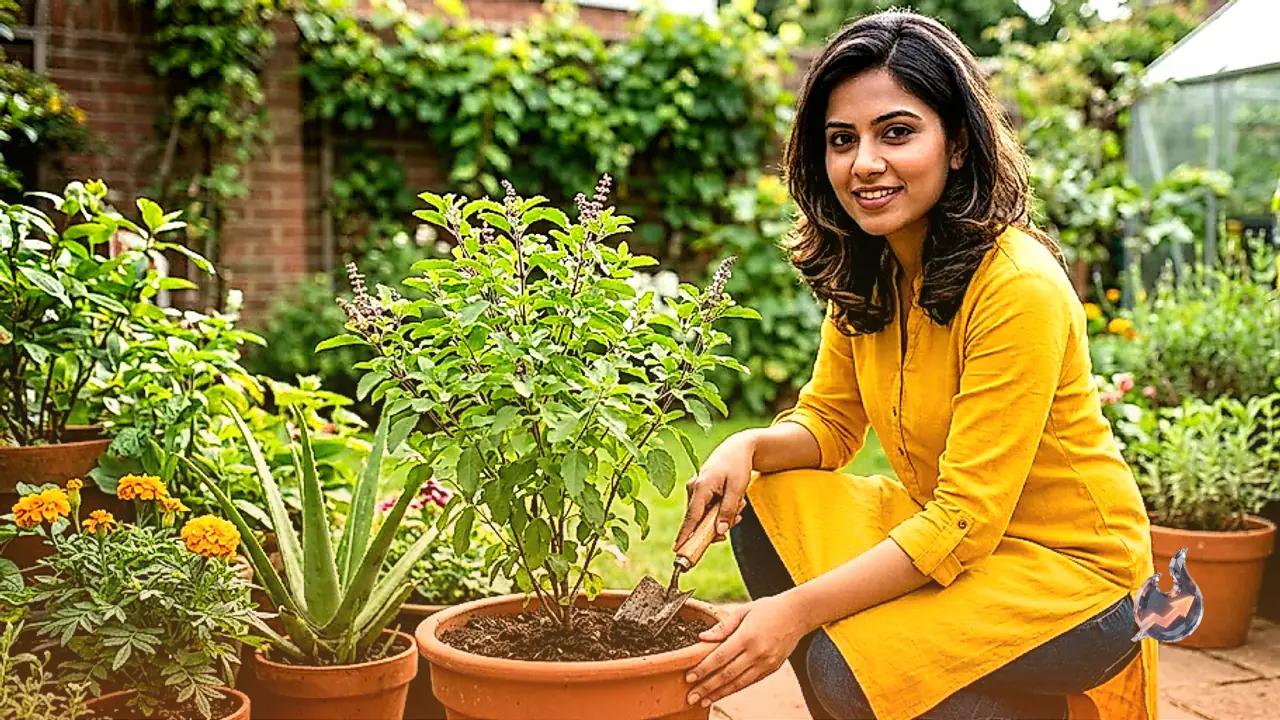

While planting holy basil, commonly known as Tulsi, is widespread in households, keeping it healthy and green over an extended period often becomes a frustrating challenge. Winter fog, freezing temperatures, waterlogged containers, and compacted soil regularly damage the plant. When foliage begins to yellow or dry out, growers often make the mistake of pouring more water into the pot, overlooking the real underlying culprits beneath the surface. According to Prem Kishore, a gardener with the Government Fort Garden Department in Rampur, adopting a few fundamental horticultural practices can safeguard Tulsi plants from premature drying throughout the year.
Soil Texture and the Ideal Potting Mixture
The composition of the soil inside the pot plays the most decisive role in the plant's survival. Tulsi requires normal, loose, and crumbly soil that allows roots to breathe. Highly clayey or dense soil is detrimental because it traps moisture for prolonged periods. When water stands continuously around the root zone, the roots begin to suffocate and decay, triggering progressive dieback throughout the upper branches.
To establish healthy growing conditions, soil preparation should follow a balanced ratio. Mixing equal halves of standard garden soil and well-rotted organic compost creates an optimal blend. This balance delivers essential nutrients over time while preventing the growing medium from hardening into a solid mass, thereby providing roots ample room to branch out naturally.
Avoid Daily Irrigation and Check Moisture First
In many homes, it is customary to pour water on the Tulsi plant every morning. Prem Kishore points out that holy basil does not require daily irrigation. In fact, overwatering represents one of the most frequent reasons potted plants fail. When water stagnates inside the pot, roots rot, and the plant gradually withers from the bottom up.
Irrigation should be guided solely by the moisture level of the topsoil. Water should be applied only when the surface feels dry to the touch. Furthermore, ensuring that the drainage holes at the bottom of the container remain completely unblocked is critical for allowing excess water to escape immediately.
Loosening Compacted Soil Through Hoeing
Repeated watering tends to create a hard crust on top of the potting soil over time. Whenever the upper layer becomes compacted, gentle hoeing is necessary. Keeping the soil friable ensures that atmospheric air can circulate freely down to the roots and prevents irrigation water from pooling on the surface. Periodically loosening the soil around the perimeter of the plant encourages root respiration and promotes vigorous shoot growth.
Protection from Cold, Frost, and Winter Fog
The winter season demands heightened attention for Tulsi maintenance. Extreme cold, frost, and dense fog can inflict direct tissue damage on tender leaves and shoots. The container should be positioned in a location that receives ample daytime sunlight while remaining shielded from harsh nighttime drafts and direct frostfall. Additionally, keeping the surrounding area tidy and free of decaying debris prevents fungal issues, allowing the plant to thrive in a cleaner microclimate.
Caring for Rama and Shyama Tulsi Varieties
Two primary cultivars are widely cultivated in home gardens, recognized as Rama Tulsi and Shyama Tulsi. The dark-leaved Shyama variety is particularly favored by many plant enthusiasts. Both varieties share similar physiological needs. With attentive seasonal care, balanced exposure to daylight, and regulated hydration, Shyama Tulsi can retain its vibrant green foliage throughout the coldest months.
Inspecting the Roots and Replacing Depleted Soil
When a Tulsi plant begins to decline, pouring additional water on top without diagnosing the root cause will not revive it. Growers should inspect the container carefully. When necessary, the plant can be gently lifted from the pot to examine its root system and soil quality. If the existing medium has degraded, become excessively compacted, or turned sour, replacing it with a fresh mixture of crumbly soil and compost will give the plant a viable opportunity to recover.
Combating Insect Infestations with Neem Oil
Pest infestations occasionally target the tender stems and foliage of holy basil. Routine inspections of leaf undersides and branch nodes help catch pest activity early. Prem Kishore suggests using neem oil as an effective treatment to protect and maintain plant health. Whenever applying any protective solution, it is essential to review the product label carefully to follow the specified instructions and appropriate dilution ratios.