




















Weather patterns and seasonal rain cycles have always formed the backbone of rural agricultural life. In contemporary times, meteorological satellites and advanced digital sensors deliver instant forecasts, yet the operational reality in earlier decades was vastly different. Without access to contemporary predictive equipment, rural cultivators developed a deep reliance on environmental observations to read the arrival and departure of the wet season. Understanding the exact moment the monsoon began retreating was just as essential for managing crops as tracking its arrival. For generations, elder farmers turned to a specific set of natural indicators that continue to be remembered across villages today.
The Blooming of White Kans Grass and Rural Lore
According to Suryapal Yadav, an elder from Amethi, Uttar Pradesh, one of the primary historical markers of the departing monsoon was the emergence of white blossoms across wild kans grass in and around the fields. Rural folklore captured this seasonal transition through the well-known saying, 'Jab kheton mein phooli kaas, tab jaano gayi barsaat', which translates to observing blooming kans grass as a sign that the rains have run their course. The moment farmers noticed fields turning white with these flowers, they recognized that the clouds were unlikely to return with force.
The Disappearance of Winged Ants and Changing Insect Behavior
Shifts in insect life served as another key observation for villagers tracking the retreat of the rains. Suryapal Yadav notes that people closely monitored the presence or sudden absence of pakhi, the winged ants that typically appear during the height of the damp season. When these winged creatures ceased flying around residential premises and courtyards, local communities interpreted the quiet as a reliable signal that the intense rainy period had effectively drawn to a close.
Clear Open Skies and Sustained Sunny Days
Atmospheric visibility provided an equally direct indicator of the changing climate. The complete clearing of cloud formations across the sky accompanied by consistent, uninterrupted sunshine signaled that the monsoon system had weakened significantly. As dense storm clouds vanished and days remained steadily bright, villagers recognized that the rain-heavy phase had surrendered to drier autumn weather.
Ripening Paddy and Pearl Millet in the Fields
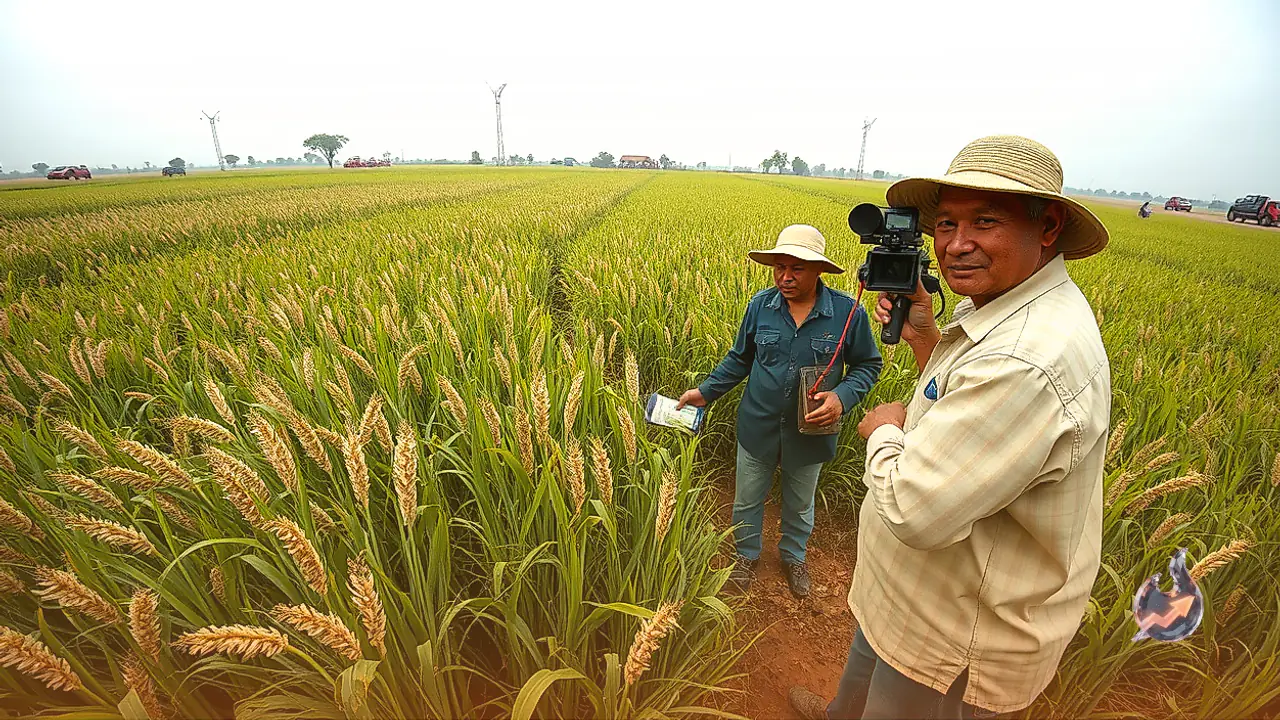
The developmental stages of standing crops also guided farming communities regarding seasonal changes. Suryapal Yadav explains that when spikes emerged on paddy and pearl millet stalks and their lush green tone began shifting into a soft yellow, farmers understood that the seasonal rains were ending. Agricultural experience held that crops at this critical reproductive phase require sustained, strong sunlight rather than wet soil and overcast skies to allow the grain to fill and harden properly.
Traditional Observations Alongside Modern Forecasting
Suryapal Yadav reflects that historical agrarian life leaned entirely on environmental cues and field transformations to anticipate weather shifts. The flowering of wild grass, the departure of seasonal insects, clear blue horizons, and changing crop colors formed a collective archive of practical wisdom. While contemporary farming now benefits from satellite technology and computerized forecasts, these age-old observations remain deeply respected across rural landscapes. Nevertheless, because these indicators stem from regional traditions and localized memories, official assessments issued by the meteorological department remain the sole definitive benchmark for confirming the actual departure of the monsoon.