





















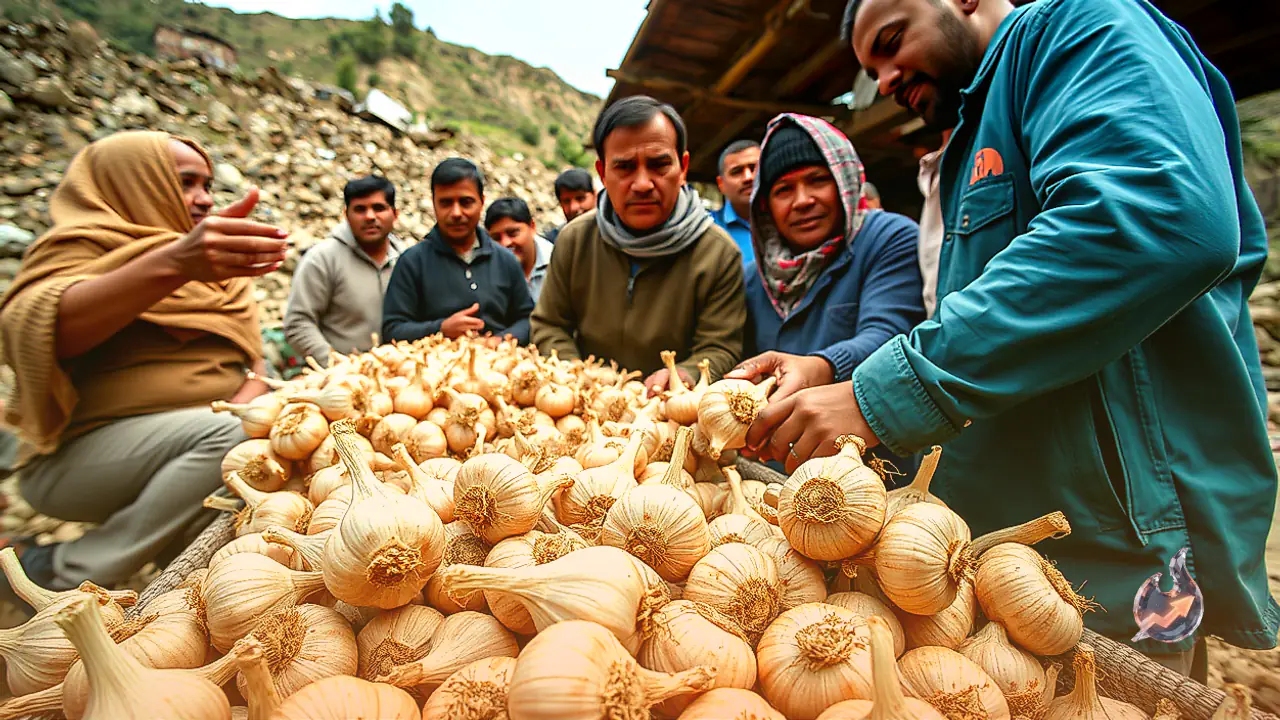

Garlic cultivated across the mountain terraces of Uttarakhand holds a distinct reputation in traditional cooking, prized primarily for its robust aroma and concentrated taste. Distinguishing authentic Pahadi garlic from varieties typically found in regular commercial markets involves understanding subtle physical traits, including clove firmness, peel coloration, and the sharpness of its scent upon crushing.
Evaluating Clove Texture and Peel Shade
According to Prema Koranga, a local expert from Bageshwar, certain varieties of garlic grown in mountain areas tend to produce relatively smaller bulbs. The cloves inside remain remarkably solid and tightly packed, while the exterior peel often displays hues ranging from dull white and earthy shades to light reddish tones. However, the exact dimensions and pigmentation of the bulbs remain heavily influenced by farming conditions, crop variety, and post-harvest storage environments. Because growing factors fluctuate, judging garlic solely by a small bulb size or tinted skin does not automatically confirm it as an authentic mountain-grown variety.
The Chemistry Behind Pungency and Aroma
A defining hallmark of high-grade Pahadi garlic is the immediate release of a sharp, intense aroma when a clove is sliced, chopped, or pounded. It delivers a notably pungent flavour profile on the palate, driven by naturally occurring sulphur-bearing compounds present within the cloves. Mountain women rely on generations of practical experience to evaluate quality through the combined tactile feel of the clove, its aromatic strength, and its taste. Even so, the sheer sharpness of an aroma by itself cannot serve as absolute, irrefutable proof of a specific seed strain or complete purity.
Tradition of Seed Saving and Mountain Cooking
In the rural hamlets of Uttarakhand, village women have traditionally driven agrarian practices by managing cultivation, preserving heirloom seeds, and safely curing seasonal produce for long-term domestic use. Many households carefully sun-dry their home-grown garlic harvests to ensure supplies remain intact throughout the entire year. Within domestic kitchens, these cured cloves become a staple seasoning, generously folded into simmering lentils, vegetable preparations, spicy condiments, and traditional regional specialities.
Potential Health Advantages and Prudent Usage
Beyond its culinary appeal, garlic maintains an enduring presence in age-old home remedies and herbal preparations. Select scientific studies suggest that regular intake of garlic may contribute to modest decreases in overall blood pressure and total cholesterol readings, though therapeutic outcomes naturally vary across different individuals. Traditionally, it is also administered as a supportive home measure for easing joint stiffness, arthritis discomfort, and seasonal common colds. Excessive consumption, nevertheless, can provoke digestive side effects such as stomach burning, flatulence, and gastrointestinal irritation. Individuals currently prescribed blood-thinning medications should invariably seek professional medical guidance before consuming large quantities or incorporating concentrated garlic supplements into their routine.