























For home gardeners looking to add vibrant color and pleasant fragrances to their balconies and terraces, lilies remain one of the finest floral choices. With diverse varieties renowned for striking blossoms and sweet scent, the shifting climate of September creates a practical window to cultivate and care for selected types. Achieving flourishing blooms in containers requires careful attention to potting mediums, drainage infrastructure, and sun exposure from the very start.
Selecting the Right Container for Root Expansion
Lily root systems demand sufficient room to develop properly, making very small or tight pots unsuitable for sustained growth. Medium to large containers offer the ideal volume for stable anchoring and nutrient uptake. Equally essential is ensuring that the container features unobstructed drainage holes at the base, preventing water from settling around sensitive lower root networks.
Crafting a Well-Draining Soil Mix
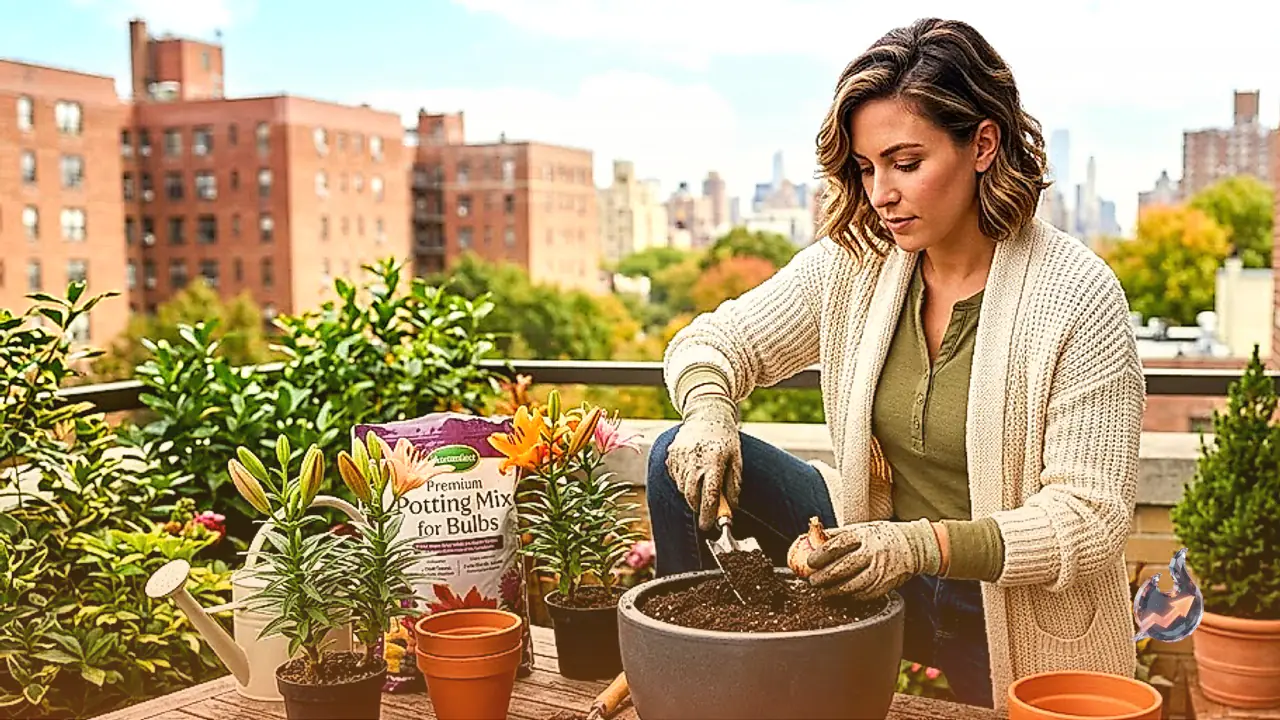
These plants perform best in porous, well-aerated soil that allows excess water to run off smoothly. Dense or heavy soil that retains excessive moisture must be avoided. A well-balanced potting blend can be created by combining ordinary garden soil, rich compost, and coco peat. When dealing with heavier mixtures, blending in sand or perlite improves internal drainage and keeps the root zone aerated.
Planting Bulbs and Transitioning Potted Starts
When starting from bulbs, inspect them carefully to select only firm specimens free from decay or mechanical damage. Position the bulbs at an appropriate depth beneath the soil; burying them too deeply can delay or hinder flower stem development. If bringing home an established potted plant, avoid disturbing the root ball when placing it into its new container, and water it thoroughly right after planting.
Managing Light, Irrigation, and Feeding
Adequate illumination is vital for robust stems and vibrant floral development. Position the container in a spot receiving several hours of direct sunlight or abundant bright indirect light every day, while shielding foliage from scorching midday rays. Water only when the top layer of soil feels dry to the touch, as stagnant moisture risks rotting the bulbs and root clusters. During periods of active vegetative growth, apply well-rotted manure or balanced chemical fertilizers, ensuring nutrients are placed away from the direct stem and central bulb.
Maintenance, Deadheading, and Pest Vigilance
Regular maintenance keeps container lilies healthy throughout the season. Pruning away faded blossoms encourages tidy growth, while frequent checks on leaves and stems help spot insect damage or emerging plant diseases before they escalate. Because specific lily varieties can have slightly distinct growth habits, tailoring maintenance to the exact cultivar ensures the best possible results.