


















A distinct trend in modern hair styling is transforming how women approach personal grooming without making irreversible compromises. For anyone who desires a noticeable visual refresh but refuses to sacrifice the hard-earned length of their hair, hair stylist Mahendra highlights the butterfly haircut as a tailored solution. This approach allows individuals to retain their base hair length while acquiring an energetic, newly styled silhouette.
Face Framing Layers and Dynamic Movement
At the center of this cutting approach is the strategic introduction of cascading layers around the front sections of the head. By carving out dedicated face-framing sections, the haircut draws attention to facial contours while introducing substantial body and dimension across the remaining strands. Flat or dense hair immediately gains bounce, texture, and natural movement through these varied lengths. When styling, employing a blow dryer and round styling rollers to flick the ends outward into subtle curls accentuates the structural tiers and delivers a polished finish.
The Visual Origin Behind the Butterfly Name
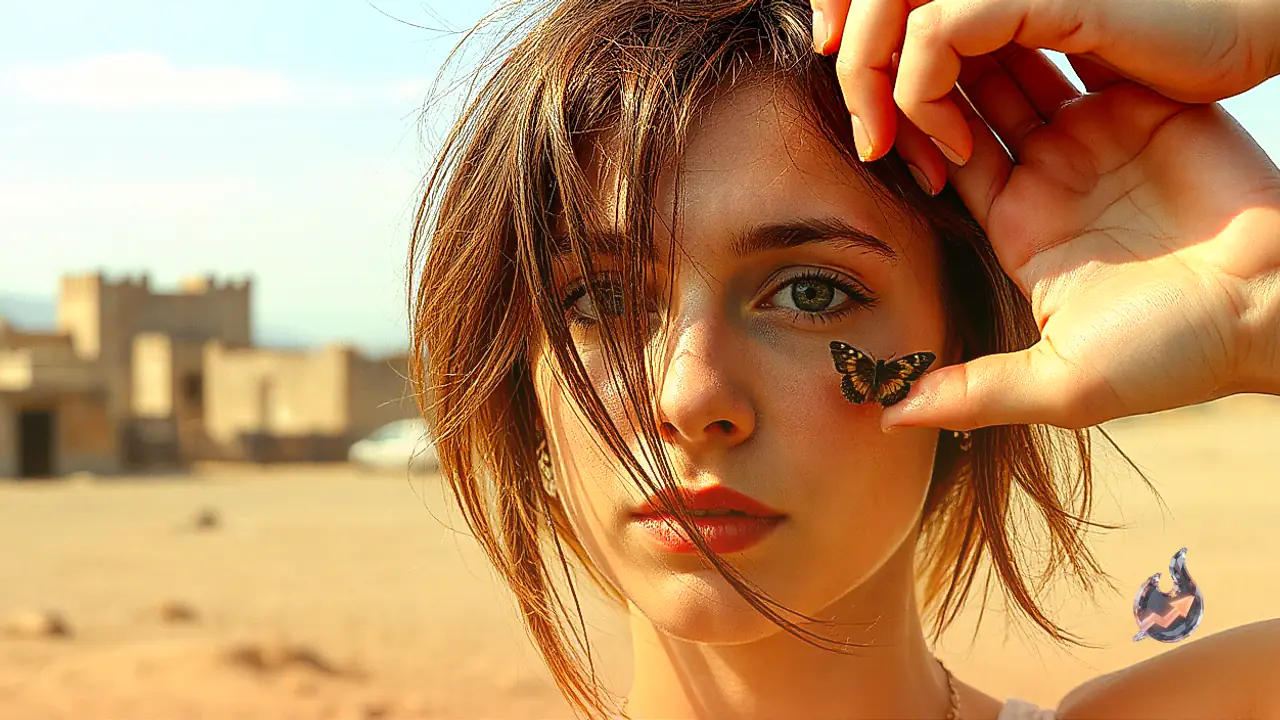
The distinctive moniker assigned to this haircut stems directly from how the cut layers behave once styled. When round rollers or targeted blow-drying tools direct the individual layers outward, the hair ends sweep back away from the face. This motion creates a symmetrical spread that mirrors the fluttering wings of a butterfly in flight. The resulting dual-wing structure and fluid, lightweight motion are what led stylists and fashion enthusiasts to label it the butterfly haircut.
Customization Across Hair Textures and Diverse Face Types
According to hair stylist Mahendra, wide versatility remains the primary reason behind the enduring popularity of this cut. Rather than remaining restricted to a single facial structure, the butterfly haircut can be adapted to round, oval, square, and heart-shaped faces with subtle adjustments to where each layer begins. Furthermore, it works effectively across straight, wavy, and naturally curly hair types. Achieving the ideal outcome requires the stylist to carefully assess the hair volume, strand thickness, and underlying texture before deciding the exact spacing of the layers. Because of this adaptability, the cut transitions effortlessly from everyday casual settings to formal festive celebrations.