





















Travelers passing through the Rampur area of Satna district in Madhya Pradesh are regularly greeted by the sweet, rich aroma of milk simmering over traditional hearths. This enticing fragrance signals the presence of Khurchan, an iconic regional sweet that represents more than a century of continuous culinary heritage. Prepared by patiently reducing pure milk over gentle heat, this layered delicacy has established a formidable reputation that extends well beyond local boundaries to domestic and international markets.
A Historic 3-Kilometre Stretch of 150 Highway Shops
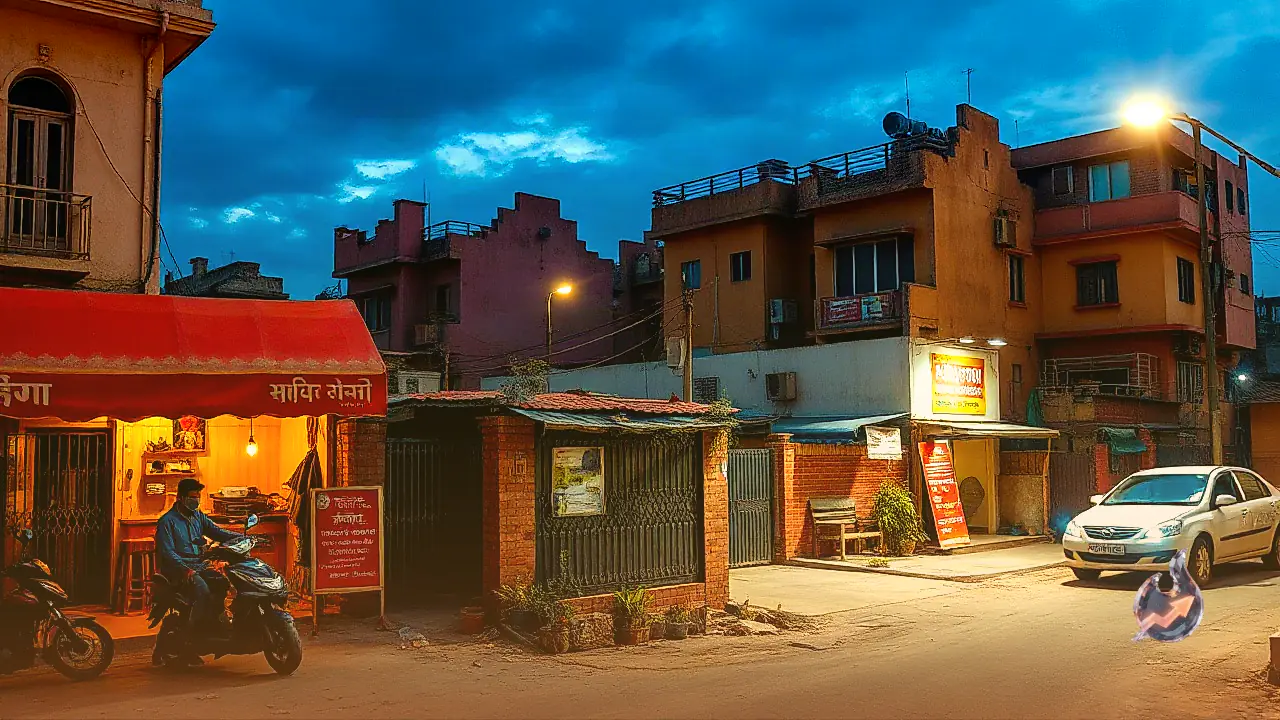
Along a 3-kilometre stretch of the National Highway passing through Rampur Baghelan, a bustling commercial corridor dedicated to Khurchan has developed. Dating back to the era before India gained independence, this specialized marketplace has thrived for over 100 years. Today, approximately 150 shops line the highway edge, creating a vibrant sweet hub where travelers, regional patrons, and commercial haulers frequently pull over to purchase freshly prepared packs.
Three Generations of Craftsmanship Inside Tin-Roofed Stalls
Among the skilled artisans sustaining this craft is Kamlesh Pandey, a resident of Ward Number 5 in Nemua village within the Rampur Baghelan region. Having spent more than 40 years preparing and selling Khurchan, Pandey represents the third generation of his family engaged in this profession. He acquired the foundational techniques of milk reduction and layering directly from his parents.
During the early phase of his business journey, Kamlesh Pandey operated from a permanent roadside dhaba structure. Over time, adapting to highway dynamics, he transitioned to a roadside tin-shed stall, mirroring other vendors along the strip. Operating from this village-based tin shed, he comfortably sells between 5 and 10 kilograms of Khurchan on an ordinary day, while catering to bulk custom orders separately. Pandey's hand-crafted sweet orders reach destinations as distant as the United States, alongside broader consignments originating from Rampur that dispatch to multiple Indian states and overseas territories.
The Methodical Process of Simmering Milk Across Six Cauldrons
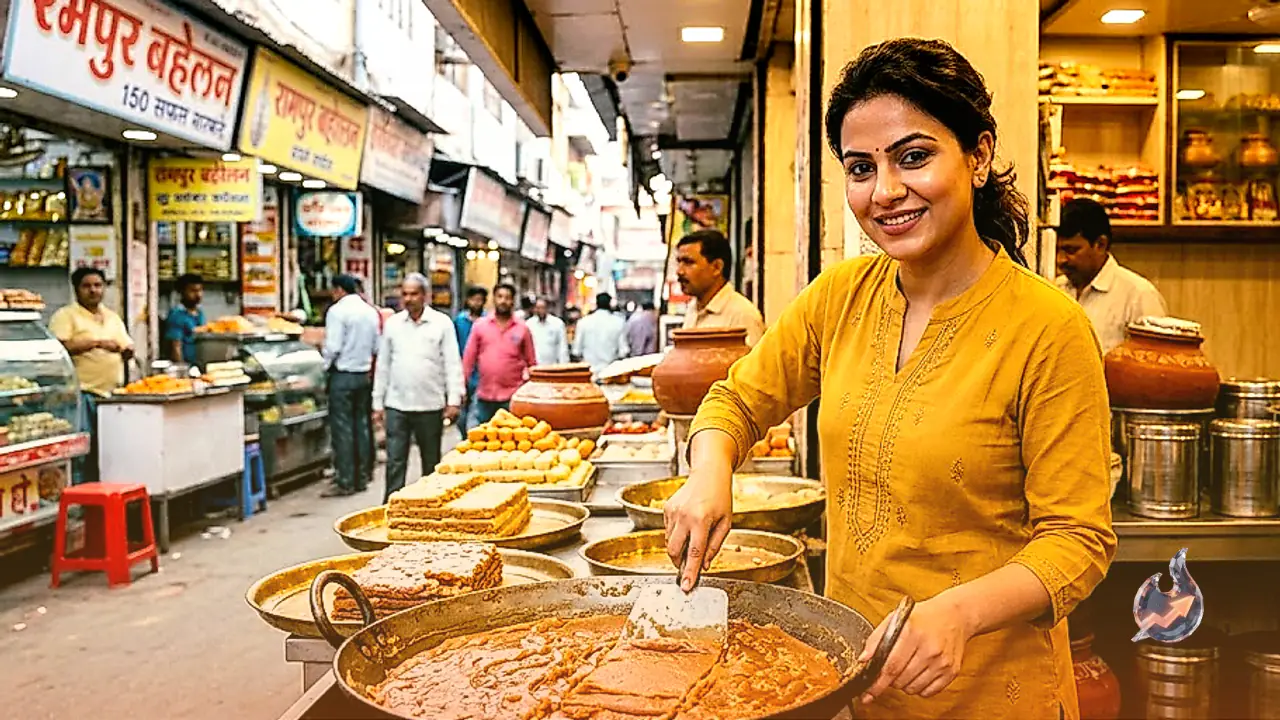
The culinary methodology behind Khurchan is rooted in uncomplicated yet meticulous traditional steps. Production begins by placing six iron cauldrons simultaneously over low-flame hearths. Each individual cauldron is then filled with one pau of pure milk. As the liquid slowly heats and simmers, a thick, rich layer of clotted cream consistently rises and settles along the upper edges of the pan.
Using a specialized scraping implement known locally as a khurchani, craftsmen carefully scrape this condensed creamy skin from the vessel walls. A light sprinkle of sugar is integrated into each collected portion. This reduction cycle repeats continuously across the pans, stacking successive layers of scraped clotted cream atop one another while gradually infusing sugar between the tiers.
Available Varieties and Price Points for Rolls and Slices
Rampur artisans present this milk sweet to retail customers in two distinct presentations, differentiated by assembly technique and market pricing
- Rolled Khurchan: In this premium version, the collected creamy sheets are gathered and rolled into cylindrical logs. This variety retails at 600 rupees per kilogram.
- Sliced Khurchan Pieces: Here, the flattened creamy sheets are stacked flat in layers and diced into individual bite-sized squares. This style is priced at 400 rupees per kilogram.
Generating 60,000 Rupees Monthly and Driving a Multi-Crore Trade
This culinary specialty serves as a robust pillar of the local rural economy around Rampur Baghelan. Small and mid-scale vendors along the route routinely sell around 5 kilograms of Khurchan daily, generating steady earnings of up to 60,000 rupees each month. At the upper tier of the trade, larger suppliers oversee commercial operations whose collective turnover exceeds several crores of rupees.
More than 150 families across Rampur and neighboring villages derive direct income from manufacturing and selling the sweet. Furthermore, the ecosystem supports thousands of residents throughout the region by fueling local dairy trade, ensuring constant bulk milk procurement from dairy farmers and animal keepers.