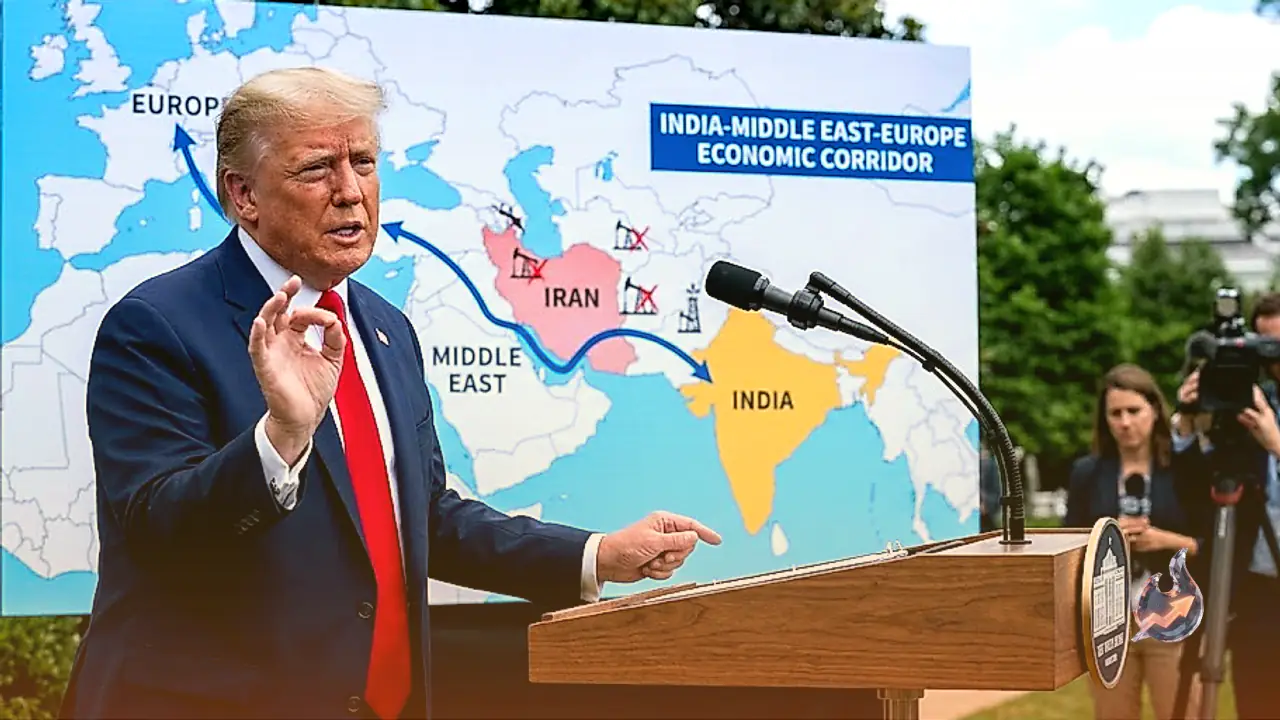


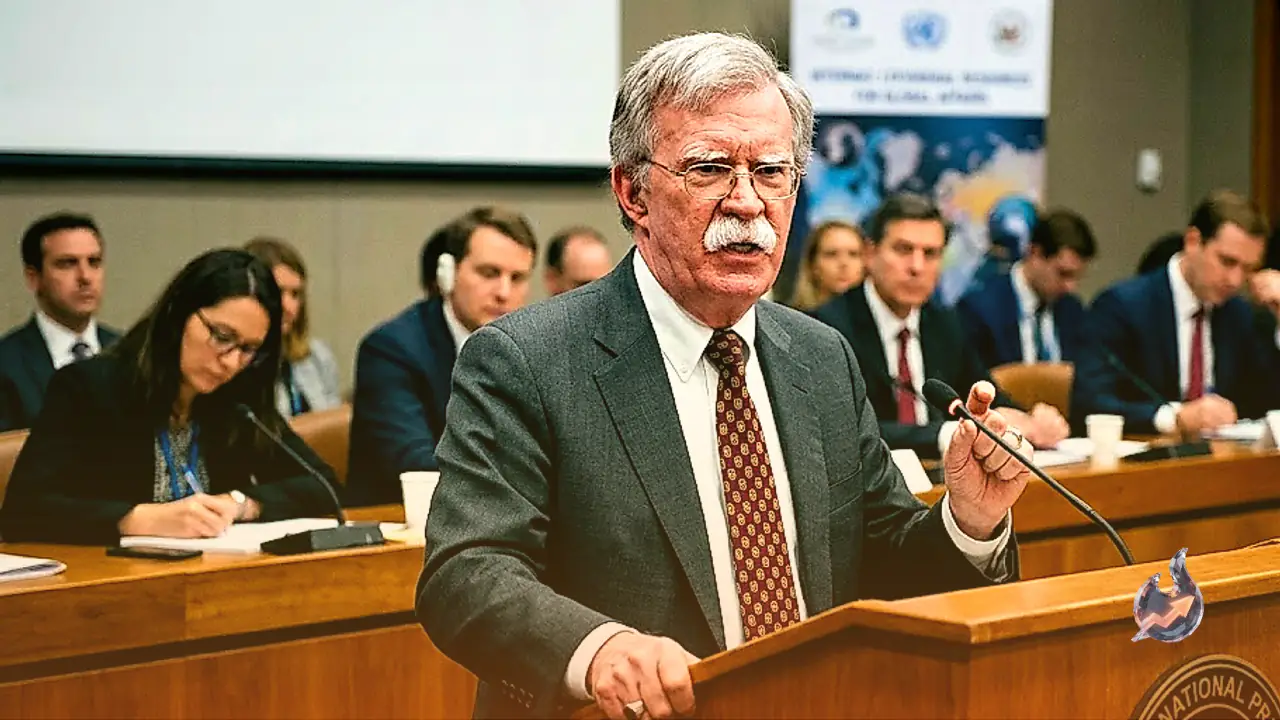

















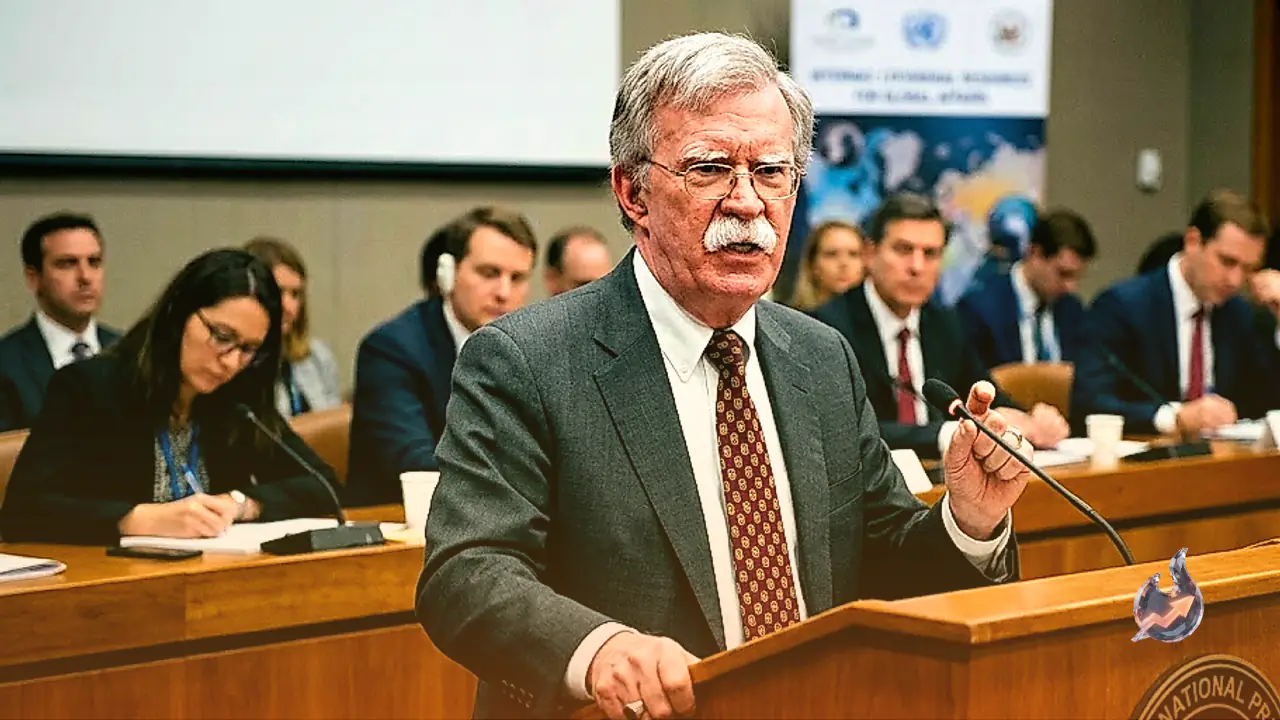

While global leaders view the India-Middle East-Europe Economic Corridor as a transformative trade initiative, former US National Security Advisor John Bolton has voiced strong skepticism regarding its practical security. Acknowledging the corridor's economic promise, Bolton cautioned that sea lanes passing through the Middle East will never be genuinely secure until there is regime change in Iran. Without fundamental governance shifts in Tehran, he argued, regional stability and uninterrupted commerce will remain perpetually vulnerable to disruption.
The Two-Part Structure Established in 2023
Launched in 2023, the India-Middle East-Europe Economic Corridor was conceptualized to fundamentally transform supply chains across three distinct continents. The project relies on an Eastern Corridor designed to connect India with the Gulf, alongside a Northern Corridor that bridges the Gulf region directly with Europe. Connecting India, West Asia, and Europe reflects what Bolton described as a logical strategic evolution in international trade ties.
Trump Administration Accused of Lacking Regional Vision
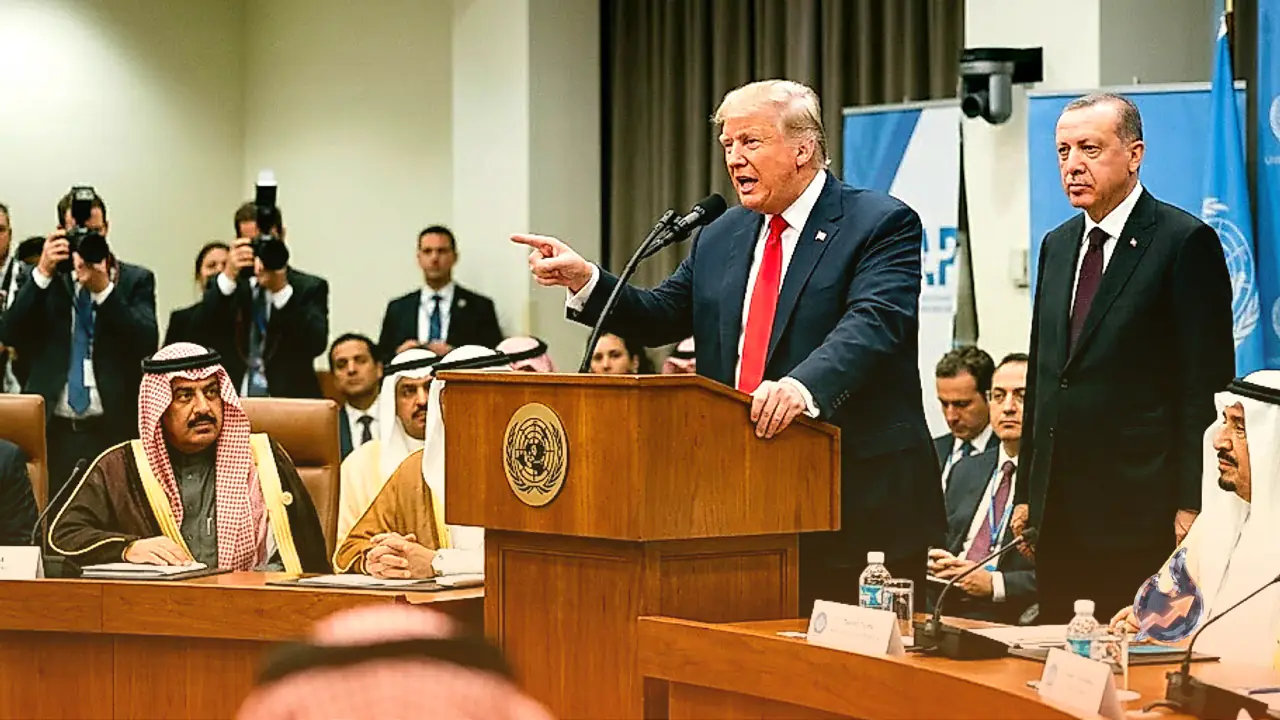
Critiquing US President Donald Trump's public endorsement of the trade initiative and his broader foreign policy approach, Bolton argued that the administration operates without a coherent regional strategy. According to Bolton, the current US posture tends to examine complex geopolitical challenges in complete isolation rather than formulating a cohesive, long-term framework to resolve systemic threats across West Asia.
Vulnerabilities Across Critical Maritime Choke Points
Bolton emphasized that growing diplomatic and economic integration between Europe, India, and Middle Eastern partners is a sensible initiative. However, he warned that security risks linked to Iran place key maritime choke points in grave danger. Commercial cargo vessels navigating through narrow maritime waterways face persistent risks, threatening the viability of international trade corridors.
Tehran's Leadership Identified as Primary Hurdle
Identifying the leadership in Tehran as the central impediment to Middle Eastern tranquility, Bolton stated that genuine stability cannot take root under the existing Iranian government. He maintained that regional security will remain elusive until authority shifts into the hands of the Iranian people, reiterating that a stable international trade route cannot function while the current administration in Iran holds power.
Threats Looming Over Hormuz and Bab el-Mandeb
Pointing to ongoing maritime turbulence, Bolton noted that cargo moving through the region remains exposed to disruption. This threat is visible not only in the vital Strait of Hormuz but also near the southern entrance of the Red Sea at the Bab el-Mandeb strait. The vulnerability of both strategic waterways underlines the fragile operational reality confronting global supply lines.
Donald Trump's Push for Alternative Energy Corridors
These warnings follow earlier statements from US President Donald Trump, who highlighted the necessity of shifting regional energy infrastructure away from Iranian checkpoints. Emphasizing that Iranian behavior had underscored those vulnerabilities, Trump reaffirmed his administration's vigorous backing of the India-Middle East-Europe Economic Corridor, alongside alternative oil export routes such as pipelines, to insulate global energy transit from hostile checkpoints.