

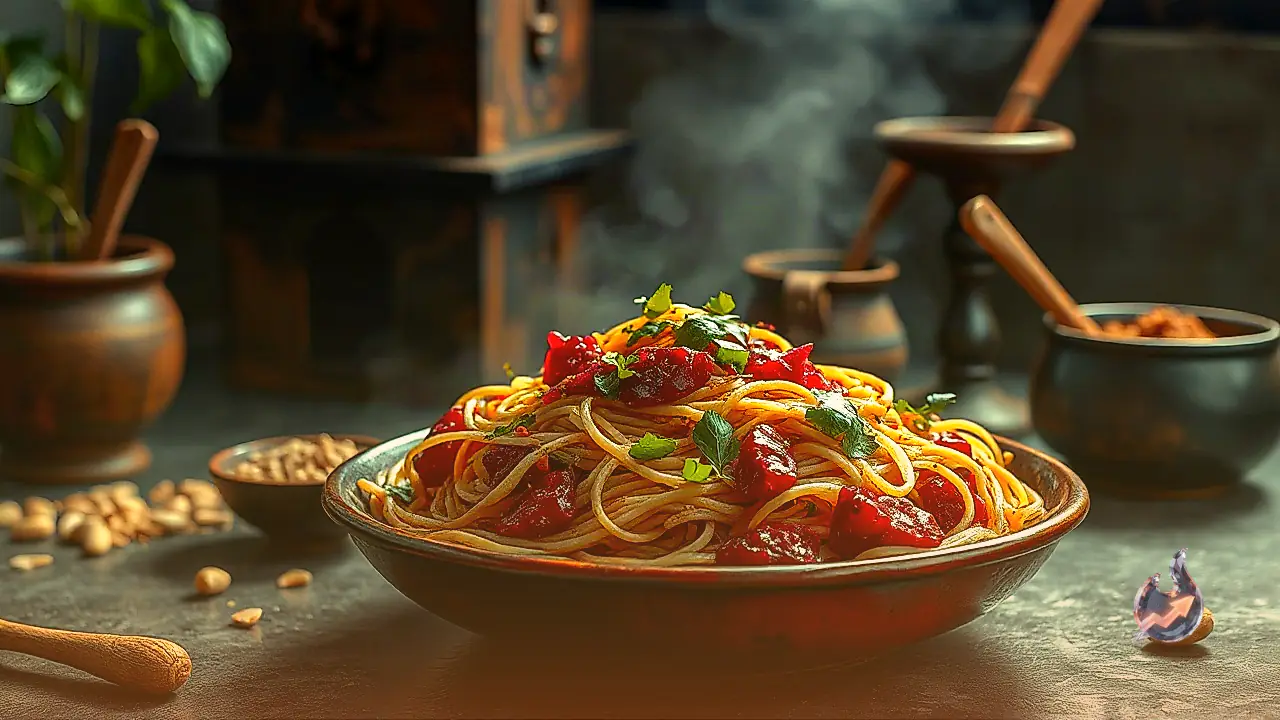




















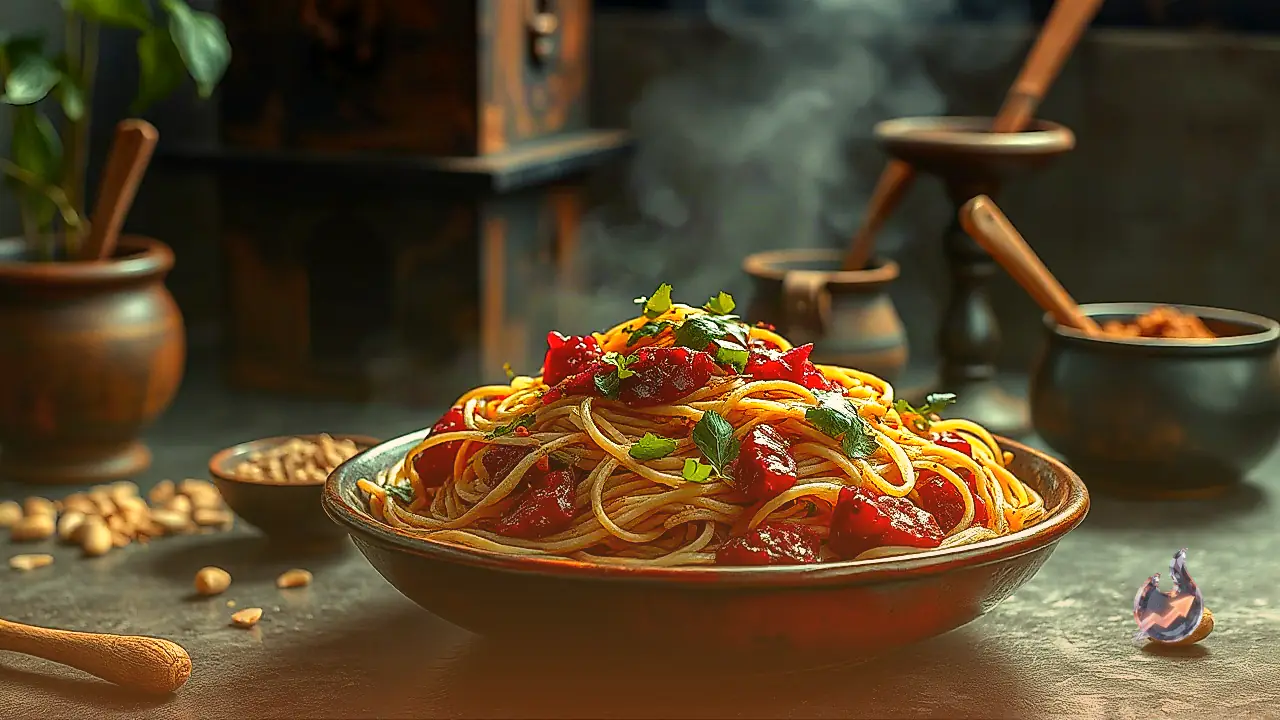

Whenever vermicelli is mentioned in Indian households, it almost instinctively conjures up images of rich, creamy kheer simmered with full-fat milk, sugar, and an assortment of aromatic dry fruits. However, vermicelli is far more versatile than just a dessert staple, serving as an exceptional foundation for a light, delicious, and distinctly non-sticky savory breakfast. Radhika Prajapati, a homemaker from Koderma, has outlined a simple and flavorful technique to prepare this savory vermicelli dish, locally known as namkeen sevai. Designed to be both comforting and wholesome, this quick preparation works equally well as a revitalizing morning breakfast alongside a cup of hot tea or as an effortless snack to curb evening hunger pangs.
Essential Ingredients and Fresh Additions
The foundation of this savory preparation begins with standard, unroasted vermicelli. According to Radhika Prajapati, the beauty of the dish lies in its adaptability, allowing home cooks to introduce fresh produce and fragrant seasonings tailored to individual tastes. The core ingredients featured in this recipe include finely chopped beetroot, garlic, onions, tomatoes, fresh coriander leaves, green chillies, aromatic curry leaves, and pre-fried whole peanuts. Incorporating beetroot lends the dish a captivating earthy sweetness along with a vibrant hue, while the fried peanuts introduce a pleasant crunch in every bite. This blend of aromatics, legumes, and colorful vegetables not only enhances the overall nutritional profile but also elevates the humble vermicelli with layered textures and robust flavors.
The Boiling Technique for Non-Sticky Strands
Mastering the texture of namkeen sevai depends entirely on how the vermicelli is handled during the initial boiling stage. To begin, bring an ample amount of water to a rolling boil in a deep vessel. Once the water is thoroughly heated, add the unroasted vermicelli and allow it to boil steadily for approximately four to five minutes. As soon as the water achieves its first vigorous boil and the strands turn tender yet firm, immediately pull the pan off the heat and pass the contents through a fine colander to drain out every drop of excess cooking water.
Right after draining, tossing the warm vermicelli with a light drizzle of cooking oil is the single most critical intervention. The delicate coating of oil prevents the individual starch-rich strands from sticking together as they cool, ensuring that the vermicelli remains remarkably fluffy, light, and separate once fully cooked. Prajapati emphasizes that this straightforward kitchen tip is vital for granting the finished dish its signature loose, pilaf-like consistency rather than turning into a dense clump.
Building the Tempering and Sautéing the Base
With the vermicelli prepared, the next step involves assembling the tempered spice base in a wide pan or wok. Pour in a measured amount of cooking oil, tilting the pan so the oil coats the entire base evenly before turning up the heat. When the oil is adequately hot, introduce mustard seeds along with dried red chillies, letting them crackle and release their fragrant oils. Next, toss in the diced beetroot, fresh curry leaves, chopped onions, and crushed garlic, sautéing everything together over medium heat for roughly one to two minutes.
Once the onions turn translucent and the garlic releases its sweet fragrance without burning, incorporate the diced ripe tomatoes along with the previously fried peanuts. Stir the ingredients continuously, allowing the tomatoes to soften slightly and merge with the sautéed aromatics. Season the pan by sprinkling salt according to taste, followed by a pinch of turmeric powder for warmth and ground black pepper powder, locally referred to as golki powder, to infuse a gentle, lingering peppery heat.
Final Toss and Serving Suggestions
After the seasoning and vegetables have combined into a fragrant, coherent mixture, gently fold in the boiled and oil-coated vermicelli. Over moderate heat, toss the vermicelli with the spiced vegetable mixture for about one to two minutes, ensuring every strand is thoroughly coated in the seasonings. It is essential to avoid overcooking or prolonged heating at this juncture, as excessive time in the pan can compromise the texture, turning the delicate strands mushy instead of keeping them distinctly separate and light. Once evenly heated through, turn off the flame, garnish with freshly chopped coriander leaves, and serve warm.