


















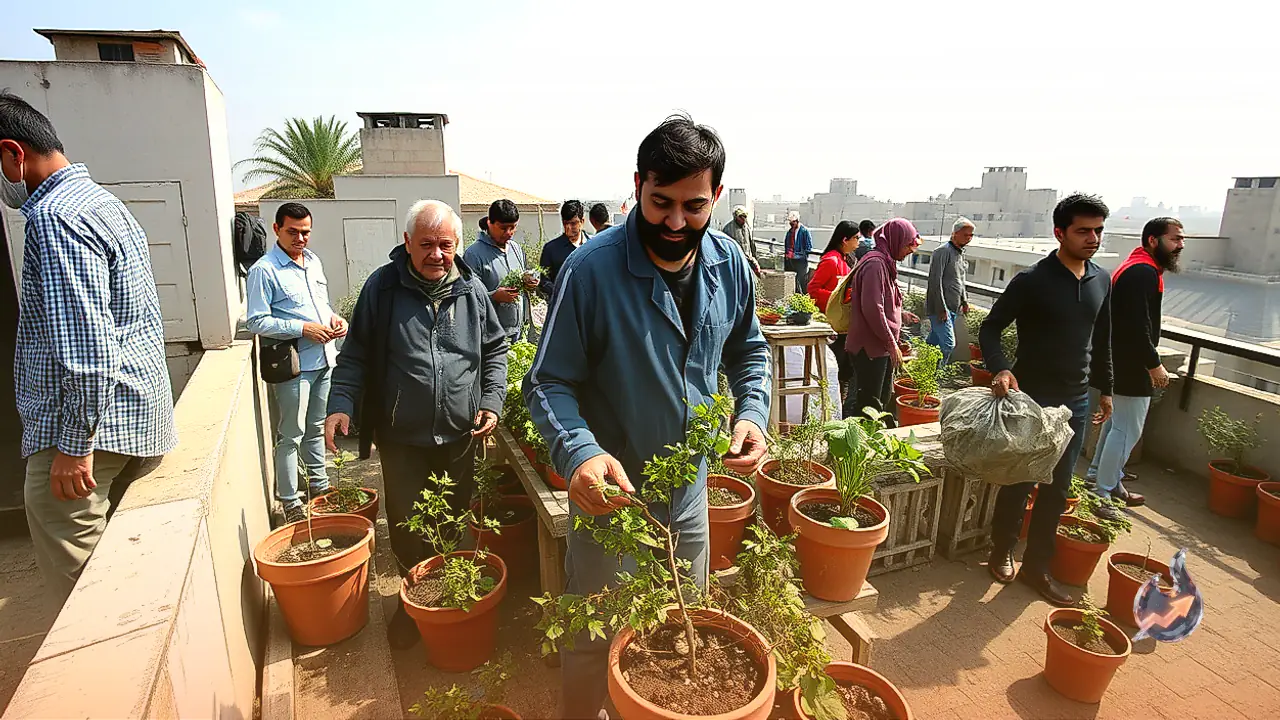

A visible transition is underway among urban gardening enthusiasts regarding the materials they select for container planting. Traditionally, earthen pots and concrete planters dominated residential rooftops, verandahs, and open balconies. However, the substantial dead weight of cement and wet soil places significant structural strain on building slabs, raising concerns about potential damage or long-term structural wear. In response to these concerns, modern fibre and durable plastic planters have surged in popularity across garden markets, drawing substantial customer interest as safe and practical replacements.
Transition Away from Heavy Earthen Containers
Nursery operator Nek Singh noted that consumer demand was once almost entirely centered on conventional clay and cement options. Over time, consumer preferences have shifted decidedly toward modern alternatives. Households aiming to cultivate plants on terrace areas, compact balconies, or domestic gardens are increasingly adopting plastic and fibre pots available across diverse varieties. Their exceptionally light weight stands out as their primary advantage, enabling residents to shift arrangements easily without straining themselves or structural surfaces.
Durability and Plant Growth Conditions
According to Nek Singh, planters manufactured from plastic and fibre offer impressive durability and strength. They exhibit strong resistance to harsh weather conditions, avoiding the crumbling and cracking commonly caused by intense sunlight, moisture, and seasonal temperature swings. Consequently, their functional lifespan remains extended over many years. Furthermore, vegetation planted within these lightweight vessels demonstrates healthy growth, making them an efficient alternative to fragile, cumbersome pots.
Expanding Popularity Across Urban Centres
The uptake of lightweight planting containers has gained momentum across several major cities, including Pune and Kolkata, and has equally taken root in Moradabad where local shoppers are purchasing fibre units in large quantities. A sharp rise in demand has been observed since the year 2024, reflecting an enduring trend toward convenient urban gardening setups. As terrace and balcony layouts continue to be the primary green spaces for modern homes, the preference for lightweight fibre containers is expected to expand further in the coming years.