




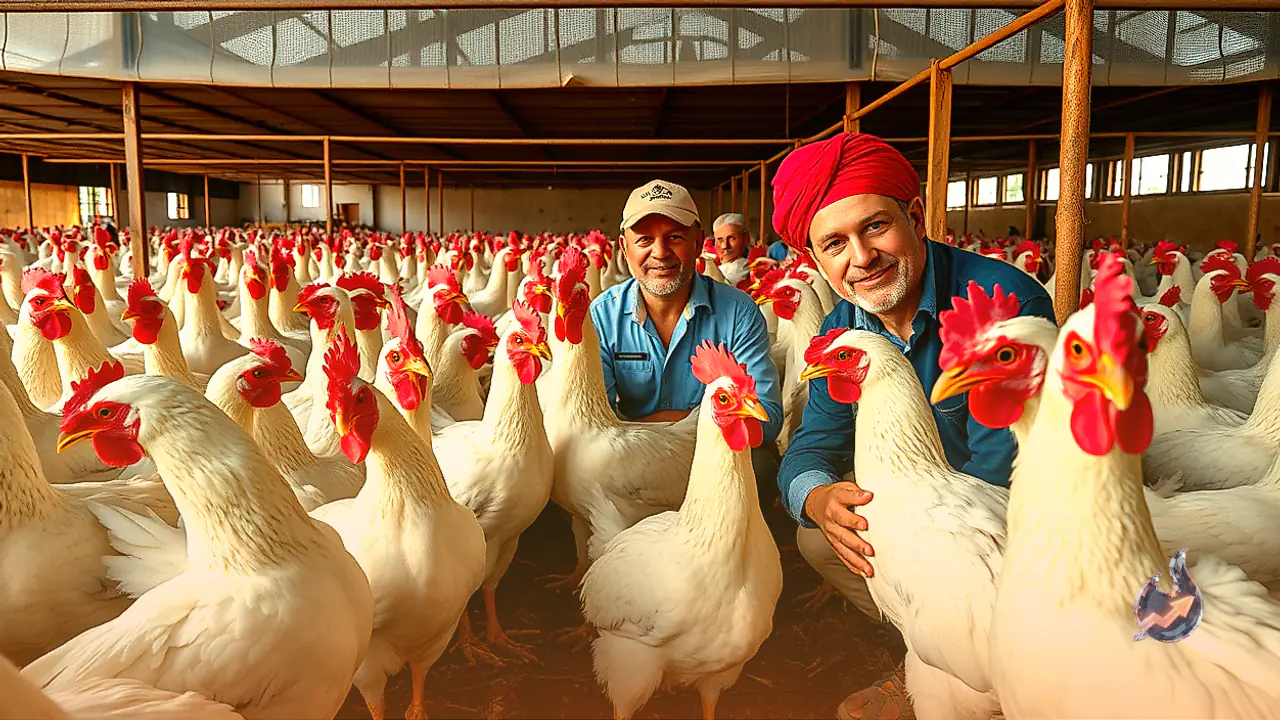

















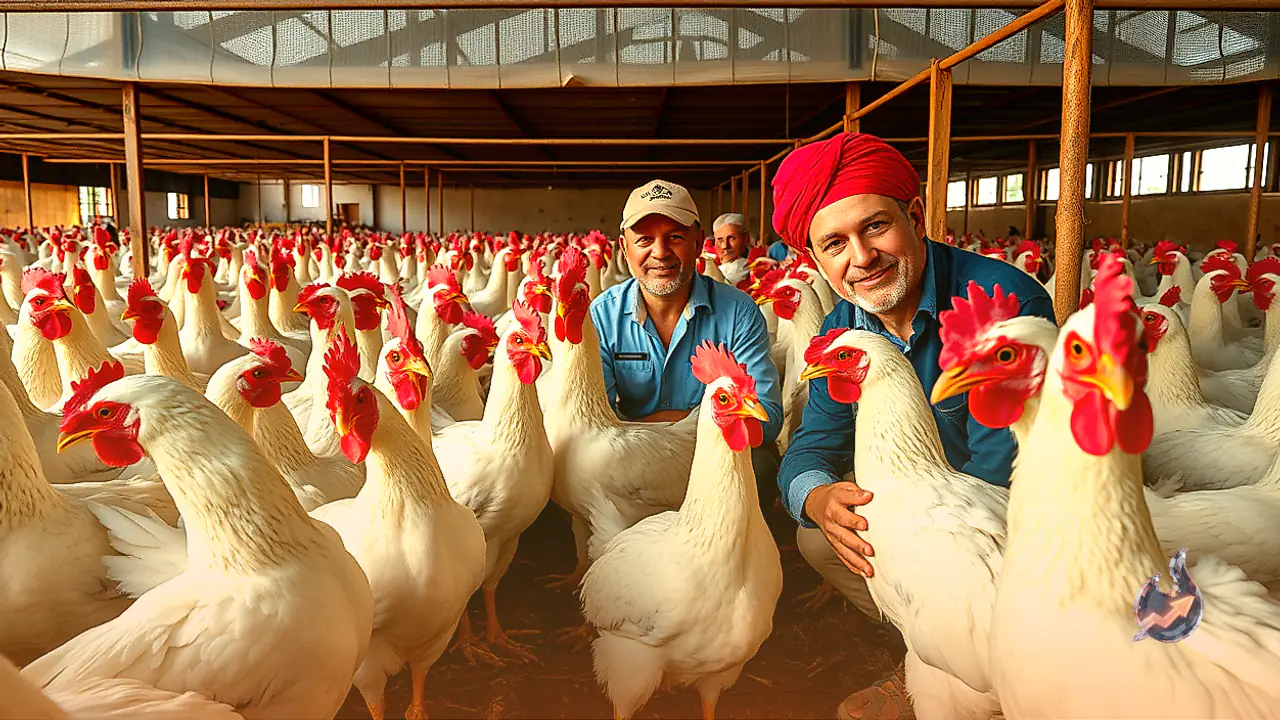

Running a poultry farming enterprise alongside conventional agriculture has emerged as an effective avenue for rural and peri-urban cultivators to augment their household income. However, securing steady productivity and avoiding crippling financial losses demands rigorous, day-to-day managerial discipline. By attending to core operational details ranging from feed quality and hydration to coop sanitation, seasonal weather management, and proactive disease control, farm operators can sustain flock wellness and safeguard their margins.
Nutritional Balance and Feed Storage Guidelines
Dr. Rakesh Kumar Tiwari, Deputy Chief Veterinary Officer, explains that routine husbandry management directly dictates flock health and output. When poultry receive age-appropriate balanced feed, consume clean water, and inhabit hygienic surroundings, the likelihood of flock infection drops substantially.
Supporting steady weight gain and optimal egg output requires nutrient-rich, balanced poultry feed. Because young chicks possess different dietary requirements than mature birds, formulations must correspond strictly to the flock's growth phase. Layer hens producing eggs require rations fortified with adequate calcium alongside vital micronutrients to sustain eggshell quality. Proper feed storage remains equally critical. Feed bags must consistently reside in clean, dry enclosures away from moisture, as damp storage promotes fungal spoilage and toxin buildup that can severely undermine bird wellness.
Water Sanitation and Coop Hygiene Standards
Flocks must enjoy uninterrupted access to fresh, uncontaminated drinking water. Fluid intake surges during hot summer periods, making water shortages hazardous to flock survival. Routine cleaning of drinkers and water vessels is mandatory. Drinking stagnant or polluted water dramatically increases disease transmission across the housing unit, meaning farm attendants must prevent scum and dirt buildup by scrubbing utensils frequently.
The indoor housing floor must stay persistently dry and tidy. Farm workers must prevent the accumulation of moisture, spilled liquid, or wet manure on coop surfaces. Whenever floor bedding or litter becomes wet, it should be removed and replenished with dry material without delay. The poultry house requires reliable ventilation for cross air circulation, though attendants must ensure cold drafts do not strike the flock directly, which could trigger respiratory distress.
Seasonal Protection and Proactive Flock Health Monitoring
Adapting shelter conditions across seasonal shifts protects birds from acute temperature stress. During summer, birds require breezy, relatively cooler environments. Throughout monsoon rains, operators must eliminate standing water puddles surrounding the poultry house while insulating the interior against ambient dampness. In winter months, young and delicate chicks require supplemental warming arrangements to shield them from freezing temperatures.
Caretakers must remain attentive to flock demeanor. Should any bird appear listless, reduce its water and feed consumption, or exhibit unusual behavior, handlers must act promptly rather than ignoring the indicators. Suspected ailing birds should be isolated immediately from the rest of the flock, followed by prompt veterinary examination. Administering scheduled vaccinations strictly in alignment with expert veterinary guidance prevents catastrophic infectious outbreaks and protects the producer against widespread mortality losses.
Avoiding Overcrowding and Maintaining Financial Records
Confining more birds than a structure is engineered to hold escalates transmission pathways for infectious pathogens. Excessive flock density restricts individual physical space, impedes free access to feeding stations and watering fonts, and compromises interior airflow. Restricting flock volume to the dimensions of available floor space grants birds physical comfort and reduces contagion risks.
Before launching a flock cycle, operators must budget anticipated expenditures across chick procurement, commercial feed, veterinary medicine, electricity, and ancillary operational supplies. Furthermore, identifying target markets and reliable commercial buyers for both eggs and meat prior to production yields significant marketing advantages. Keeping meticulous day-to-day accounts of operating outlays and daily yield figures allows producers to track exact production costs, monitor net profitability, and run an economically viable poultry enterprise.