



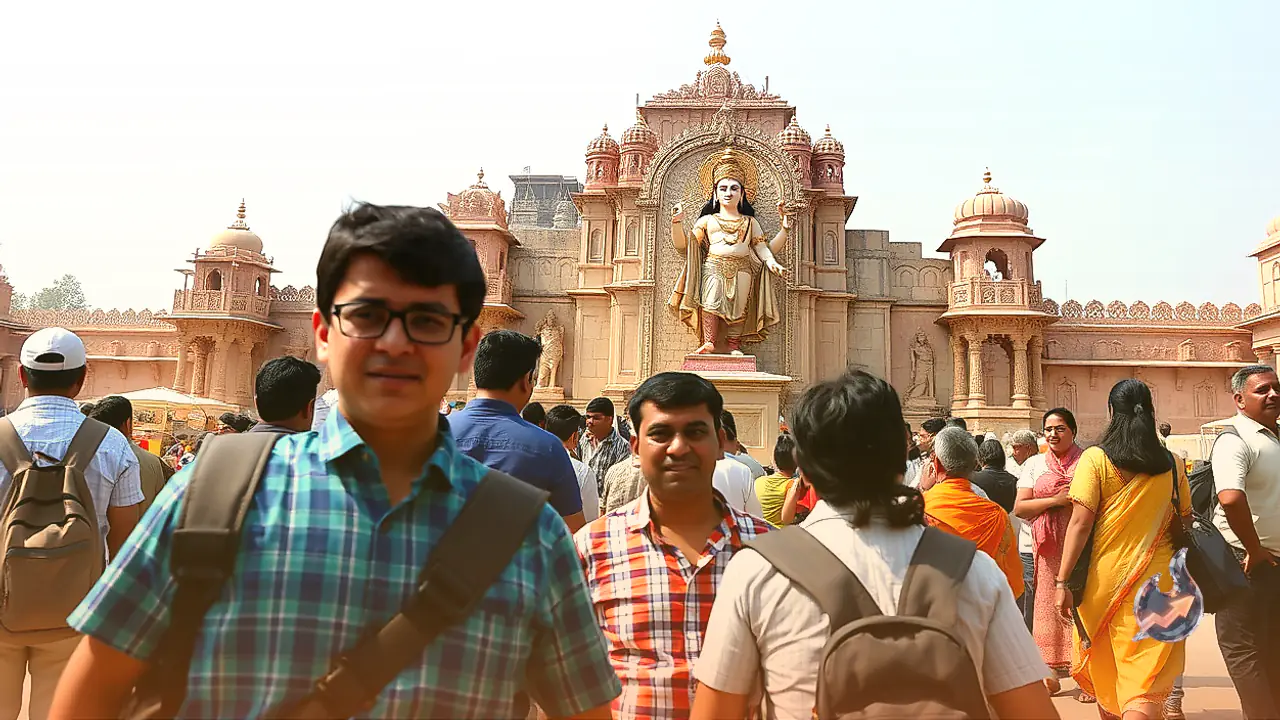


















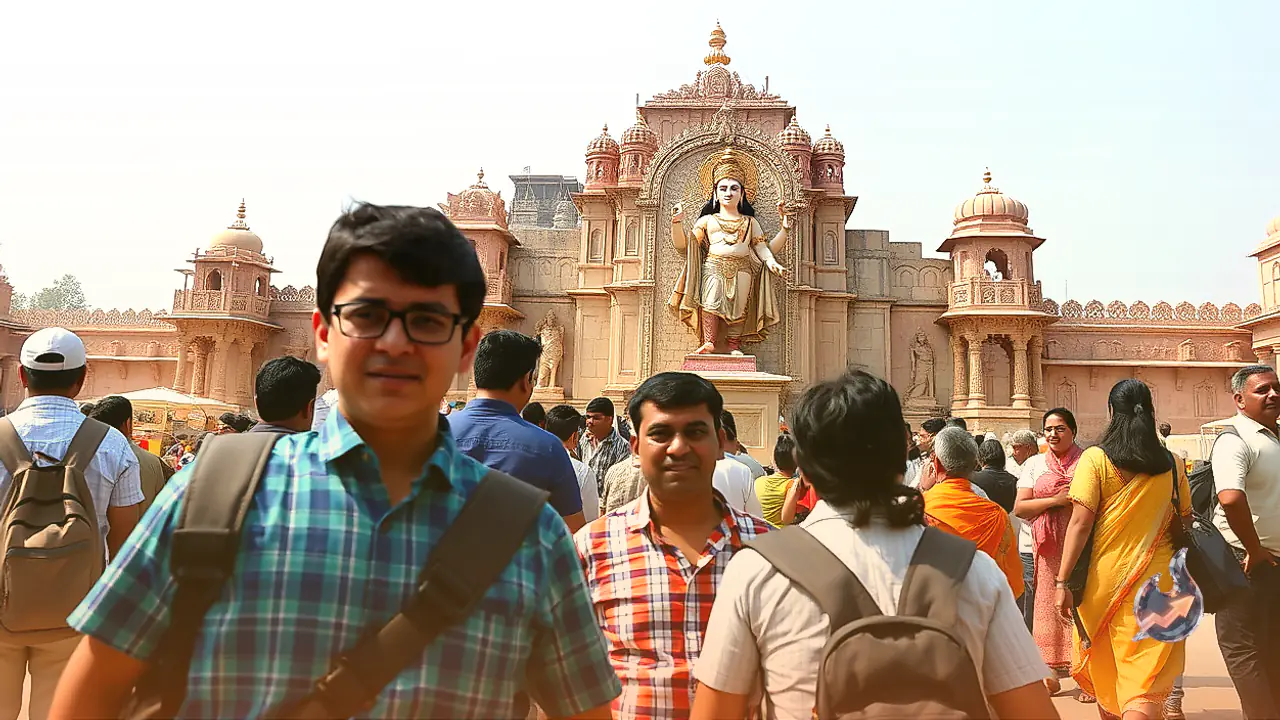

Following five centuries of anticipation and effort, the grand Ram Temple stands fully realized in Ayodhya, welcoming pilgrims from across the globe. For families planning a spiritual journey to the holy city during Diwali, the destination offers an experience steeped in both ancient devotion and architectural grandeur. The visit is not limited to the central sanctum alone, as the sprawling pilgrimage circuit features multiple sacred spots, scenic riverfronts, and historical monuments that vividly recreate the cultural tapestry of the Ramayana era.
The Ram Temple Complex and the Serenity of Kuber Tila
Within the expansive grounds of the Ram Temple, devotees can pay homage at eighteen distinct monasteries and temples situated alongside the primary shrine. The entire layout has been carefully planned to honor the venerable sages, saints, and spiritual leaders associated with the Ramayana epic, with dedicated shrines built to preserve their memory. Visitors can also head to Kuber Tila, an elevated sacred point located within the complex that offers an immersive spiritual ambiance, allowing pilgrims to engage in quiet reflection amidst sacred surroundings.
Ram Ki Paidi: The Centerpiece of Deepotsav Celebrations
Located right next to the banks of the Saryu River, Ram Ki Paidi serves as the primary gathering ground for Ayodhya's festive Deepotsav. On Diwali, several lakh earthen lamps are lit across the waterfront steps, transforming the banks into an uninterrupted expanse of golden light. Both pilgrims and leisure travelers visit this spot with their families to take in the religious significance and the festive atmosphere. Artistic depictions of scenes from the Ramayana adorn the area, and once darkness sets in, colorful decorative illumination reflects off the river, captivating onlookers.
Guptar Ghat: The Sacred Spot of Lord Ram's Departure
Perched on the edge of the Saryu River, Guptar Ghat ranks among the most revered pilgrimage destinations in Ayodhya. Traditional belief holds that Lord Ram entered the waters of the Saryu here to take Jal Samadhi before departing for his divine abode. Because of this spiritual milestone, the site carries immense religious weight for visitors. The wide stone steps, clean grounds, and tranquil riverside environment provide a calm retreat for meditation, with the morning and evening views offering a particularly scenic experience.
Lata Mangeshkar Chowk: A Monument to Musical Heritage
Dedicated to the memory of the legendary playback singer and Bharat Ratna awardee Lata Mangeshkar, this major intersection has become a favored gathering point for pilgrims and sightseers alike. Situated near the Saryu bank, the square is recognized by a massive sculpture of a Veena erected at its center, designed to celebrate India's rich musical tradition. During festive evenings, the entire intersection is illuminated with bright ornamental lights, making it a prominent visual landmark in the city.
Surya Kund: Peaceful Surroundings Away from the Crowds
Located roughly six kilometers away from the Ram Temple, Surya Kund offers a quiet sanctuary characterized by a calm, spiritual ambiance. The surrounding grounds have been developed with manicured open spaces and tasteful decorative elements, significantly enhancing the setting's charm. The reservoir is particularly picturesque during dawn and dusk. During Diwali and the Deepotsav festivities, Surya Kund is decked out with vibrant illumination and neatly arranged rows of glowing earthen lamps that draw admiring visitors.
Wax Museum: Contemporary Exhibits for Visiting Families
Providing a contrast to the ancient shrines, the Wax Museum has emerged as a popular modern stop for tourists touring Ayodhya. The gallery houses lifelike wax sculptures of renowned public figures from India and around the world, displayed in carefully styled thematic settings. With its sleek interior layout and modern exhibition spaces, the facility serves as an appealing destination for family outings, giving guests the opportunity to capture memorable photographs alongside realistic figures.
Mani Parvat: Ancient Legends and Scenic Elevation
Rising sixty-five feet above ground level, Mani Parvat blends natural landscape with ancient spiritual lore. Historical and religious traditions closely associate this elevated mound with Lord Ram and Goddess Sita. According to local lore, Goddess Sita used to enjoy swings at this location, which is why the site hosts traditional swing festivities and dedicated religious observances during the month of Sawan. During Diwali, the hill is also decorated with lakhs of lighted lamps, presenting a striking panoramic sight.
Kanak Bhawan: The Regal Palace of Goddess Sita
Following prayers at the Ram Temple and Hanuman Garhi, travelers routinely make their way to Kanak Bhawan, an indispensable part of Ayodhya's sacred geography. According to traditional accounts dating back to the Treta Yuga, Queen Kaikeyi presented this palace to Goddess Sita as a ceremonial gift upon her arrival. The temple enshrines Goddess Sita alongside Lord Ram in regal splendor. Visitors from all over the world appreciate the tranquil atmosphere of the palace, making it a meaningful final stop on their journey.