

















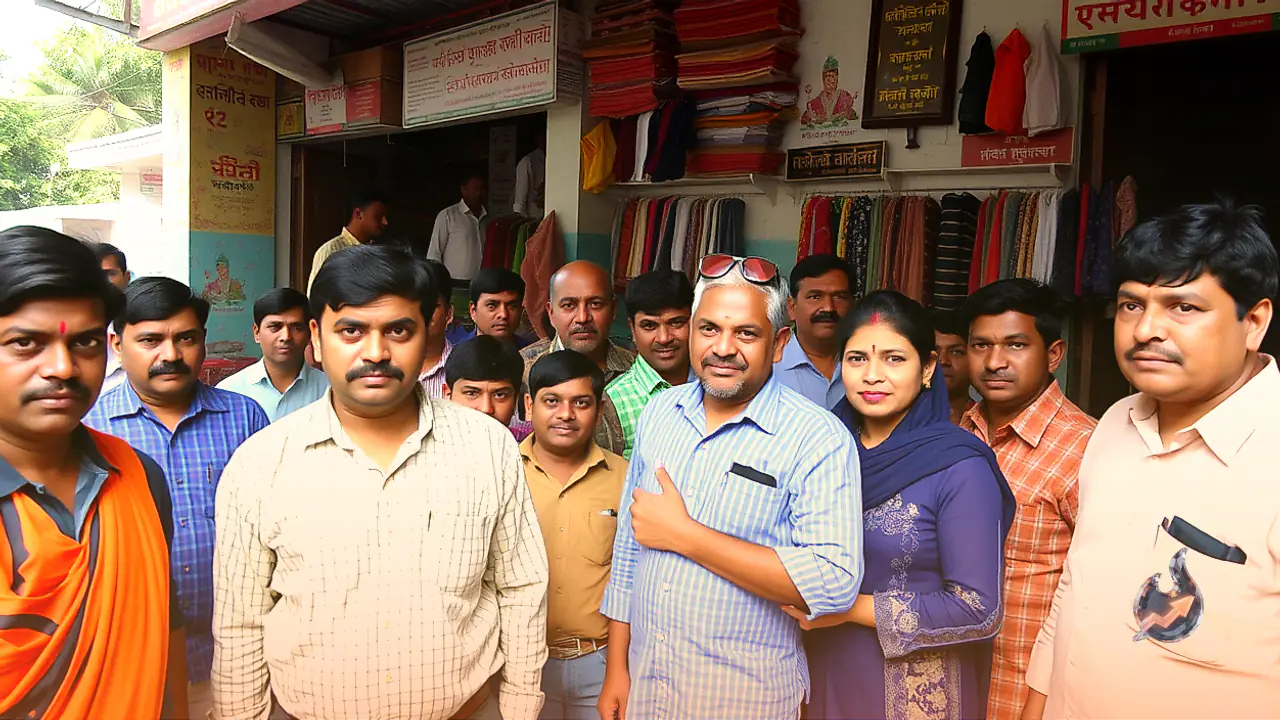

A significant skill development initiative has been launched for aspiring youths in Jharkhand seeking self-reliance through tailoring and garment craftsmanship. Situated near Maharana Pratap Chowk in Koderma, the Deen Dayal Upadhyaya Kaushal Kendra is offering free vocational training under the state government's Mukhyamantri Sarathi Yojana. The program focuses on the Sampling Tailor trade, aiming to empower young individuals with practical technical skills that connect directly with stable employment and self-employment opportunities.
Course Structure, Duration, and Candidate Facilities
To enroll in this specialized vocational trade, applicants must hold a minimum educational qualification of passing Class 10. According to trainer Sabeela Bano, the curriculum spans approximately 580 hours of rigorous practical study, taking roughly three months to conclude. The entire training is imparted free of charge, with no tuition or admission fees imposed on trainees. Additionally, the skill center provides completely free boarding, lodging, uniforms, bags, books, stationery, and all necessary consumable materials required for tailoring practice.
Comprehensive Garment Making and Practical Craftsmanship
Trainer Sabeela Bano highlighted that the sampling tailor module extends far beyond simply operating sewing machines, guiding students through the entire sequence of garment manufacturing. Trainees, particularly women, are taught drafting, cutting, and stitching for an array of clothing items, including suits, patiala salwars, coat-pants, shirts, blouses, and petticoats. The methodology centers heavily on hands-on practical sessions, ensuring that trainees build the exact competence needed to create finished garments independently by the time they graduate.
Hand, Machine, and Stone Embroidery Training
Recognizing the substantial market demand for intricate garment embellishment, the center has integrated versatile decorative techniques into the syllabus. Alongside routine stitching, learners are trained in hand embroidery, machine embroidery, and stone embroidery. Trainees are also instructed in crafting handmade home decor items and ornate fabric goods. Gaining mastery in decorative embroidery significantly expands economic avenues, allowing youths to work in designer boutiques, apparel exporters, or launch custom tailoring units.
Sewing Machine Maintenance and Technical Troubleshooting
Another focal area of the program is understanding machinery and routine upkeep. Trainees are introduced to the diverse classes of sewing machines available across industrial and domestic markets, learning how to handle each variant correctly. Furthermore, the curriculum covers diagnosing and repairing minor mechanical snags that frequently occur during daily work. Mastering basic machine maintenance ensures that operators do not experience downtime or incur repair expenses for minor issues when sewing garments.
Batch Details and Required Admission Documents
The sampling tailor training welcomes both male and female candidates, although women historically account for a larger share of enrollments. To maintain individual instructional attention, each learning batch is strictly capped at 30 candidates. The upcoming training batch is scheduled to commence on 15 October, and admissions are currently open. Candidates seeking enrollment must submit photocopies of their Aadhaar card, bank passbook, Class 10 passing certificate, and recent passport-size photographs at the center.
Placement Opportunities and Earning Potential
Upon concluding the three-month course, trainees receive placement support connecting them to garment manufacturing enterprises. Recruited candidates receive starting monthly remuneration ranging between 18,000 and 20,000 rupees, along with accommodation and food facilities provided by the employing firms. After approximately three months of employment, candidates also become eligible for salary increments based on job performance. Meanwhile, candidates preferring to stay home can easily establish their own local tailoring or boutique ventures using their acquired skills.