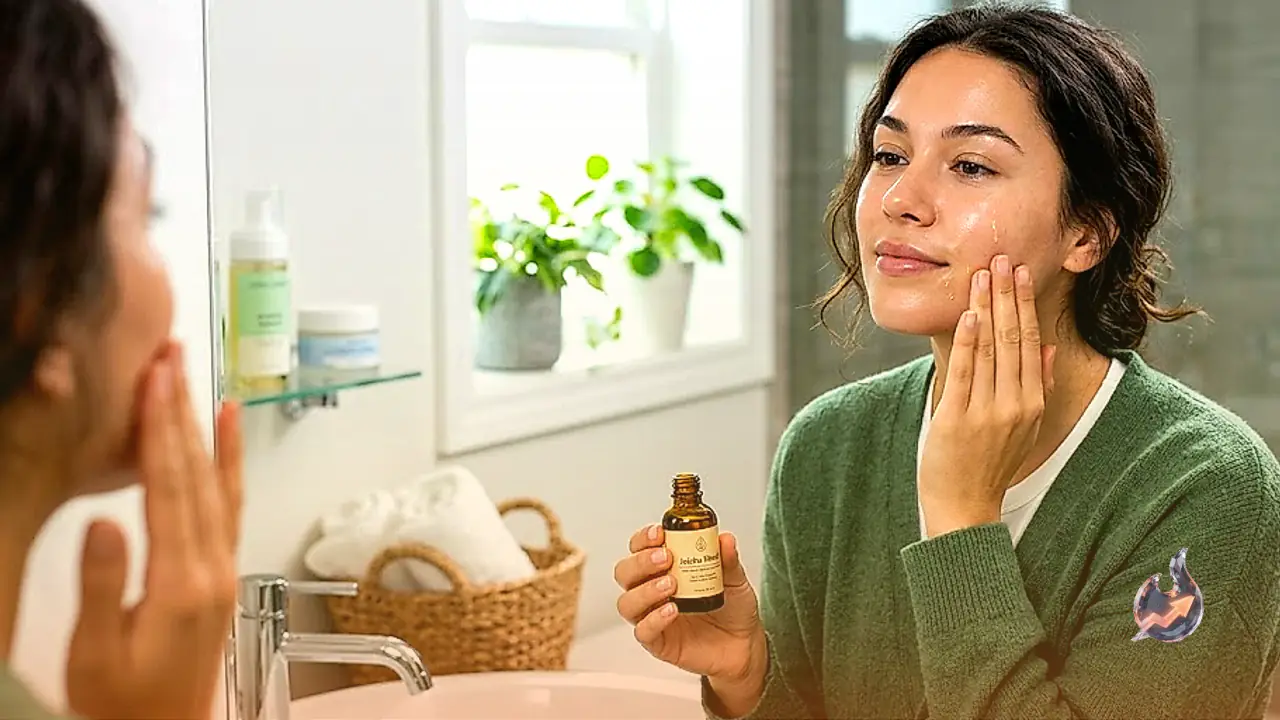

























When seeking alternatives to high-end commercial skincare products, many people turn to everyday household items found right in the kitchen. In Indian households, curd has long maintained a dual presence, serving as both a staple dietary component and a traditional topical remedy for facial care. Its soothing temperature and creamy texture have made it a regular fixture in home-based beauty routines. Dermatologist Ankita Vyas, in an informational video shared across social media, detailed the specific advantages curd can offer for skin health along with the vital precautions users must keep in mind.
Lactic Acid and Natural Fats: How Curd Nourishes the Skin
According to Ankita Vyas, the primary active component responsible for curd's cosmetic benefit is lactic acid. Acting as a mild exfoliating acid, lactic acid works gently on the surface layer of the epidermis to help slough away accumulated dead skin cells. As these surface residues clear, the face often appears noticeably cleaner, smoother, and refreshed. Furthermore, for individuals struggling with dry or lifeless-looking skin, applying curd can serve as an effective means of restoring moisture.
The natural fats and proteins naturally present in curd contribute significantly to softening the skin's surface and reinforcing its texture. These components provide a layer of hydration that helps relieve tightness and dullness. Nevertheless, users must remember that curd is not a medicinal cure. It should never be treated as a clinical treatment for dermatological diseases, active infections, or complex chronic skin disorders. Skin types vary widely across individuals, meaning results and tolerance will naturally differ from person to person.
Application Method and the Importance of Patch Testing
For those planning to incorporate curd into their skincare regimen, choosing the right variety is essential. The preparation should strictly consist of plain, unflavored curd devoid of any added sugars, flavors, or additives. Prior to application, the face should be thoroughly cleansed to eliminate surface grime. Users should then spread a very thin layer of curd evenly across the skin, leave it on for a short duration, and rinse it off gently using normal water. Vigorous rubbing or scrubbing must be avoided during rinsing.
First-time users are strongly advised not to apply curd immediately over their entire face. Conducting a preliminary patch test on a small, discrete patch of skin provides a far safer evaluation of individual tolerance. Those with sensitive or allergy-prone skin types need to exercise heightened caution to prevent unexpected irritation or flare-ups.
Hydrating with Glycerin and Steam-Distilled Rose Water
Beyond curd, Ankita Vyas discussed the practical application of combining glycerin with rose water for skin hydration. Glycerin functions as a humectant, meaning it actively attracts moisture from the surrounding environment and binds it within the skin layers. When paired with steam-distilled rose water, this mixture can effectively quench deeply dehydrated or parched complexions.
Scrutinizing the ingredient list of rose water before purchase is critical. Formulations infused with synthetic fragrances or unnecessary chemical additives can provoke burning, stinging, or redness, particularly in individuals with reactive skin barriers. Opting for clean, steam-distilled rose water and performing a localized spot test before broad application helps safeguard against adverse reactions.
Gram Flour and Honey Pack: Precautions for Compromised Skin
The familiar household combination of gram flour and honey also enjoys widespread popularity in routine skin maintenance. Gram flour assists in lifting away grime, impurities, and loose dead skin from the surface, while honey aids in sealing in moisture. Together, they create a balanced mixture that cleanses while keeping the skin pliable.
However, when applying this blend as a face mask, users should never scrub aggressively against the skin. In the presence of active acne breakouts, cuts, open sores, or pre-existing cutaneous irritation, applying scrubs or DIY face packs of any kind should be strictly avoided. Just because an ingredient is natural or culinary does not guarantee that it will be entirely benign for every individual. Common items such as curd, rose water, glycerin, gram flour, and honey can still provoke contact irritation or allergic reactions in certain skin types.