



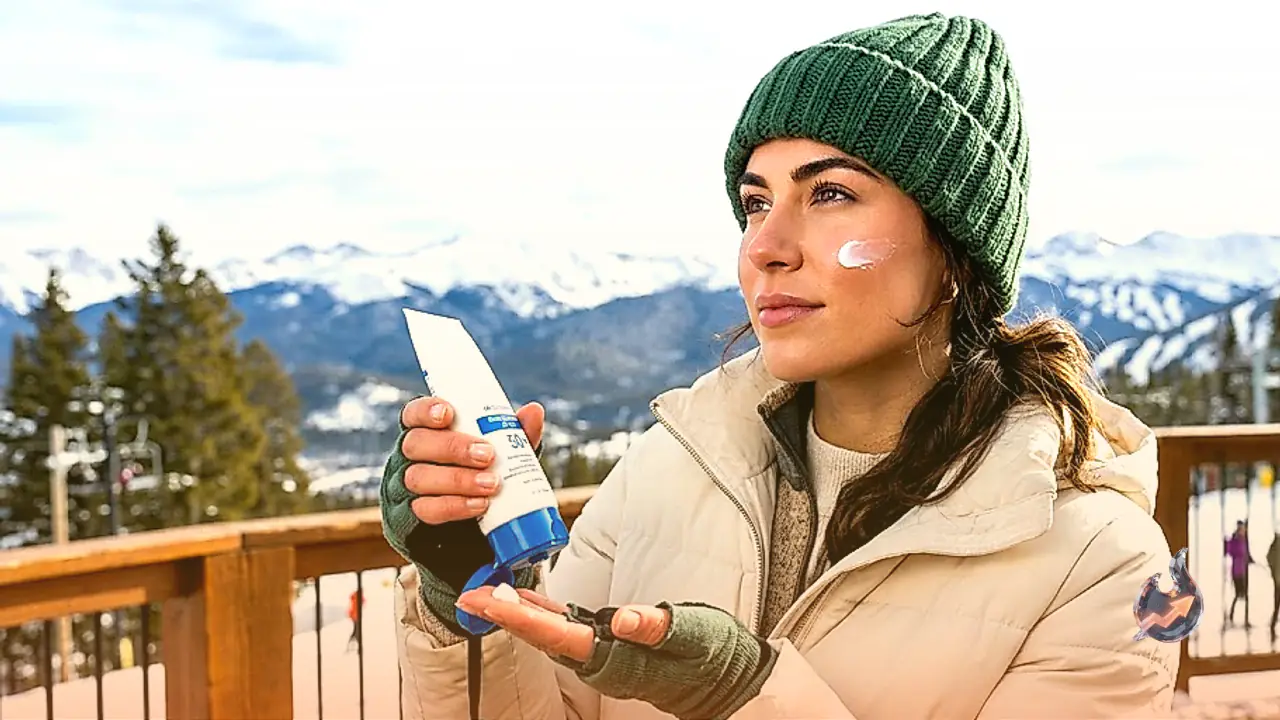



















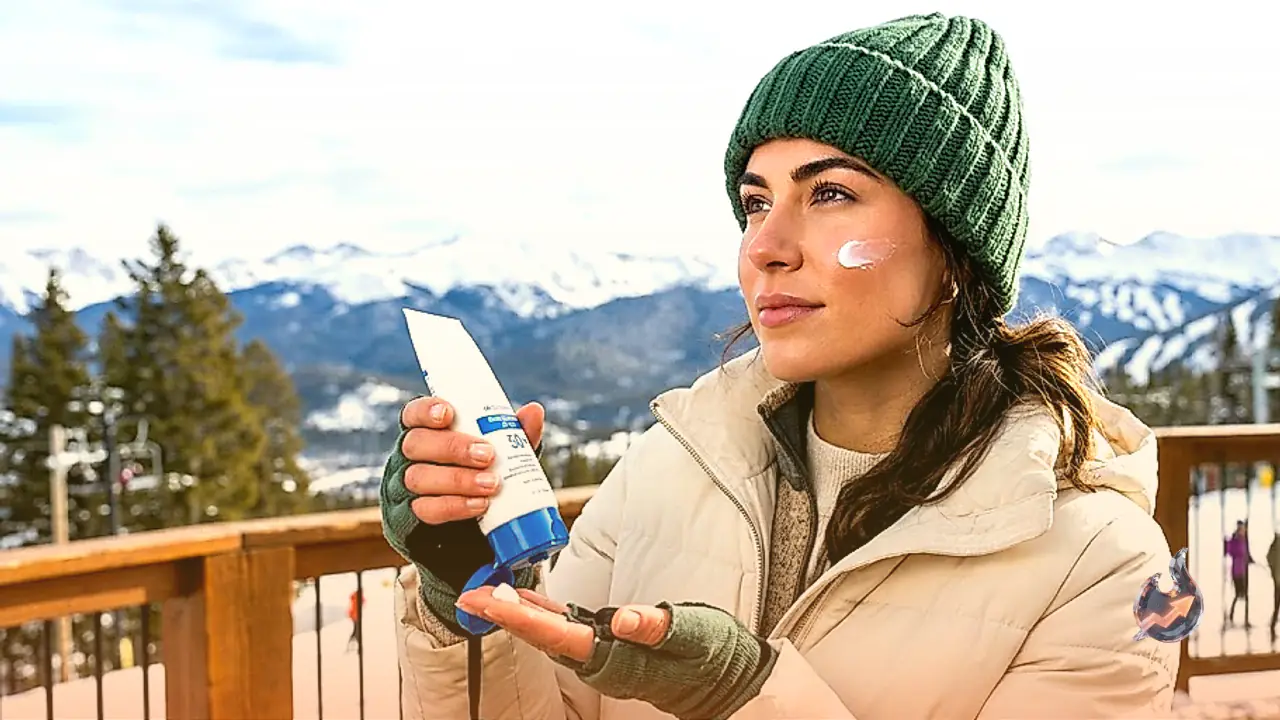

A widespread assumption among many individuals is that sun protection belongs exclusively to the hottest days of summer. Once the cooler months arrive, skin protection routines are frequently abandoned under the mistaken impression that mild weather poses zero danger. However, this common oversight leaves the skin vulnerable. Even when the winter sun feels comforting rather than scorching, ultraviolet rays emanating from the sun continue to hit the earth with significant intensity. For this reason, dermatologists emphasize wearing sunscreen throughout all twelve months of the year. Using sun protection during winter shields skin tissue from premature aging, prevents tanning, and avoids lasting structural damage.
Crucial Reasons Sun Protection Matters in Cold Weather
The absence of intense heat does not imply an absence of harmful radiation. Several underlying dermatological factors explain why sun protection remains vital during the colder season
- Continuous Presence of Ultraviolet Radiation: Sunlight carries both UVA and UVB rays that do not vanish simply because temperatures drop. Overcast skies, dense fog, and frosty winter weather fail to block these invisible rays completely. Without a physical or chemical shield, radiation penetrates deep into the dermal layers where it causes silent cellular injury.
- Preventing Premature Aging and Fine Lines: Basking under the soothing winter sun without adequate defense degrades structural elasticity over extended periods. This continuous unprotected exposure causes fine lines, rough texture, and visible wrinkles to form far earlier than usual. Applying sunscreen counteracts these accelerating aging processes.
- Guarding Against Pigmentation and Unwanted Tanning: Exposure to outdoor light prompts the skin to ramp up melanin synthesis as an automatic defense mechanism. This surge often triggers uneven dark patches, hyperpigmentation, and stubborn tanning across exposed areas. Daily application preserves natural complexion and uniformity.
- Minimizing Skin Cancer Vulnerability: Heavy and unshielded contact with ultraviolet radiation inflicts severe stress on healthy cutaneous cells. Maintaining an everyday barrier against harmful wavelengths directly lowers the incidence of long-term damage and skin cancer risks.
- Heightened Dangers in Snowy and Mountainous Terrain: For anyone residing in or traveling to snowy highlands and mountain destinations, ultraviolet exposure becomes far more dangerous. Fresh snow acts as a powerful reflector, bouncing sunlight back onto the face and dramatically increasing overall ultraviolet absorption.
Selecting the Right Formula and Applying It Correctly in Winter
Because cold air strips away moisture, picking the appropriate sunscreen formulation and practicing good application habits makes all the difference
- Opt for a Minimum of SPF 30: Even during cold months, adequate ultraviolet defense requires using a sunscreen offering at least SPF 30.
- Select Broad-Spectrum Formulations: Always choose broad-spectrum products capable of shielding against both UVA aging rays and UVB burning rays simultaneously.
- Look for Hydrating Ingredients for Dry Skin: Winter weather routinely causes dry, flaky patches, making it preferable to choose a formula infused with moisturizing agents.
- Apply 15 to 20 Minutes Prior to Heading Outdoors: Sunscreen requires time to form an even protective film, so it must be smoothed over the skin roughly 15 to 20 minutes before stepping outside.
- Cover Every Exposed Area Thoroughly: Ensure ample coverage over the entire face, ears, neck, and hands rather than concentrating only on the cheeks and forehead.
- Reapply Every 2 to 3 Hours When Outdoors: When spending extended stretches outside, sunscreen should be reapplied every 2 to 3 hours to maintain its protective efficiency.
- Maintain Daily Use Regardless of Overcast Skies: Sun protection must remain an everyday ritual, extending beyond bright sunny mornings to foggy, misty, and cloudy days alike.