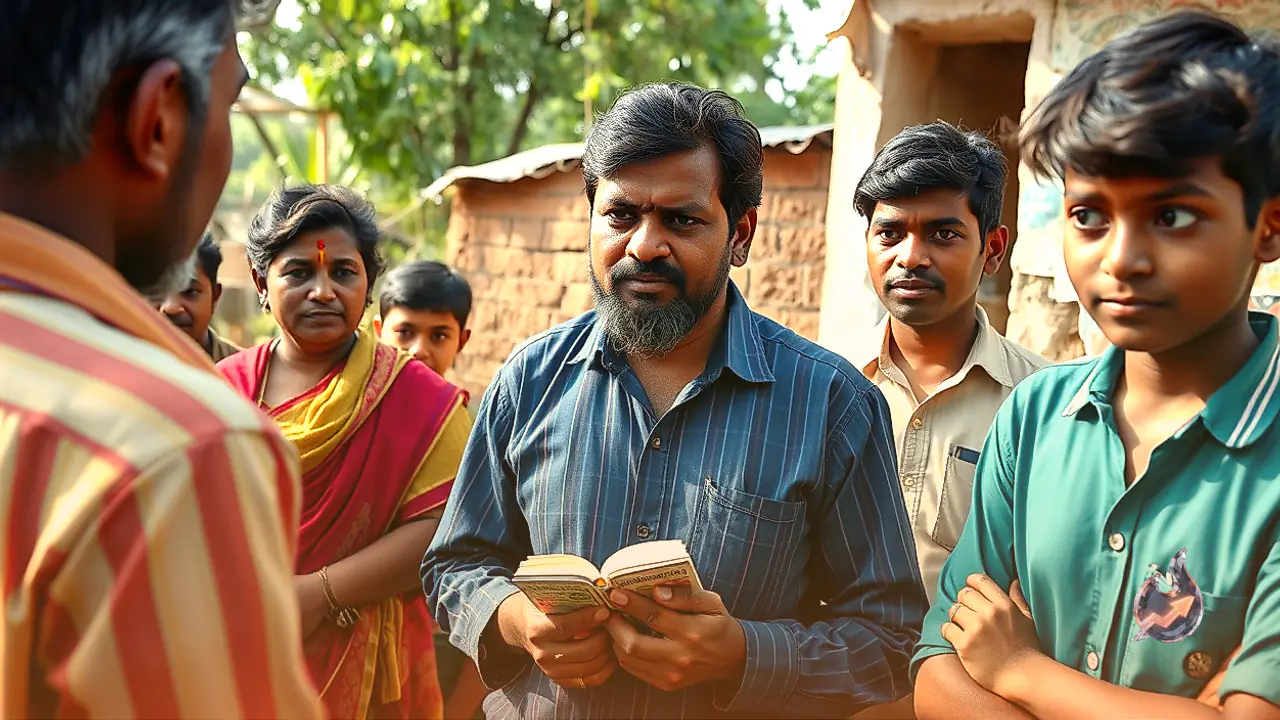

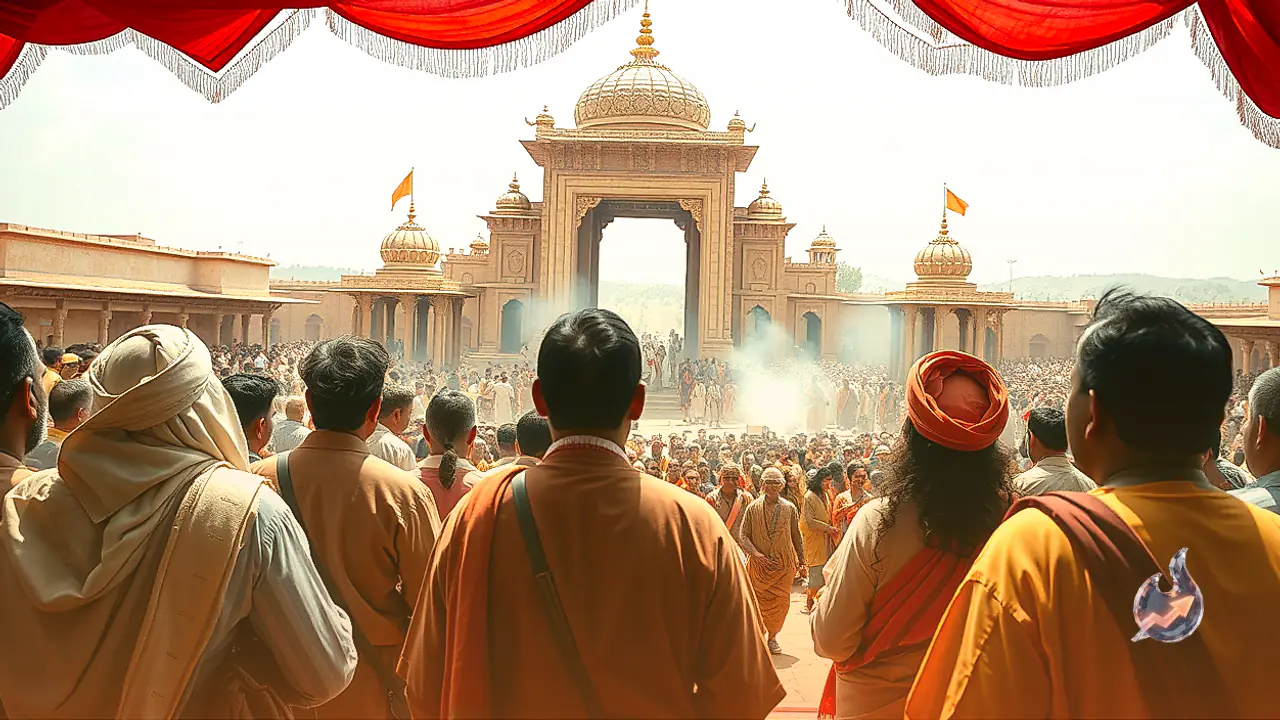

















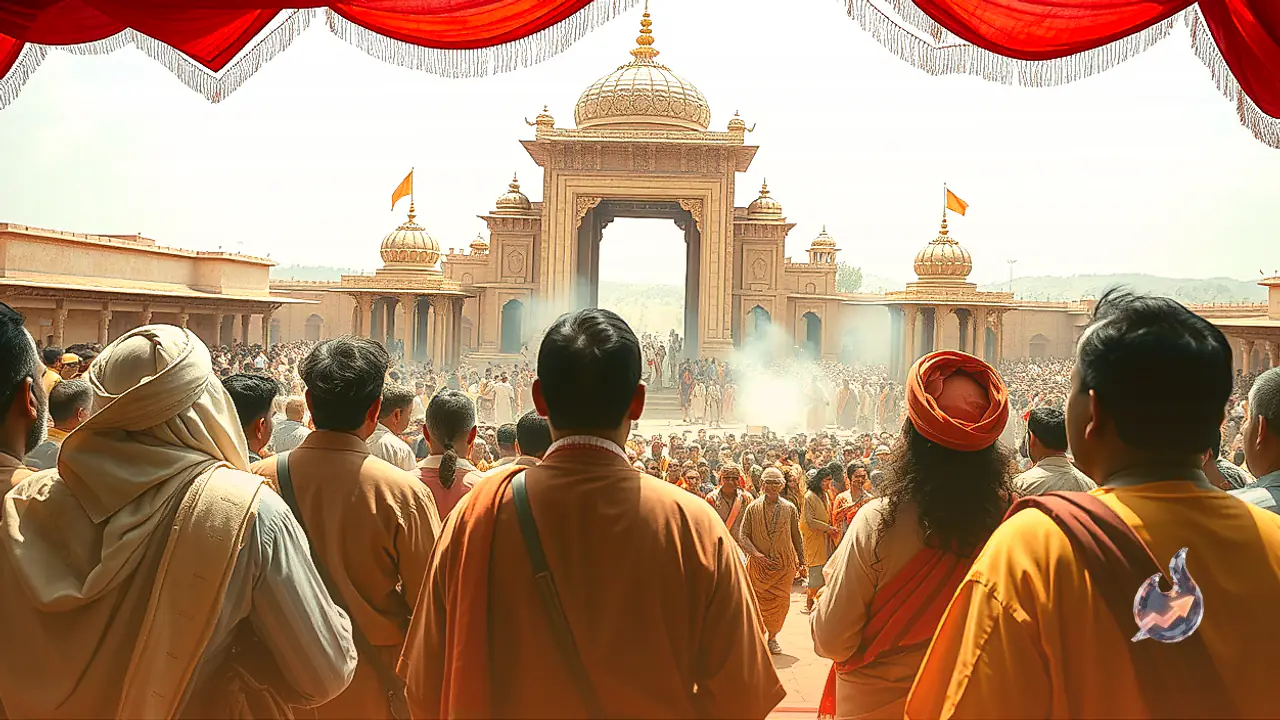

Beginning the morning with calm contemplation and mental clarity often shapes how one approaches daily responsibilities, decisions, and challenges. To build inner balance, many individuals start their early hours with prayer, meditation, or the reading of revered philosophical texts. In this context, reciting the opening verse of the Shrimad Bhagavad Gita serves as an insightful, grounding morning practice. The entire epic dialogue begins with King Dhritarashtra asking his charioteer Sanjaya about the forces assembled on the battlefield of Kurukshetra.
Setting the Scene and Dhritarashtra's Inquiry
At first glance, the question seems like a straightforward inquiry about two opposing armies gathered on a battlefield. However, underneath the surface lies a profound manifestation of attachment, familial infatuation, and the sharp internal division between what is mine and what belongs to others. This opening appears in the very first chapter of the scripture, titled Arjuna Vishada Yoga. Because Dhritarashtra was blind and could not witness the war directly, he relied on Sanjaya, who possessed the ability to narrate the developments unfolding in the battleground.
Dhritarashtra uvacha dharma-kshetre kuru-kshetre samaveta yuyutsavah mamakah pandavashchaiva kim akurvata sanjaya (1)
Word-by-Word Meaning and Underlying Sentiments
Each term in this foundational verse conveys specific details regarding the place, participants, and inner state of the speaker
- Dhritarashtra uvacha: King Dhritarashtra said.
- Dharma-kshetre: In the sacred land of righteousness.
- Kuru-kshetre: At the historical site of Kurukshetra.
- Samaveta: Assembled together in one place.
- Yuyutsavah: Eager and determined to wage war.
- Mamakah: My own sons and faction.
- Pandavashchaiva: And the sons of Pandu as well.
- Kimakurvata: What did they do, or what actions did they take.
- Sanjaya: Sanjaya, the trusted charioteer and narrator.
The simple translation of this inquiry is: Dhritarashtra asked, O Sanjaya, having gathered on the sacred soil of Kurukshetra with a desire to fight, what did my sons and the sons of Pandu do? The crucial element here is Dhritarashtra's linguistic separation. Although both groups belonged to the same lineage, he referred to Duryodhana and his brothers as 'mamakah' (mine), while placing his deceased brother Pandu's children in an external category as 'the sons of Pandu.' Philosophical commentators emphasize that this phrasing demonstrates how intense personal attachment breeds bias and erodes impartiality.
A Simple Routine to Recite the Opening Shloka
Reciting this verse during morning hours does not demand complex rituals or rigid procedures. It can be integrated naturally into personal schedules according to one's comfort and reverence
- Calm and Clean Space: After completing morning hygiene rituals, find a clean, quiet corner free of distractions. Sitting near a domestic prayer altar is completely suitable if preferred.
- Measured and Clear Recitation: Chant or read the Sanskrit words slowly and deliberately. When familiarizing oneself with the meter and sounds, repeating the line two or three times helps improve pronunciation.
- Reflecting on the Meaning: Spend a few quiet moments contemplating the core message of the verse after reading. Consider how personal attachments and biases might cloud individual decision-making in everyday situations.
- Flexible Observance: Lighting an oil lamp or candle is optional and should not be viewed as an inflexible prerequisite. The central objective of approaching the Gita is to grasp its philosophical guidance and translate it into conduct.
Key Practical Benefits of Morning Contemplation
Engaging with the Gita's first verse offers benefits that extend beyond traditional religious observance, supporting self-reflection and disciplined thinking
- Setting a Positive Tone: Setting aside quiet moments at dawn creates a composed framework for the rest of the day, helping people approach responsibilities with greater perspective.
- Cultivating Calmness: Sitting quietly without rush during the recitation fosters mental steadiness, making it a peaceful morning routine, though personal experiences may naturally vary from person to person.
- Recognizing Personal Biases: The clear division Dhritarashtra draws between his sons and Pandu's sons serves as a stark reminder of how possessiveness leads to partiality. Observing this inspires readers to guard against unfair preferences in work and relationships.
- Systematic Foundation for Study: Beginning at verse one provides a structured starting point for moving sequentially through subsequent chapters, making the progressive wisdom of the dialogue far easier to absorb.