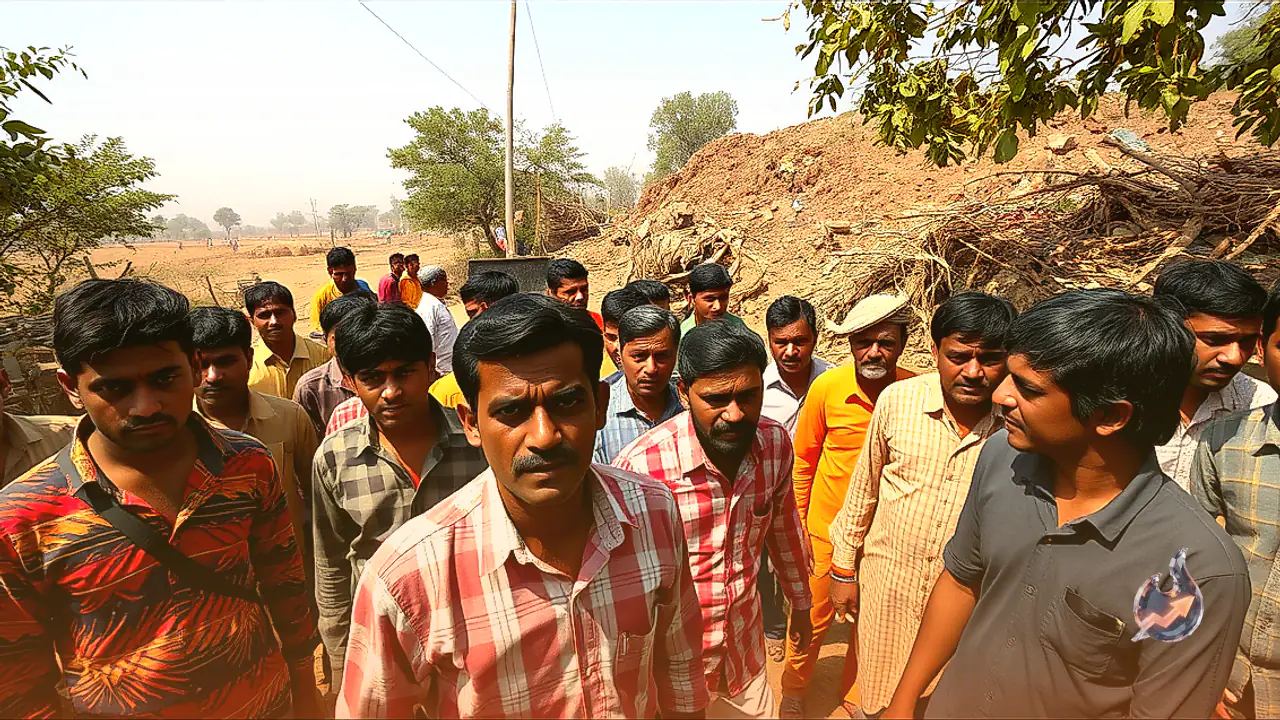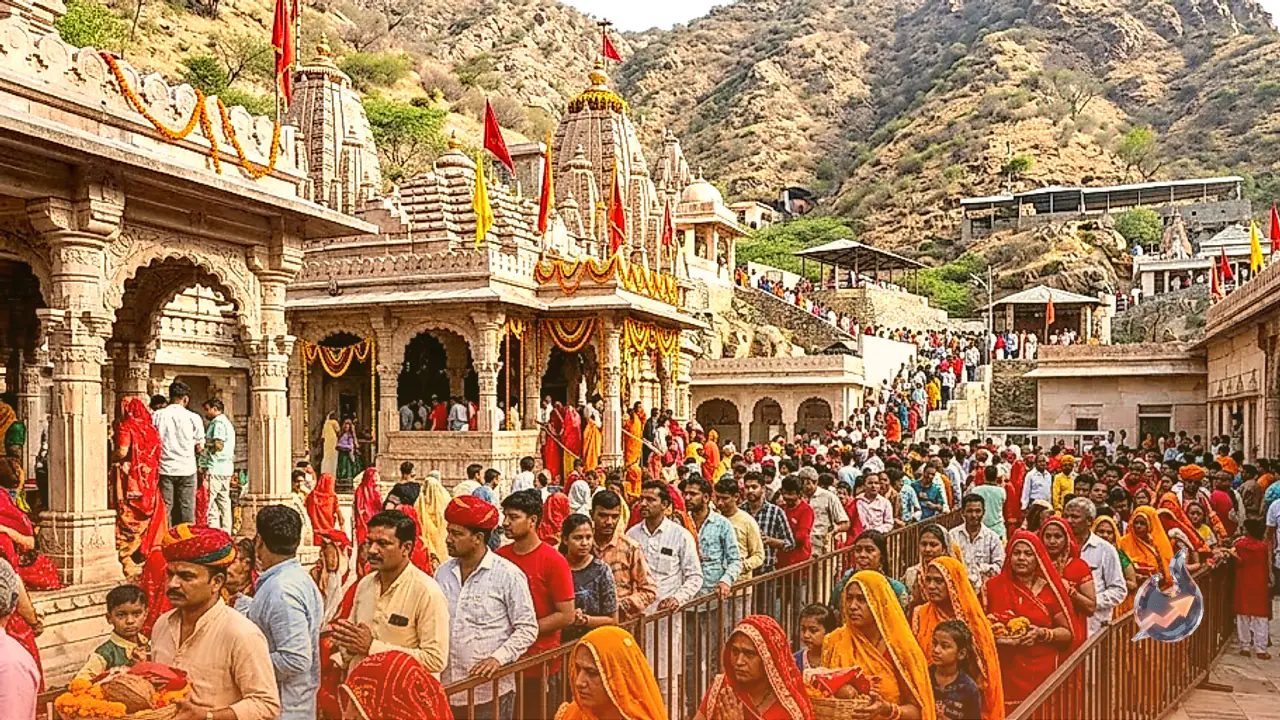

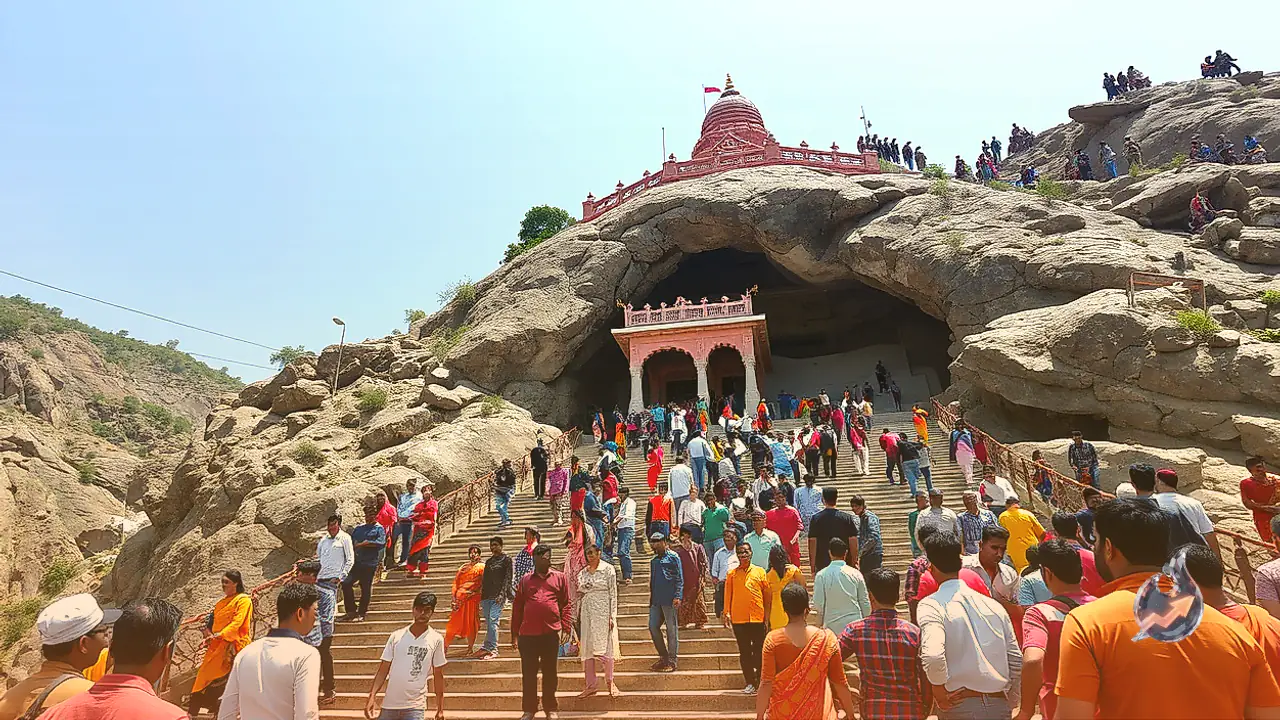





















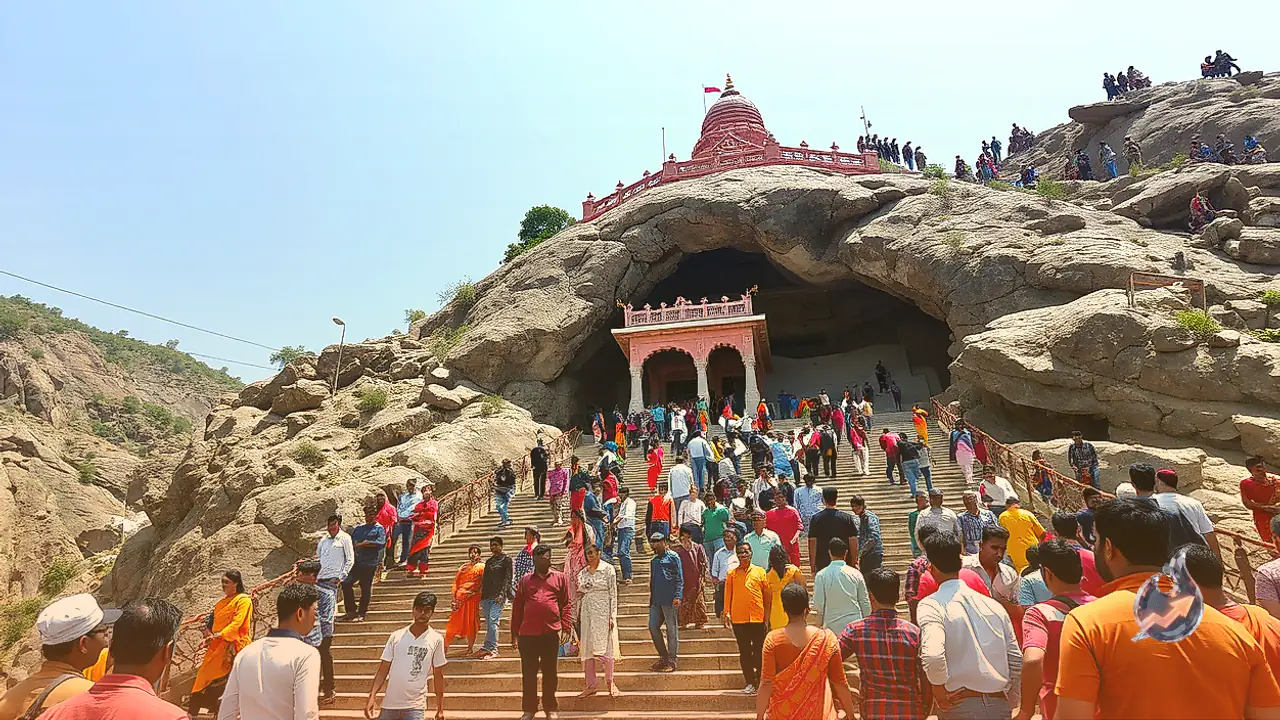

A large gathering of pilgrims is arriving at the renowned Arbuda Devi temple situated in the hill town of Mount Abu in Sirohi district as Navratri celebrations get underway. Widely recognized among local worshippers as Adhar Devi, the holy shrine is often referred to as the Vaishno Devi of Rajasthan due to its mountain setting and the demanding climb required to reach the natural cave where the goddess sits in the form of Katyayani. Throughout the nine days of the festival, the hilltop draws massive crowds, turning the surrounding landscape into a bustling festive fair.
Sacred Origins and the Slaying of Demon Vaskali
According to ancient belief recounted by worshippers, this location is revered as a sacred Shaktipeeth linked to the cosmic dance performed by Lord Shiva while carrying the mortal remains of Sati. Sacred lore holds that Sati's lips, known as adhar, fell on this high ground, giving the shrine its enduring name of Adhar Devi. Local accounts also record that beneath this very hill, Goddess Arbuda Devi brought an end to the tyrannical demon Vaskali, delivering local sages and deities from oppression. The goddess's sacred footprints, or charan paduka, remain preserved on the site, receiving continuous devotion from visiting pilgrims.
A 5,500-Year Tradition Linked to Parmar Rulers
The shrine holds notable prominence in ancient texts, with mentions appearing directly within the Arbud Khand of the Skanda Purana. Traditional accounts trace the origins of this mountain sanctuary back roughly 5,500 years. Historical lore identifies Adhar Devi as the kuldevi, or tutelary family deity, of the Parmar rulers of Mount Abu. Devotee Rahul Kumar notes that the deity is formally venerated here as Katyayani, the sixth manifestation among the Navadurga. Pilgrims undertake long walking journeys during Navratri not only from neighboring parts of Rajasthan but also in substantial numbers from the adjacent state of Gujarat to offer their prayers.
The Ascent of 365 Steps from Nakki Lake
Travelers heading to the shrine must cover a distance of approximately 2 kilometers from Mount Abu's landmark Nakki Lake. From the base, reaching the sanctum requires ascending around 365 stone steps built along the slope of the hill. Strict rules are enforced regarding personal devices; photography and cameras are entirely prohibited within the interior premises, meaning visitors must leave their equipment outside before making their way in.
Navigating the Narrow Cave, Amrit Kund, and Doodh Baori
Accessing the sanctum sanctorum demands physical effort, as visitors must bow down and maneuver through a tight, narrow rock passage cut directly into the mountain cave. Inside, devotees pay homage to the holy footprints of the goddess, alongside the central idol depicting the deity mounted upon a lion. Within the higher temple grounds sits the sacred reservoir named Amrit Kund, which is held in high spiritual esteem because its natural spring continued to yield water even during historic droughts. Further down at the foothill lies another revered water body known as Doodh Baori, celebrated by locals because its water presents a distinctive white, milk-like appearance.