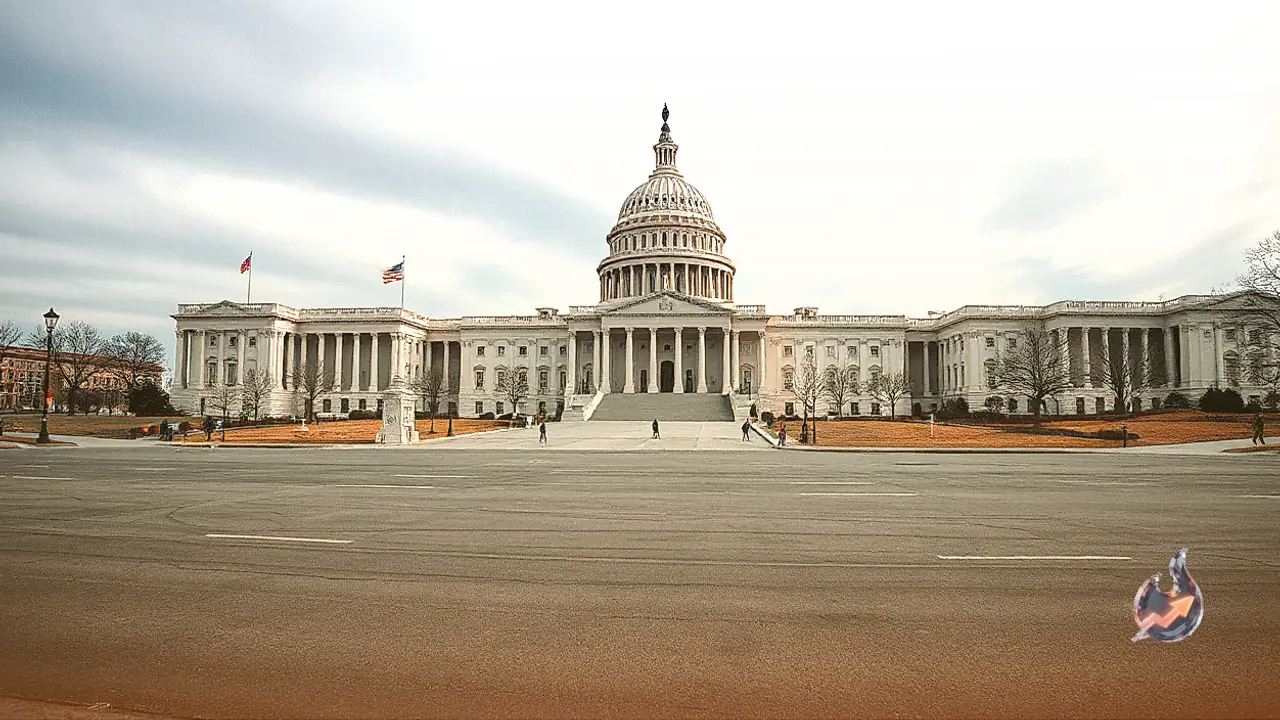
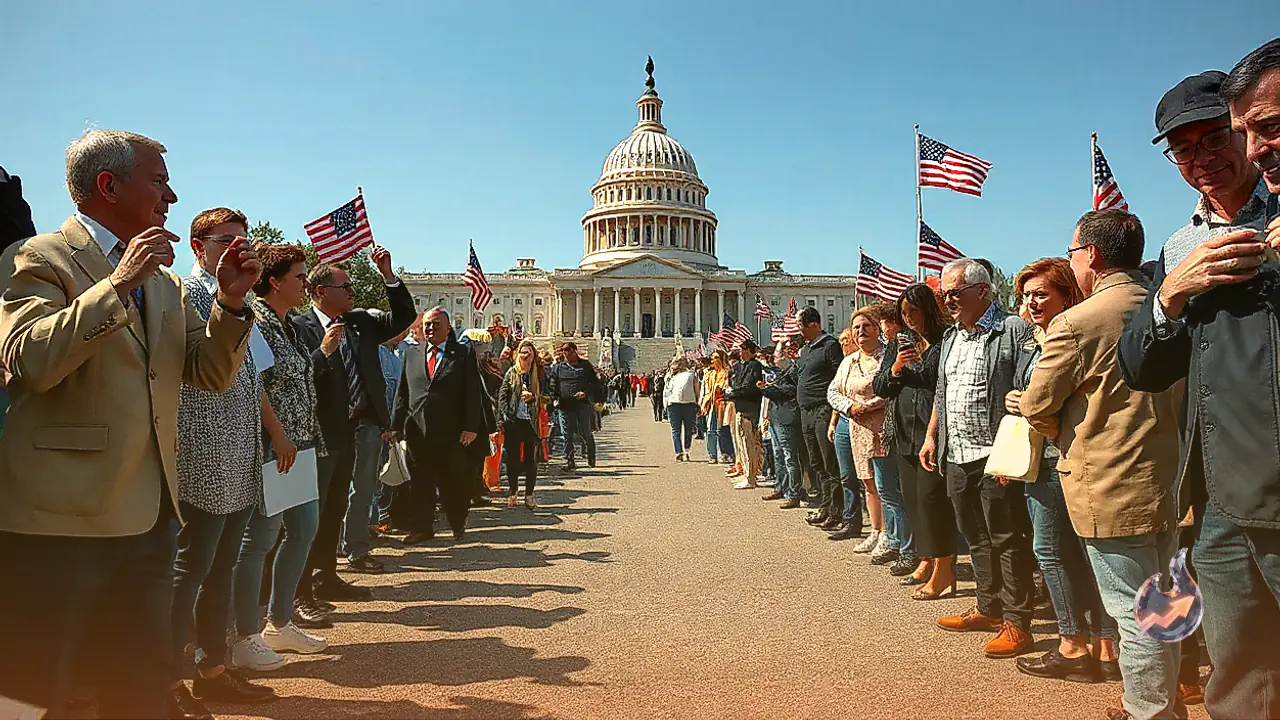



















Public attention across the United States shifted rapidly to online search patterns following the 2026 midterm voting, as ballot outcomes provoked intense curiosity nationwide. Figures compiled on November 4 showed that alongside closely fought congressional contests, unexpected phrases captured widespread public interest. Foremost among these unusual topics were the phrase 'Blue Wave 2026' and inquiries into the exact meaning of the Arabic word 'habibi', both climbing into the ten most frequent digital inquiries.
Alaska Contest and Texas Records Dominate Inquiries
Throughout the twenty-four hour span following the ballot count, the Alaska Senate race generated the highest volume of user lookups nationwide. Closely trailing that inquiry was a widespread historical check on when the Democratic Party had previously captured Texas. Both topics accumulated more than one million lookups each during the period. The complete breakdown of the ten most active queries logged on November 4 featured the following topics
- Alaska Senate Race
- When Was the Last Time Texas Was Blue
- Brandon Gill
- Blue Wave 2026
- Mississippi Election Results
- Resultados de las elecciones de 2026 en Estados Unidos
- Habibi Meaning
- Hinojosa
- Lauren Boebert
- AEK vs Real Madrid
Queries focusing on Brandon Gill and the term 'Blue Wave 2026' each crossed the threshold of one million lookups as well. These elevated counts illustrated the intense focus ordinary citizens directed toward shifting power dynamics across state capitals and federal institutions.
The Surge Behind the 2026 Democratic Advance
Conversations surrounding 'Blue Wave 2026' gained rapid traction when incoming tallies pointed toward Democratic advantages across both chambers of Congress. Democratic candidates gained ground in areas historically considered unassailable strongholds for the Republican establishment. Meaningful gains in South Carolina, Texas, and Kansas prompted fresh debate regarding the trajectory of national party alignments.
Tight margins remained unresolved across several battlegrounds, which kept the public glued to updates. In Mississippi, Democratic challenger Scott Colom and Republican incumbent Cindy Hyde-Smith were locked in a narrow margin. Concurrently, the ballot tabulation for the Senate position in Alaska remained ongoing without an immediate declared victor. Outside the strictly political arena, sports enthusiasts pushed the soccer encounter between AEK and Real Madrid into the top ten entries.
Victory Address and the Viral Habibi Exchange
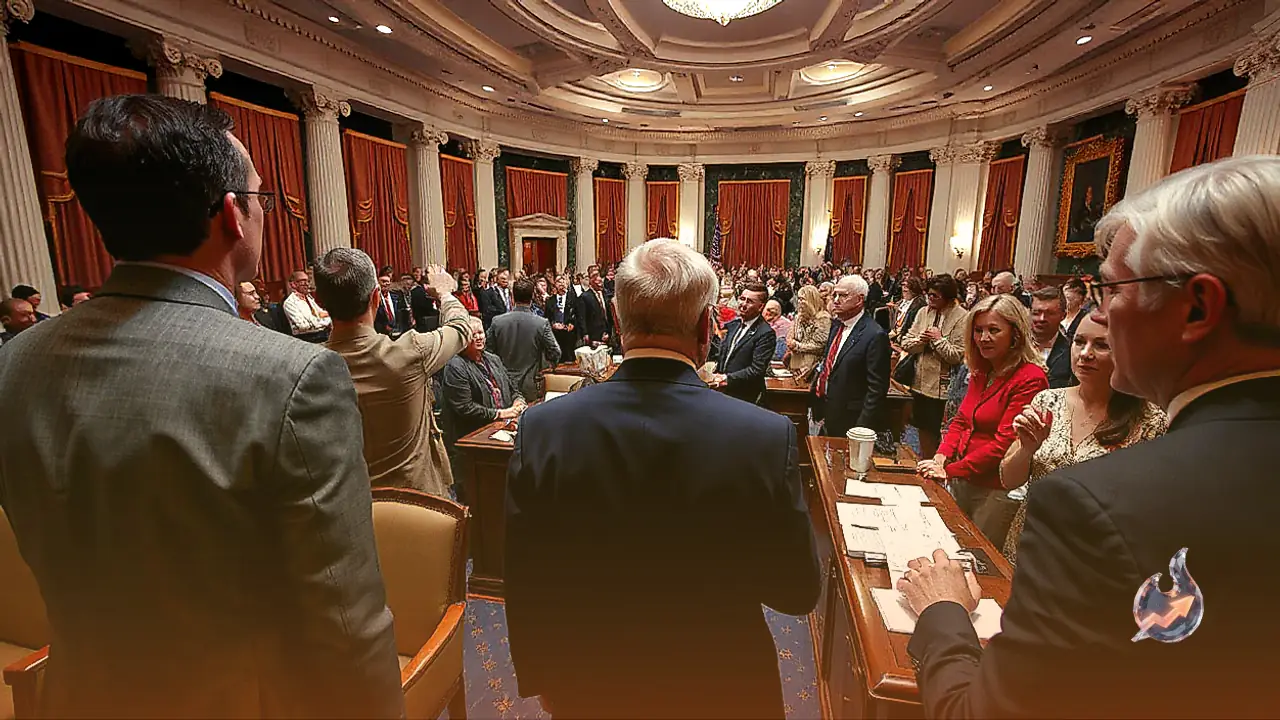
The sudden appearance of an everyday Arabic vocabulary term near the top of nationwide internet queries stemmed from a memorable victory remarks delivered in Michigan. Democratic contender Abdul El-Sayed, who was born in Michigan to Egyptian immigrant parents, secured his seat by defeating Republican candidate Mike Rogers. While celebrating his victory, El-Sayed chose to incorporate a playful remark directed at US Vice President JD Vance.
Addressing the room, El-Sayed noted, "JD, habibi, how weird is that—constitutionally, you're the one who has to swear me in in January." The lighthearted remark immediately rippled across public forums, sending vast numbers of listeners to search engines to decipher the term.
Linguistic Roots and Everyday Meaning of the Word
Habibi functions as a deeply rooted term of affection within the Arabic language. It is commonly deployed among close companions, relatives, or loved ones as an informal sign of fondness and warmth. In regular translation, the phrase equates roughly to 'my beloved', 'my darling', or 'my friend'. The juxtaposition of traditional congressional decorum with this casual cultural idiom made the exchange one of the most widely shared cultural moments of the election cycle.