























Heavy foundation layers and excess powder application are rapidly losing ground to fresh, hydrated, and naturally radiant bases in modern beauty routines. The glass skin approach has gained widespread popularity as part of this shift. Rather than masking the skin under thick cosmetic coverage and erasing its natural texture entirely, this method focuses on delivering deep hydration and an effortless glow so the skin appears revitalized and soft. Real skin naturally has visible pores, and this style is not an attempt to create an artificial pore-less illusion, but rather to enhance what is already there.
When applied without proper technique, cosmetic bases often crack and turn visibly cakey within hours. To maintain a smooth finish that holds up even in close-up lighting, four practical guidelines make all the difference.
Proper Skin Preparation Before Applying Any Base
The foundation of this radiant finish lies in how thoroughly the skin is prepped beforehand. The process should always start with a gentle cleanser to clear away residual impurities and excess oil. Immediately afterward, applying a suitable moisturizer designed for your skin type is essential. According to guidelines from the American Academy of Dermatology, cosmetic products should only be introduced after applying moisturizer and sunscreen in your daily skincare routine. Putting base products directly over dehydrated skin creates patchy spots and accentuates dry patches. Allowing the moisturizer adequate time to sink in ensures an even application surface.
Opting for Sheer and Buildable Coverage Over Thick Layers
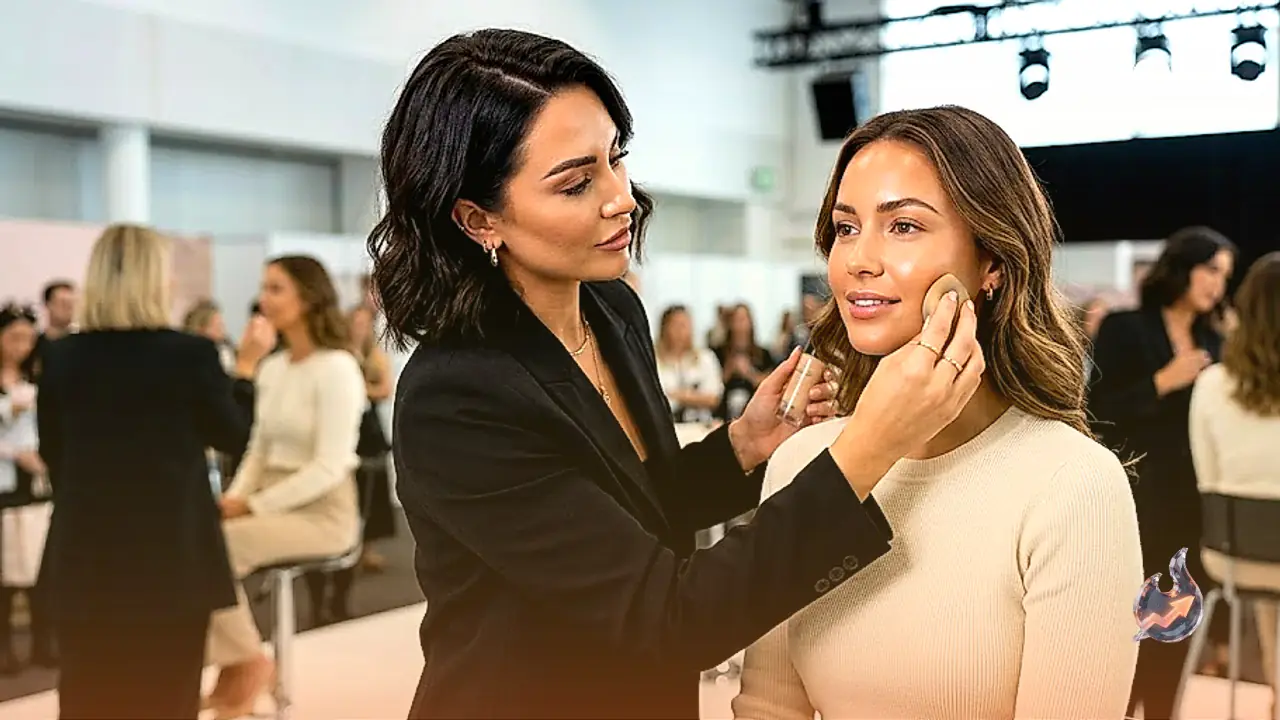
Instead of piling on heavy foundation formulas, reaching for sheer alternatives such as skin tints, BB creams, or ultra-light liquid bases yields a much softer outcome. Guides for this technique consistently suggest relying on a sheer, luminous base. Rather than spreading a generous layer across the entire face at once, dot on a minimal amount and blend outward. Add a secondary touch only on specific zones that require extra spot coverage. This controlled layering keeps the base looking like real skin rather than a mask.
Embracing Cream Textures While Restricting Powder Use
To retain that dewy, supple appeal, cream blushes and liquid highlighters are far more effective than their dry powder counterparts. Dusting powder across the entire complexion strips away natural luminosity and can leave the surface looking flat and chalky. Keep powder application confined strictly to areas prone to excess oil accumulation and creasing, such as around the nostrils and directly beneath the eyes.
Avoiding Excessive Highlighter Application
Creating a glowing impression does not require painting the entire face with shimmering formulas. Overdoing highlighter emphasizes uneven skin texture, pores, and fine bumps. Instead, place subtle touches solely on the high points of the face where light catches naturally, including the upper cheekbones and the bridge of the nose.
Maintaining Clean Application Tools
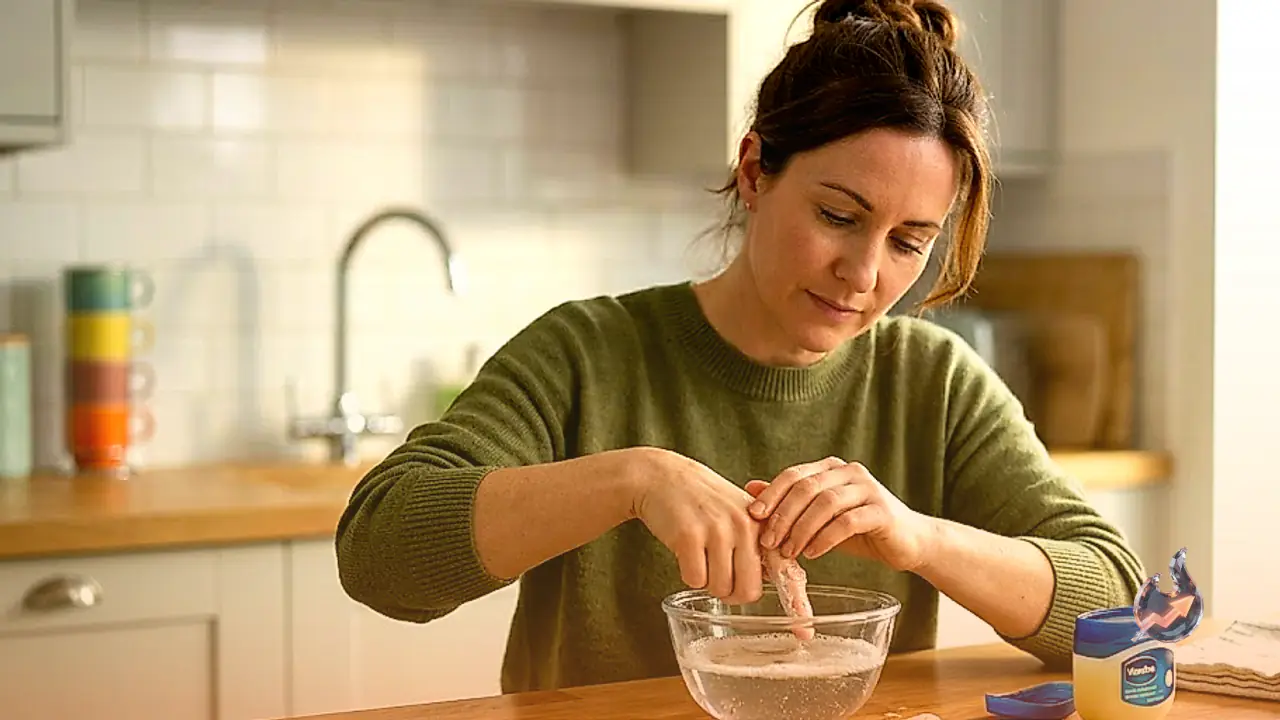
Caring for application sponges and brushes is equally crucial for preserving skin health and cosmetic payoff. The American Academy of Dermatology notes that dirty brushes and blending sponges harbor bacteria, raising the risk of breakouts and skin irritation. Washing makeup sponges after every single use and cleansing brushes on a regular schedule prevents product buildup and keeps the skin barrier protected.