


















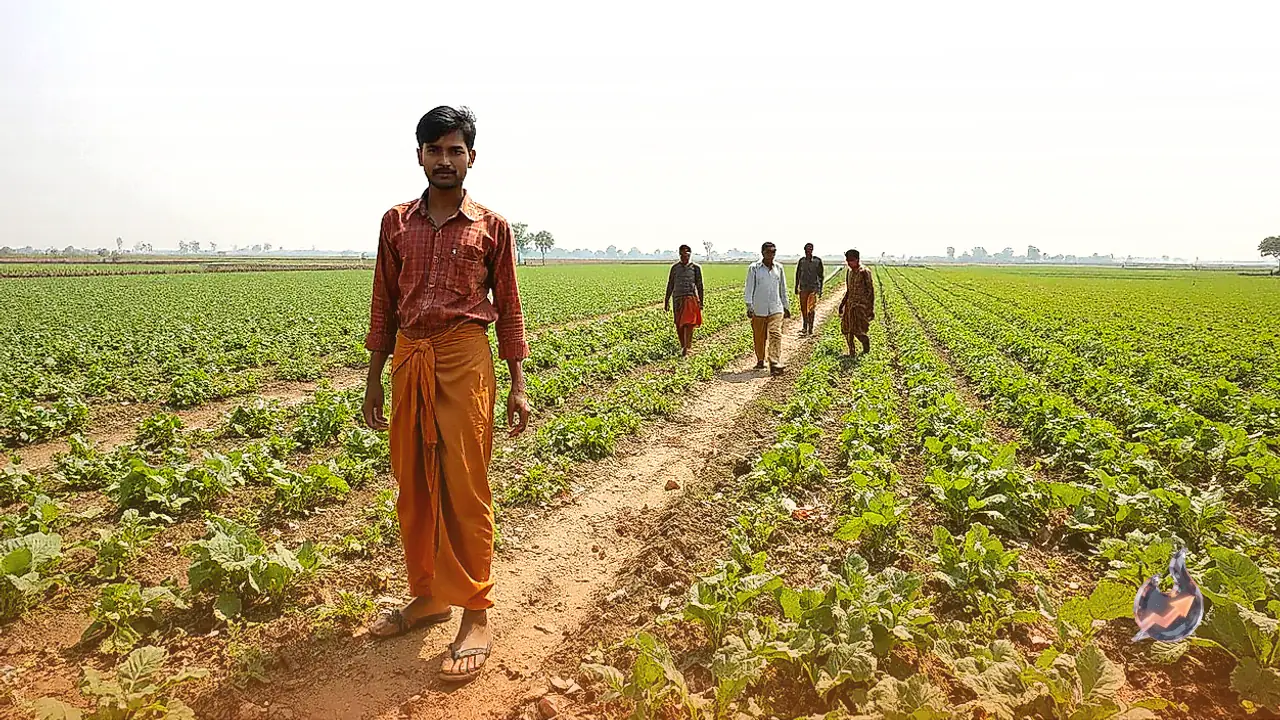

While farming is frequently perceived as a financially volatile occupation vulnerable to market swings, a farmer in Jharkhand's Deoghar district has demonstrated how planned cultivation can turn the occupation into a dependable source of family livelihood. Operating without any industrial-scale equipment or hefty business capital, this grower transformed his ancestral land into a steady commercial enterprise. By planting a diverse basket of seasonal produce across a six-acre plot, he has shown that disciplined agriculture aligned with consumer demand can yield substantial and reliable returns.
Crop Diversification and Market Alignment
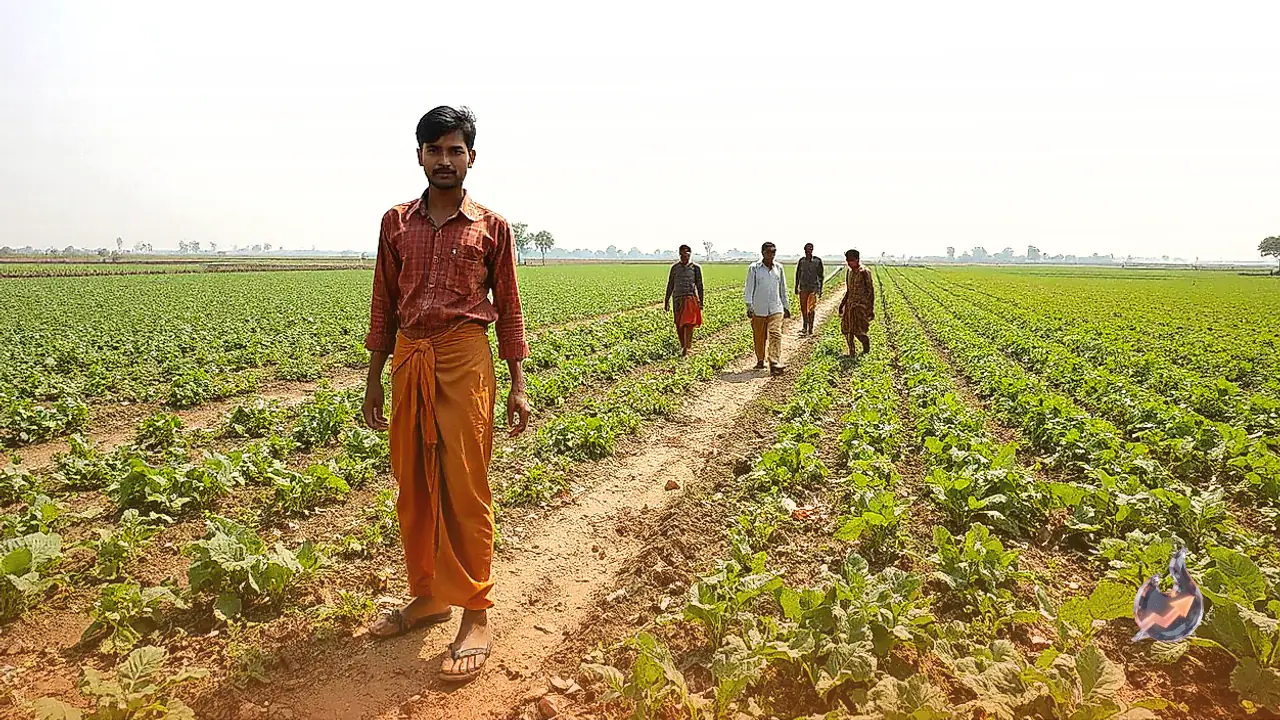
The grower behind this practical success is Ambika Kushwaha, an agriculturalist residing in Gopidih village within the Deoghar administrative block. Managing an operational landholding of approximately 6 acres, he deliberately avoided dedicating the entire area to a single crop. Instead, his acreage hosts six distinct vegetable varieties simultaneously, prominently featuring cauliflower, carrot, coriander, and chilli. His seasonal crop selection is dictated primarily by prevailing regional weather patterns and shifts in wholesale vegetable demand.
This multi-crop design serves as an effective safeguard against agricultural uncertainties. Supplying diverse produce allows the grower continuous market engagement rather than waiting for an isolated harvest window. Furthermore, should market oversupply cause prices for one particular vegetable to drop steeply, the revenue generated from the remaining crops balances the deficit. This distributed risk structure shields the household budget from devastating market fluctuations.
Financial Breakdown: Operating Costs and Revenue
The economic efficiency of Ambika Kushwaha's operation lies in careful budget planning and expenditure control. Preparing the land, managing inputs, and cultivating the entire six-acre expanse requires an estimated production expense of around 2 lakh rupees. In return, the collective harvest yields an aggregate revenue of approximately 04 lakh rupees during the active seasonal window. This financial margin leaves a healthy operational surplus for the household after accounting for upfront expenses.
Agricultural results naturally remain tied to unpredictable factors such as erratic rainfall, groundwater availability for irrigation, fertilizer costs, seed viability, and sudden wholesale price adjustments. Nevertheless, through calculated crop selection, disciplined farm routines, and active expense monitoring, this model has generated sustained income where conventional methods often struggle.
Shared Family Labour and Sustainable Practice
A crucial factor behind the viability of this six-acre vegetable initiative is the direct participation of the entire family unit. The household depends completely on agriculture for its sustenance, leading every member to shoulder specific duties across the production cycle. From ground preparation and soil conditioning to seed sowing, crop hydration, weeding, and timely vegetable harvesting, family members handle the essential chores themselves.
This reliance on collective family effort significantly controls operational expenditure by curtailing paid outside labour costs, while ensuring meticulous care for each plant bed. Ambika Kushwaha maintains that when cultivators observe wholesale consumer trends and abandon single-crop dependence, reasonable financial independence remains entirely achievable even within modest capital boundaries.