




















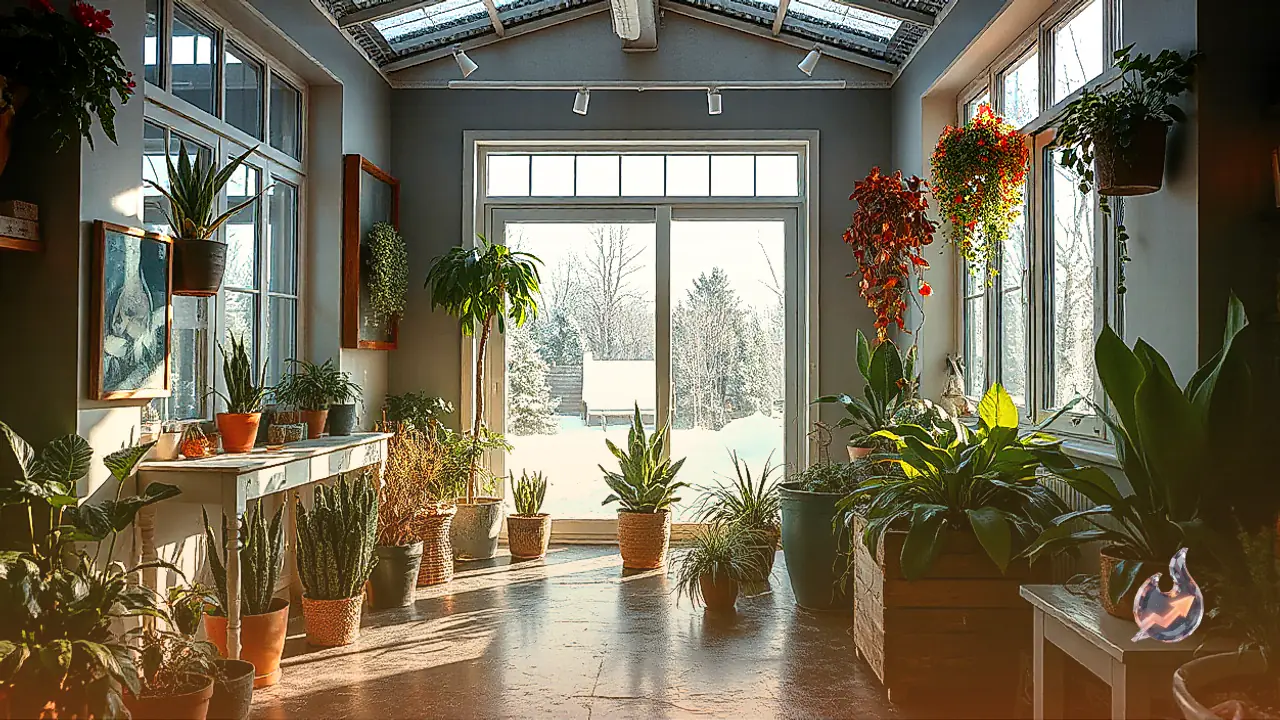

When cold weather sets in, the care requirements for indoor greenery shift significantly compared to warmer months. Natural daylight hours decrease, and the overall ambient chill causes potting soil to dry out at a much slower rate. Following an unchanged watering schedule can quickly overwhelm root systems with excess moisture. At the same time, placing pots directly beside drafty window panes to capture scarce sunlight exposes foliage to sharp temperature drops that can cause severe stress.
Refining the Watering Schedule
Common indoor varieties like Money Plant, Snake Plant, and Peace Lily require a modified approach throughout the colder season. Rather than watering according to a fixed calendar routine, it is essential to inspect soil dampness manually before adding moisture. Water should only be applied when the top layer of potting mix feels completely dry to the touch. Ensuring that excess moisture drains away freely from the container is vital, as persistent dampness suffocates roots and accelerates fungal decay.
Balancing Indirect Sunlight and Cold Drafts
Indoor varieties perform best when placed in spots that receive steady, bright indirect sunlight. While placing pots close to glass window panes helps maximize available illumination during shorter winter days, cold outdoor air leaking through frames poses a real hazard. Pots positioned near windows should be pulled back slightly into the room to buffer them against sudden chills and steady cross-drafts.
Gently Wiping Foliage
Indoor living spaces often accumulate dust, which gradually settles over plant foliage. A layer of grime acts as a barrier, diminishing the amount of light that leaves can absorb for photosynthesis. Broad-leaf varieties benefit from periodic wipe-downs using a soft, lightly dampened cloth. Care should be taken to stroke the leaves gently without rubbing or pulling, protecting tender plant tissue from physical damage.
Pausing Frequent Fertilization
Plant growth naturally decelerates during the cooler months as many indoor species enter a semi-dormant resting phase. Feeding them heavy fertilizer doses as if it were peak summer disrupts this natural cycle. Any plant feed should be offered sparingly and only after assessing the specific variety and visible vigor of the specimen. Supplying unnecessary chemical or organic nutrients to an already stressed plant can scorch delicate root structures.
Maintaining Stable Ambient Temperatures
Protecting house foliage from drafty exterior doors, unheated corridors, and direct exposure to chilly currents is crucial. Plants react poorly to sharp shifts between cold drafts and artificial indoor heat sources, thriving best in a steady, moderate room climate. Furthermore, not every houseplant shares identical tolerances. While a Snake Plant thrives with minimal soil moisture, certain other varieties deplete root hydration faster. Tailoring care to the individual species, pot dimensions, and specific room conditions ensures optimal winter survival.